









What's Happening?
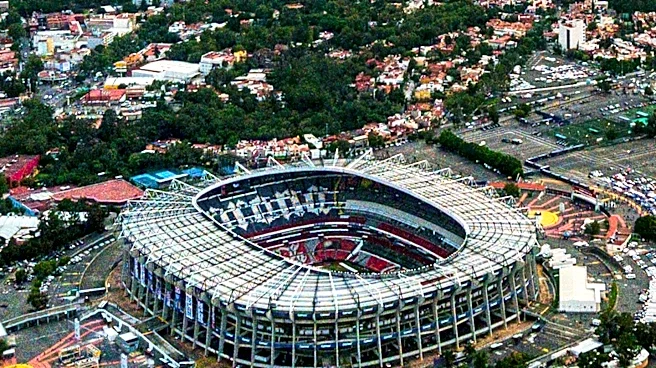
As the 2026 World Cup draws to a close, residents of Mexico, Canada, and the United States reflect on their experiences as hosts. This tournament, the largest in history with 48 teams and 104 matches, has been held across 16 cities in these three countries.
The event has sparked discussions about its success, the mood in host cities, and the potential long-term legacy it may leave. Organizers and fans alike are considering whether the World Cup met expectations and how it might have altered perceptions of soccer in North America.
Why It's Important?
Hosting the World Cup is a significant event for any country, offering opportunities for economic boost, international exposure, and cultural exchange. For the U.S., Mexico, and Canada, this tournament has been a chance to showcase their capabilities as hosts on a global stage. The event's success could influence future bids for international sporting events and impact tourism and local economies. Additionally, the World Cup may have contributed to changing perceptions of soccer in North America, potentially increasing its popularity and investment in the sport.
What's Next?
As the tournament concludes, stakeholders will likely assess its impact on infrastructure, tourism, and the local economy. There may be discussions on how to leverage the World Cup's success to promote soccer further in North America. Future sporting events could be influenced by the lessons learned from hosting such a large-scale tournament. Additionally, the legacy of the World Cup may be evaluated in terms of its cultural and social impact on the host countries.