







What's Happening?
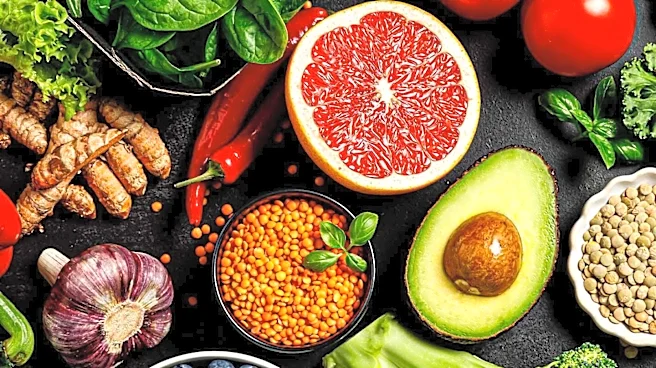
A recent analysis highlights six top fiber-rich foods crucial for improving digestive health and overall well-being. These foods include avocados, chia seeds, black beans, bulgur wheat, raspberries, and green peas. According to dietitians like Gabrielle
Palmeri, M.D.N., RD, and Lauren Manaker, M.S., RDN, LD, these items provide both soluble and insoluble fiber, which are essential for slowing digestion, regulating blood sugar, lowering LDL cholesterol, and promoting regular bowel movements. The recommended daily fiber intake is approximately 25 grams for women and 38 grams for men under 50. Beyond fiber, these foods also offer additional nutrients such as plant-based protein, vitamins, and minerals, contributing to a comprehensive nutritional profile.
Why It's Important?
The emphasis on increasing fiber intake addresses a significant public health concern, as most Americans do not consume enough fiber. Insufficient fiber can lead to various health issues, including digestive problems, unstable blood sugar levels, and increased risk of chronic diseases. By identifying specific, accessible, and versatile fiber-rich foods, the information empowers individuals to make informed dietary choices that can positively impact their health. This is particularly important for industries focused on health and wellness, as it provides clear guidance for product development and consumer education. The inclusion of budget-friendly options like frozen peas and canned beans also ensures that healthy eating recommendations are practical for a wider demographic.
What's Next?
Public health campaigns and nutritional guidelines are likely to continue emphasizing the importance of fiber and promoting the consumption of these identified foods. Food manufacturers may respond by developing more fiber-fortified products or highlighting the natural fiber content of their existing offerings. Educational initiatives in schools and communities could focus on practical ways to incorporate these foods into daily meals. Additionally, research may further explore the specific health benefits of different types of fiber and the optimal combinations of fiber-rich foods for various health outcomes, potentially leading to more personalized dietary recommendations.
Beyond the Headlines
This focus on fiber-rich foods underscores a broader trend towards whole-food nutrition and preventative health. It highlights the interconnectedness of diet with various bodily functions, from gut health to cardiovascular well-being. The discussion also subtly promotes sustainable eating practices by featuring plant-based foods, which often have a lower environmental footprint than animal products. Culturally, it encourages a return to basic, unprocessed ingredients, potentially shifting consumer preferences away from highly processed foods. The practical advice on incorporating these foods into everyday meals also addresses the common barrier of perceived complexity in healthy eating, making it more achievable for the general public.