

What's Happening?
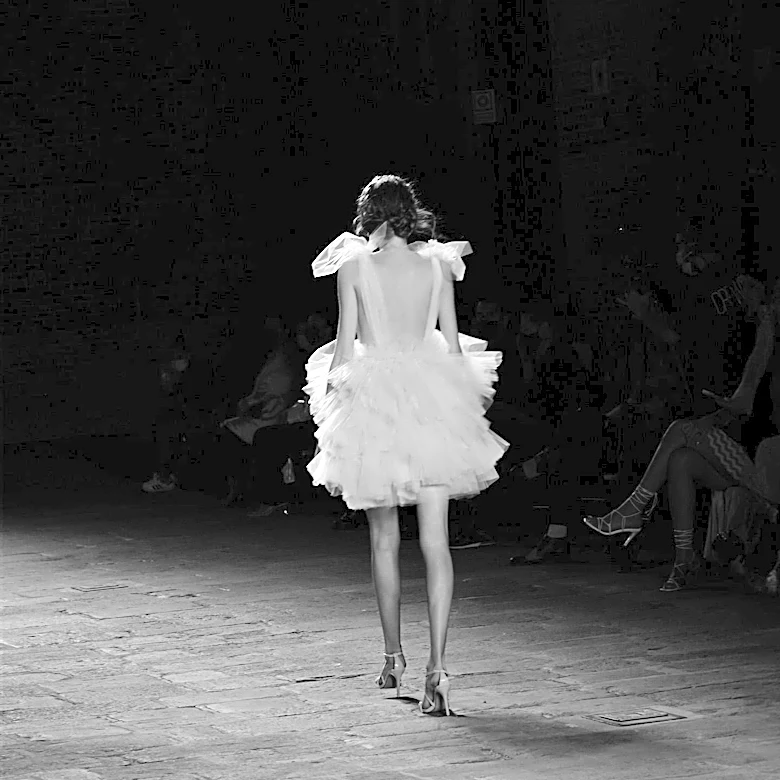
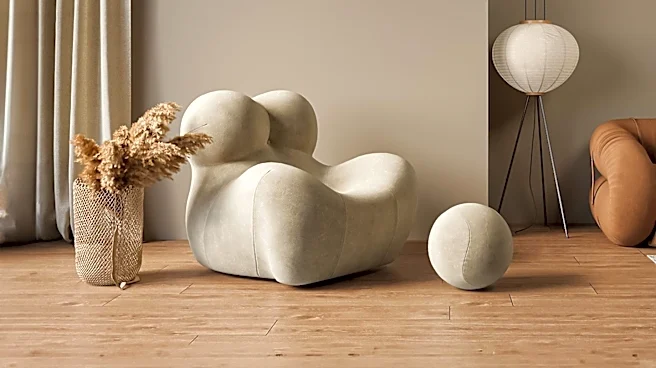
Major fashion brands, including Prada, Hermès, Fendi, Giorgio Armani, Bottega Veneta, Ralph Lauren, and Alaïa, are increasingly incorporating furniture pieces and home objects into their runway installations and collections. This trend blurs the lines
between fashion and interior design, with some brands creating custom seating for their shows that later become available for purchase, and others designing clothing that can function as home décor. For instance, Georgian-Azerbaijani designer Galib Gassanoff of Institution has shown models wrapped in patterned carpets, aiming for garments to have a second life as collectible art for the home. Similarly, Ellen Hodakova Larsson's Hodakova collection featured chairs transformed into dresses and rugs worn as attire. This integration highlights a shift towards viewing fashion items as long-term investments, akin to furniture, rather than disposable seasonal wear. The movement also involves collaborations with furniture and design brands, such as Bottega Veneta's partnerships with Max Lamb and Cassina for runway seating that later appeared in design installations.
Why It's Important?
This trend signifies a notable evolution in the fashion and design industries, impacting consumer perceptions of value and longevity in products. By merging fashion with furniture, brands are challenging the traditional fast-fashion model and promoting a more sustainable approach where items are seen as investments rather than temporary trends. This could lead to a greater emphasis on craftsmanship, durability, and multi-functional design in both clothing and home goods. For consumers, it offers opportunities to acquire unique, collectible pieces that transcend typical seasonal wear, potentially fostering a deeper connection to their purchases. Economically, this convergence could open new revenue streams for fashion houses through home décor lines and collaborations, while also elevating the status of furniture design within the luxury market. It also encourages cross-industry innovation, pushing designers to think beyond conventional product categories and explore new artistic expressions.
What's Next?
The integration of fashion and furniture is likely to continue expanding, with more brands exploring hybrid collections and collaborative projects. We can anticipate an increase in fashion shows featuring bespoke furniture installations, and a greater availability of designer home objects directly from fashion houses. This trend may also influence interior design, leading to more fashion-forward home aesthetics and a demand for pieces that reflect current runway trends. Furthermore, the emphasis on longevity and collectibility could drive innovation in material science and manufacturing processes, as designers seek to create durable and versatile items. Consumers might see more opportunities to invest in high-quality, multi-purpose pieces that serve both sartorial and decorative functions, potentially reshaping purchasing habits towards more considered and sustainable choices. The distinction between fashion and home goods could become increasingly fluid, fostering a more holistic approach to lifestyle design.
Beyond the Headlines
This convergence of fashion and furniture reflects deeper cultural shifts towards sustainability, conscious consumption, and the blurring of boundaries between different aspects of lifestyle. It challenges the notion of fashion as purely ephemeral and disposable, instead positioning it as a form of art and investment that can endure across generations. Ethically, this movement encourages a more responsible approach to production and consumption, potentially reducing waste by promoting items with extended lifespans and multiple uses. Culturally, it signifies a desire for greater personalization and artistic expression within the home environment, treating living spaces as extensions of personal style. This trend also highlights the increasing value placed on artisanal craftsmanship and unique design, moving away from mass-produced uniformity. The long-term implication could be a redefinition of luxury, where value is derived not just from brand prestige, but from the intrinsic quality, versatility, and enduring appeal of an item, whether it's a garment or a piece of furniture.