




What's Happening?
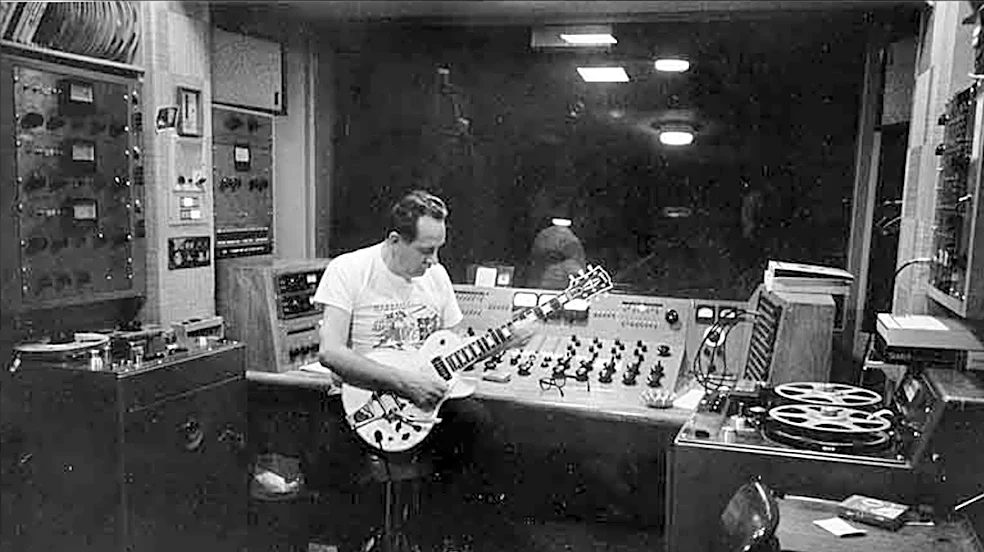
Danny Hutton, the last original member of Three Dog Night, was interviewed by Rolling Stone, discussing the band's studio practices and their significant success in the 1970s. Hutton emphasized that Three Dog Night rarely used outside musicians in the studio,
preferring to rely on their own band members, whom he described as highly skilled. He stated, 'We never used outside musicians. We'd have a guest maybe play an instrument, but that was our band on every song.' Hutton also reflected on the band's ability to perform diverse musical styles, asserting, 'Technically, whether you liked it or not, we could sing anything, play anything.' He noted the band's impressive record of 21 Top 40 hits, despite often receiving limited critical recognition from publications like Rolling Stone, with the 1971 'Harmony' album being a rare exception.
Why It's Important?
This interview provides valuable insight into the operational philosophy of a highly successful American rock band from the 1970s. Hutton's comments highlight a distinct approach to music production, where internal talent was prioritized over session musicians, a practice that contributed to the band's unique sound and identity. In an era where many bands utilized extensive studio support, Three Dog Night's self-reliance underscores their musical integrity and the cohesion of their lineup. The discussion also sheds light on the often-complex relationship between commercial success and critical acclaim, as Three Dog Night achieved massive popularity with numerous hits but felt undervalued by critics. This dynamic is a recurring theme in music history, affecting how artists are perceived and remembered, and Hutton's perspective offers a direct account of this experience.
What's Next?
The interview, part of Rolling Stone's 'Last Man Standing' series, suggests an ongoing effort to document the legacies of iconic bands through the perspectives of their surviving members. For Three Dog Night, this could lead to renewed interest in their discography and potentially inspire new generations of musicians to explore their work. Hutton's continued involvement with the band, even with a new lineup, indicates a commitment to keeping their music alive. While no specific future projects are mentioned beyond his ongoing touring, such interviews often precede or coincide with re-releases, documentaries, or other retrospective projects that aim to preserve and celebrate a band's history. The focus on their studio practices might also encourage a re-evaluation of their musical contributions.
Beyond the Headlines
Beyond the immediate details of Three Dog Night's studio methods, Hutton's reflections touch upon broader themes of artistic control, authenticity, and the subjective nature of critical judgment in the music industry. His assertion that the band 'could sing anything, play anything' speaks to a level of musical craftsmanship that transcended genre boundaries, a quality that might have been misunderstood by critics seeking a more defined artistic identity. The interview also subtly addresses the challenge of maintaining a band's legacy when original members depart or pass away, and the responsibility that falls upon the remaining members to carry the torch. This narrative offers a human element to the history of rock music, illustrating the personal struggles and triumphs behind the hits and the enduring passion required to sustain a career over decades.