



What's Happening?
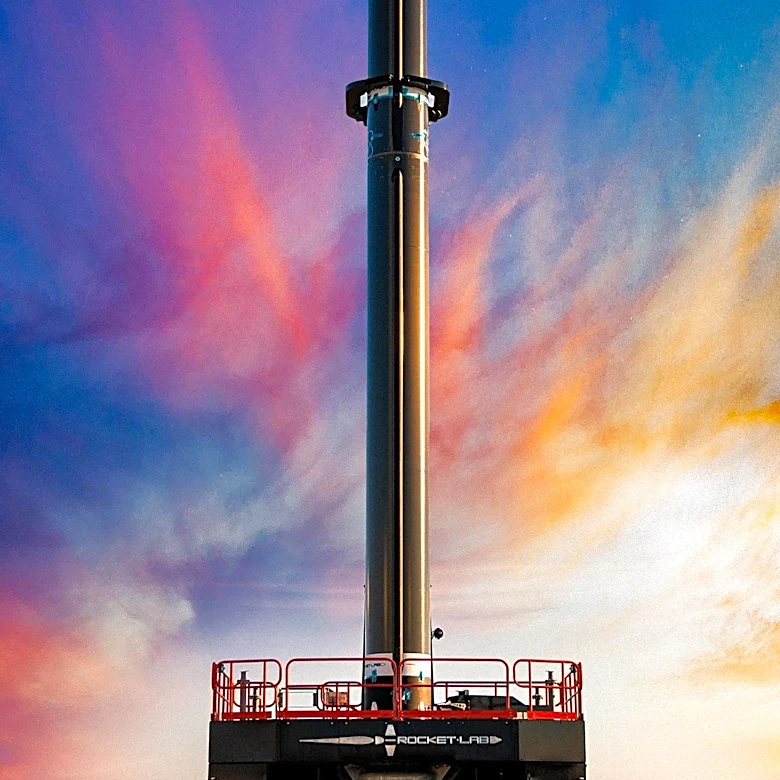
Rocket Lab, a launch and spacecraft company, announced on June 29 its intention to acquire Iridium, a satellite communications company, for approximately $8 billion. The deal, valued at $54 per share, comprises $27 in cash and Rocket Lab stock. Iridium stockholders
approved the acquisition on September 24 with 99.6% of votes cast. The companies anticipate closing the transaction by mid-2027, pending regulatory approvals. This merger is part of a broader trend where satellite companies are increasingly seeking to own their launch capabilities, driven by tightening launch capacity and a desire to eliminate third-party launch costs. Rocket Lab's founder and CEO, Sir Peter Beck, stated that the acquisition aims to combine Iridium's established global network and operational experience with Rocket Lab's launch and space systems expertise, guaranteeing orbital access for Iridium's constellation.
Why It's Important?
This acquisition signifies a major strategic shift within the U.S. space industry, highlighting a growing trend of vertical integration among satellite operators and launch providers. For Rocket Lab, acquiring Iridium eliminates third-party launch costs and secures guaranteed access to space, a critical advantage as launch capacity becomes increasingly constrained. For Iridium, it ensures the long-term deployment and replenishment of its satellite constellation, vital for its L-band spectrum services and 2.7 million subscribers. This consolidation could lead to greater efficiency, reduced operational risks, and enhanced competitiveness for the combined entity in the global satellite communications market. It also reflects a broader industry response to recent launch failures and bottlenecks, suggesting that companies are prioritizing control over their entire space value chain to mitigate supply chain vulnerabilities and ensure mission success.
What's Next?
The acquisition is expected to close by mid-2027, contingent on securing necessary regulatory approvals. This period will involve detailed reviews by various regulatory bodies, including those in the United States, to ensure compliance with antitrust and other relevant laws. Once approved, the integration of Rocket Lab's launch capabilities with Iridium's satellite operations will commence, focusing on streamlining processes and realizing the anticipated synergies. The combined company will likely prioritize the development and launch of Iridium's next-generation satellites using Rocket Lab's launch vehicles, including the still-in-development Neutron rocket. This merger could also prompt other satellite operators to explore similar vertical integration strategies, potentially reshaping the competitive landscape of the U.S. and global space sectors.
Beyond the Headlines
The Rocket Lab-Iridium merger, alongside other similar moves in the space industry, points to a fundamental re-evaluation of the 'launch as a service' model. The increasing difficulty in securing reliable and timely launch slots, exacerbated by recent failures and the narrowing availability from major providers like SpaceX, is pushing well-capitalized operators to internalize launch capabilities. This trend could create a significant barrier to entry for smaller satellite startups that lack the resources to build or acquire their own launch systems, potentially leading to a more consolidated and less diverse space ecosystem. The long-term implications include a potential shift in innovation dynamics, where companies with integrated capabilities might dominate, while those reliant on external launch services face increased uncertainty and higher costs. This development underscores the strategic importance of launch independence in the evolving space economy.