







What's Happening?
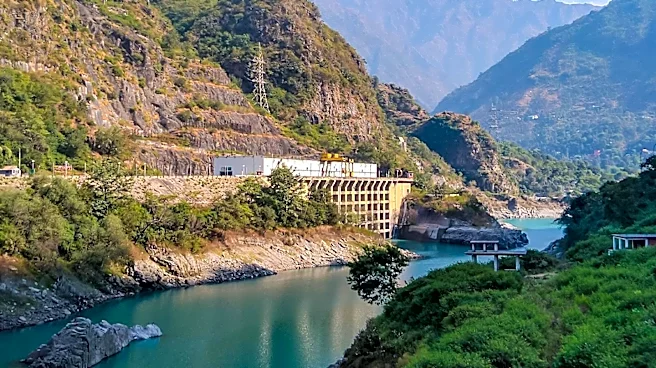
Hull Street Energy, a Maryland private equity firm, has acquired FirstLight's U.S. hydropower fleet, with the sale closing on November 2. This acquisition includes the 1,168-megawatt Northfield Mountain pumped-storage power plant in Massachusetts. Notably,
the Northfield Mountain plant has been operating on year-to-year federal permits since its original license expired on April 30, 2018. Under the Federal Power Act, if a new license is not ready when the old one ends, the Federal Energy Regulatory Commission (FERC) issues a one-year license on the old terms, which then automatically renews. The plant's operator, FirstLight, applied for a new license on April 29, 2016, two years before the expiration. FERC's staff released its final environmental statement on January 30, 2026, recommending relicensing for both Northfield and the nearby Turners Falls hydro plant. The delay in relicensing is primarily due to environmental concerns related to the Connecticut River, including shoreline erosion, water level fluctuations, fish passage, and protected species. The plant functions as a large-scale battery, pumping water uphill during low power demand and releasing it to generate electricity during peak demand.
Why It's Important?
The acquisition by Hull Street Energy signifies a continued investment in renewable energy infrastructure within the U.S., particularly in the critical New England region. The Northfield Mountain plant plays a vital role in grid stability, providing essential services like fast ramping and black start capability, which are crucial for restarting a grid after a blackout. Its ability to store energy by pumping water during off-peak hours and generating during peak demand helps balance the power supply and demand, contributing to energy security and potentially lowering electricity costs for consumers. The ongoing operation of a major power plant on automatically renewed annual licenses highlights a regulatory challenge within FERC, where environmental reviews and stakeholder appeals can significantly prolong the relicensing process. This situation underscores the tension between maintaining essential energy infrastructure and addressing environmental impacts, particularly concerning aquatic life and water quality in the Connecticut River. The sale also transfers the responsibility for navigating these complex regulatory and environmental issues to the new owner, Hull Street Energy.
What's Next?
The Northfield Mountain plant's current annual license is set to run through April 30, 2027, and will continue to renew automatically until FERC issues a new license. The relicensing process is expected to continue, with the final environmental statement from FERC recommending relicensing for both Northfield and Turners Falls. However, the process is complicated by unresolved appeals against Massachusetts' 401 certification for water quality, filed by groups including the Franklin Regional Council of Governments, the Connecticut River Conservancy, and American Rivers. These appeals could further delay the issuance of a new long-term license. Hull Street Energy will need to address the environmental concerns raised, such as implementing measures to protect fish from entrainment and potentially modifying reservoir operations. The outcome of these environmental and regulatory negotiations will determine the long-term operational parameters and environmental mitigation requirements for the Northfield Mountain plant under its new ownership.
Beyond the Headlines
The prolonged relicensing of the Northfield Mountain plant, extending over eight years with annual renewals, illustrates a broader systemic issue within U.S. energy regulation. It highlights the challenges of balancing the need for reliable energy infrastructure with increasingly stringent environmental protection standards and public participation in regulatory processes. The case also brings to light the economic model of pumped-storage hydropower, which, despite consuming more power than it generates on paper, is highly profitable due to its ability to arbitrage electricity prices by storing cheap off-peak power and selling expensive peak power. This economic viability, coupled with its grid stabilization benefits, underscores its strategic importance. The significant public opposition, with nearly half of FERC comments opposing relicensing, reflects growing environmental consciousness and community engagement in energy projects, potentially setting precedents for future hydropower projects and their environmental impact assessments across the nation.