

What's Happening?
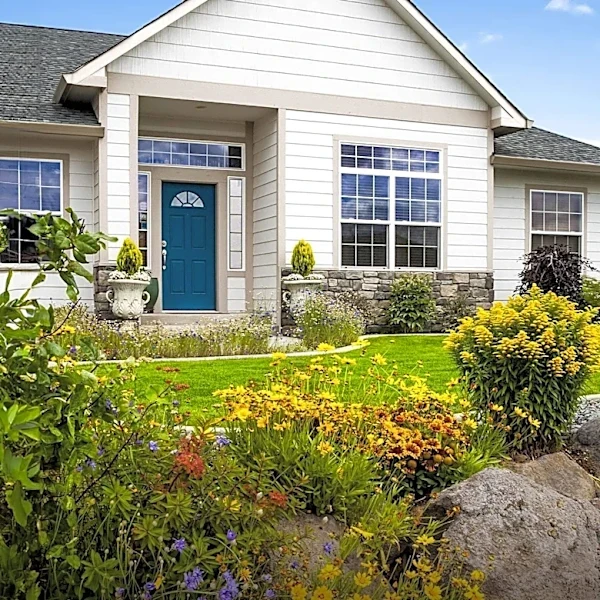
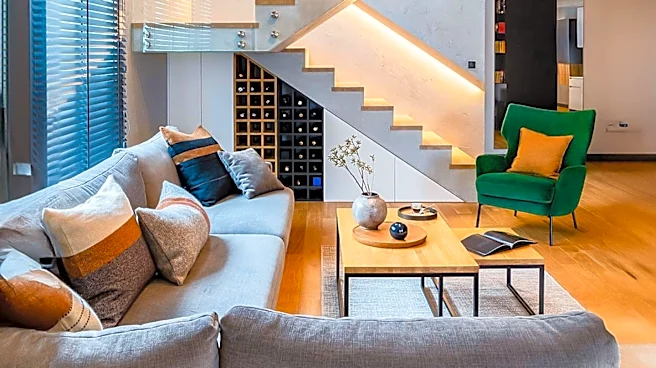
The modern farmhouse aesthetic is undergoing a significant transformation, moving away from the stark white walls and heavy rustic typography prevalent in 2016. The current trend, dubbed 'New Rustic' or 'Modern Cottage,' emphasizes tactile layering, warm
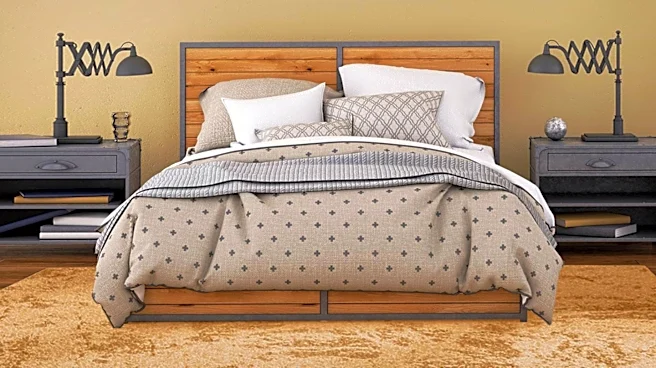
earthy tones, and a curated mix of heritage pieces with contemporary designs. This shift is evident in architectural details, color palettes, furniture choices, lighting, and textile selections. For instance, vertical shiplap is replacing horizontal applications to create a more contemporary feel, and limewash paint is being used for organic, plaster-like walls. Furniture is moving towards a collected, rather than matched, look, with a focus on pieces like minimalist iron canopy beds or upholstered linen frames, often paired with mismatched vintage nightstands. Lighting is also evolving, with oversized woven pendant lights and wall-mounted brass sconces gaining popularity over exposed Edison bulbs.
Why It's Important?
This evolution in modern farmhouse design reflects broader shifts in consumer preferences within the U.S. home decor and construction industries. The move towards more personalized, tactile, and sustainable aesthetics indicates a growing demand for homes that feel authentic and lived-in, rather than mass-produced. This trend impacts manufacturers of building materials, furniture, and home accessories, encouraging them to innovate with natural textures, earthy color palettes, and vintage-inspired designs. For real estate developers and interior designers, understanding this shift is crucial for meeting client expectations and staying competitive in a market that increasingly values unique, curated spaces. The emphasis on 'New Rustic' also suggests a desire for comfort and warmth, potentially influencing how new homes are marketed and designed across various price points.
What's Next?
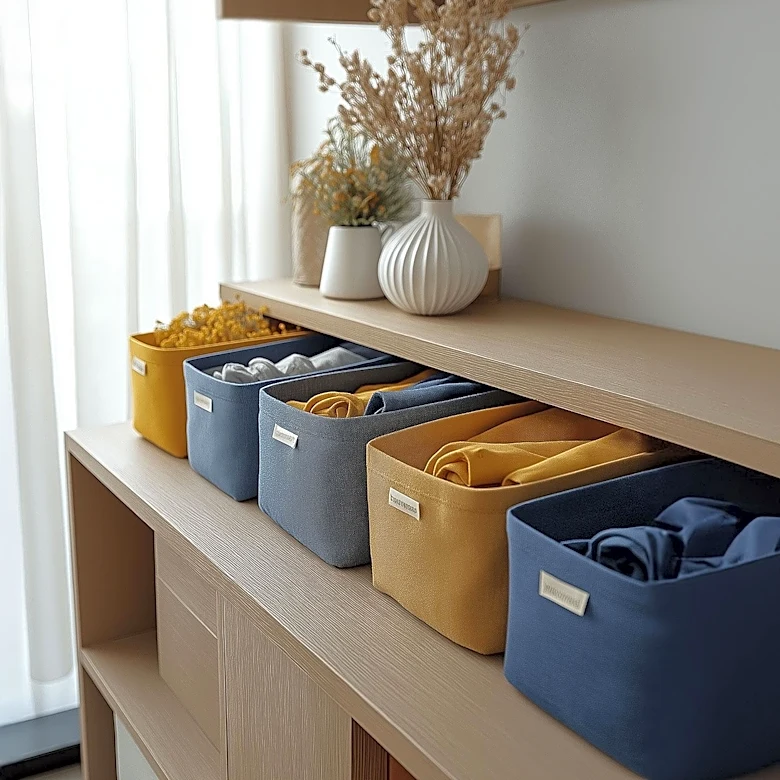
The 'New Rustic' aesthetic is expected to continue influencing home design and product development. Consumers will likely see more offerings in natural wood tones, muted green and terracotta accents, and textured fabrics like linen, wool, and alpaca. Manufacturers may invest in producing more authentic-looking reclaimed materials or high-quality faux alternatives for architectural elements. Retailers will likely curate collections that encourage mixing and matching furniture styles, moving away from traditional bedroom sets. The focus on creating 'serene sanctuaries' suggests a continued demand for design elements that promote well-being and a connection to nature, which could lead to further integration of biophilic design principles in residential spaces. DIY enthusiasts will also find more resources and products tailored to achieving these updated farmhouse looks.
Beyond the Headlines
Beyond the immediate aesthetic changes, this design evolution points to a deeper cultural shift towards valuing authenticity and individuality in personal spaces. The rejection of 'mass-produced, distressed aesthetic' signifies a move away from transient trends towards more timeless and sustainable design choices. This could have long-term implications for consumption patterns, encouraging investment in higher-quality, durable goods and a greater appreciation for craftsmanship. The emphasis on 'tactile layering' and 'warm earthy tones' also reflects a desire for comfort and emotional connection in an increasingly digital world. This trend might also foster a greater appreciation for local artisans and vintage markets, as consumers seek unique, character-filled pieces to personalize their homes, potentially boosting local economies and reducing reliance on large-scale manufacturing.