








What's Happening?
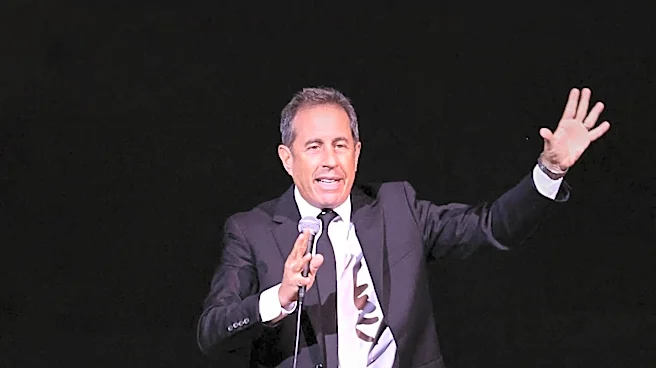
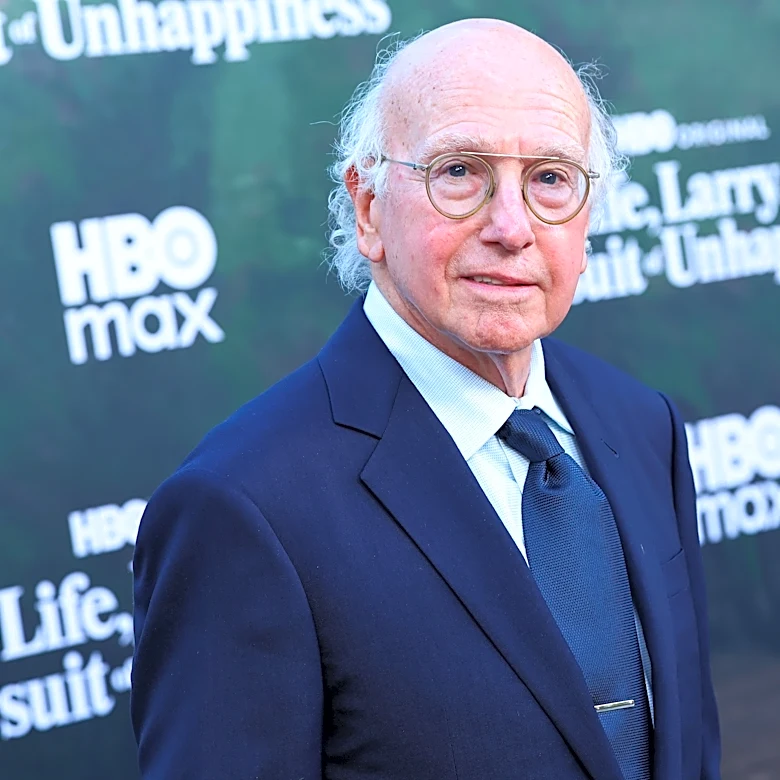
Larry David, co-creator of the iconic sitcom 'Seinfeld,' found the production of the show to be 'torturous,' according to his biographer, Blake J. Harris. Harris's biography, 'Emperor of Nothing: The Making of Larry David,' details the immense pressure
David placed on himself to consistently generate high-quality ideas for the series. Before the start of Season 5, David reportedly stated he would 'rather spend a year in prison than do another season of Seinfeld.' This sentiment highlights the significant anxiety and stress David experienced, driven by his pursuit of perfection for every episode. Despite the show's critical and commercial success, running for nine seasons and earning numerous awards, David's internal struggles with creative demands were a constant theme throughout its run. Jerry Seinfeld, the show's other co-creator, often played a crucial role in mitigating David's anxiety, encouraging him to focus on one episode at a time rather than the daunting prospect of an entire season.
Why It's Important?
This revelation offers a deeper understanding of the creative process behind one of television's most influential comedies and the personal toll it took on one of its primary architects. It underscores the often-unseen pressures faced by highly successful creators in the entertainment industry, where the demand for sustained excellence can lead to significant personal strain. For fans and aspiring writers, it provides insight into the dedication and perfectionism required to produce groundbreaking content, even if it comes at a high personal cost. The dynamic between Larry David's perfectionism and Jerry Seinfeld's more optimistic approach also illustrates how complementary creative partnerships can function, with one partner's strengths balancing the other's challenges. This narrative contributes to the broader discourse on mental health in high-pressure professions and the psychological impact of creative endeavors.
What's Next?
While 'Seinfeld' concluded its run decades ago, the ongoing interest in its creation and the personalities behind it suggests that discussions about Larry David's creative process and anxieties will continue. The biography by Blake J. Harris is likely to fuel further analysis and appreciation of David's work, both on 'Seinfeld' and his subsequent projects like 'Curb Your Enthusiasm.' This insight may also influence how future television productions approach creative demands and the well-being of their showrunners. For David himself, who has continued to work in television, these revelations might offer a context for understanding his career choices and creative output. The enduring legacy of 'Seinfeld' ensures that any new information about its development remains relevant to television history and cultural studies.
Beyond the Headlines
The story of Larry David's 'torture' during 'Seinfeld' production extends beyond a mere anecdote, touching upon the broader psychological aspects of creative genius. It highlights the paradox where immense talent and a relentless pursuit of perfection can lead to significant personal suffering. This narrative challenges the romanticized view of artistic creation, revealing the often-gritty reality of sustained creative output under pressure. It also raises questions about the sustainability of such high-intensity creative environments and the potential for burnout. The contrast between David's internal struggle and the show's outward success serves as a powerful reminder that external achievements do not always correlate with internal well-being. This perspective can inform discussions about supporting creative professionals and fostering healthier production environments in the entertainment industry.