


What's Happening?
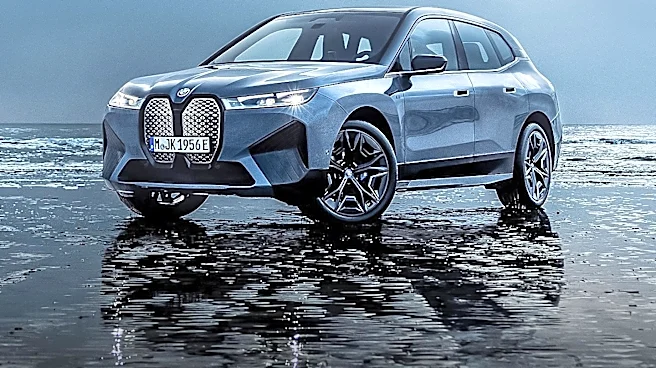
BMW has officially inaugurated its new high-voltage battery assembly plant in Woodruff, South Carolina. This facility has commenced series production of BMW's sixth-generation (Gen6) batteries, which are slated to power the all-electric BMW iX5 and other
future electric models manufactured at the nearby Spartanburg plant. The Woodruff plant is a key component of BMW's $1.7 billion investment in electric mobility within the Spartanburg area, aimed at expanding electric vehicle production in the United States. The plant, located approximately 15 miles from the Spartanburg vehicle manufacturing facility, is designed to strengthen BMW's local battery and vehicle production network. It represents a significant step towards BMW's objective of assembling at least six fully electric models at Plant Spartanburg by 2030. The facility incorporates advanced technologies such as AI assistants and robots to monitor production data and maintain high manufacturing standards. Additionally, the plant emphasizes environmental sustainability, operating without fossil fuels during normal operations and utilizing hydrogen-powered industrial trucks. The Gen6 batteries themselves are designed with a lower carbon footprint, incorporating secondary materials and produced using renewable energy.
Why It's Important?
The opening of BMW's Woodruff battery plant is a pivotal development for the U.S. automotive industry and the broader electric vehicle market. This investment signifies a deepening commitment by a major global automaker to localize EV component production in the United States, which can lead to job creation and economic growth in the region. The plant's focus on producing advanced Gen6 batteries, which promise increased energy density, faster charging times, and extended range, will directly impact the performance and appeal of BMW's upcoming electric vehicles. This move also supports the broader national goal of building a robust domestic EV supply chain, reducing reliance on foreign imports for critical components. For consumers, it means a greater availability of U.S.-assembled electric vehicles with cutting-edge battery technology. The plant's sustainable operational practices, including the use of renewable energy and recycled materials, also set a precedent for environmentally conscious manufacturing within the automotive sector, contributing to reduced carbon emissions across the EV lifecycle.
What's Next?
Following the commencement of series production at the Woodruff plant, the immediate next step involves the integration of these Gen6 batteries into the production of the BMW iX5, which will be the first fully electric BMW model assembled in the United States. BMW plans to expand this integration to at least five more fully electric models at Plant Spartanburg by 2030, signaling a significant shift in its U.S. manufacturing focus towards electrification. The company will continue to work with its battery cell suppliers, with LG Energy Solution set to become a key supplier from its Arizona factory in the late 2020s, replacing AESC. This transition highlights ongoing adjustments in the EV supply chain as automakers seek stable and localized sources for battery cells. The success of the Woodruff plant could also influence other automakers to further invest in U.S. battery production facilities, potentially accelerating the growth of the domestic EV manufacturing ecosystem and fostering greater competition and innovation in battery technology.
Beyond the Headlines
The establishment of BMW's Woodruff battery plant extends beyond immediate economic and production impacts, signaling deeper shifts in global manufacturing strategies and regional development. This facility exemplifies a growing trend of 'local for local' production, where critical components like batteries are manufactured in close proximity to vehicle assembly plants. This strategy aims to enhance supply chain resilience, mitigate geopolitical risks, and reduce logistics costs and environmental footprints associated with long-distance transportation. For the city of Woodruff, the plant represents a significant turning point, bringing new jobs and economic opportunities that can foster community development and retain local talent. Furthermore, the plant's emphasis on AI, automation, and sustainable practices in battery production highlights the evolving nature of manufacturing, where technological innovation and environmental responsibility are increasingly intertwined. This could set new industry standards and influence future industrial policies aimed at promoting advanced, green manufacturing within the United States.