




What's Happening?
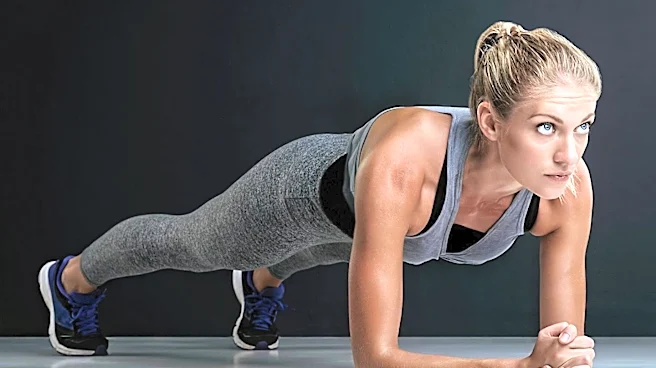
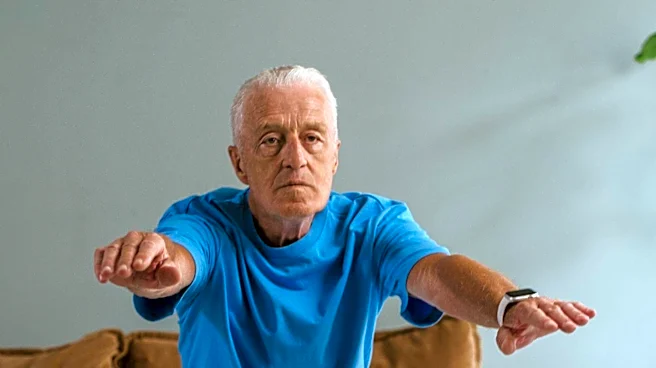
A personal trainer specializing in seniors recommends four no-equipment exercises to help individuals over 60 build strength and improve fitness levels. These exercises, which include diaphragmatic breathing, chair squats, wall planks, and wall push-ups,
are designed to be accessible, joint-friendly, and target major muscle groups in the upper body, lower body, and core. The trainer emphasizes that it's never too late to start an exercise routine and that these foundational movements can prepare individuals for more complex workouts. The routine suggests starting with 10-12 repetitions of each exercise for one set, holding wall planks for 15 seconds, and gradually increasing intensity by adding sets and repetitions. These exercises are also beneficial for beginners of any age and can serve as a warm-up for more intense programs. Before starting, individuals are advised to consult their medical team and consider meeting with a certified personal trainer or physical therapist for proper form and modifications.
Why It's Important?
The recommendation of no-equipment exercises for seniors is crucial for promoting physical independence and combating age-related muscle loss, a condition known as sarcopenia, where adults can lose 3% to 5% of muscle mass per decade after age 30. Maintaining strength, particularly in the legs, directly impacts daily activities such as rising from a chair, walking, and climbing stairs, and significantly reduces the risk of falls. Falls are a major health concern for older adults, with over 30% of individuals aged 65 and older experiencing a fall each year. By engaging in these simple, accessible exercises, seniors can improve balance, coordination, and overall functional movement, leading to a better quality of life and reduced caregiver burden. The emphasis on starting with no-equipment options removes barriers to entry, making fitness achievable for a wider demographic, including those new to exercise or recovering from injuries.
What's Next?
Seniors looking to implement these exercises should first consult their physician to ensure the routine is safe for their individual health conditions. Following medical clearance, they can begin incorporating diaphragmatic breathing, chair squats, wall planks, and wall push-ups into their daily or weekly routine, starting with the recommended repetitions and gradually increasing intensity. For those seeking additional guidance or modifications, engaging with a certified personal trainer or physical therapist is a logical next step to ensure proper form and prevent injury. Community centers and adult day services often offer group exercise programs tailored for seniors, which can provide a supportive environment and professional instruction. Continued adherence to these exercises, combined with other forms of physical activity, will contribute to sustained improvements in strength, balance, and overall well-being.
Beyond the Headlines
The focus on no-equipment exercises for seniors highlights a broader shift towards accessible and inclusive fitness solutions, recognizing that traditional gym settings or complex routines can be intimidating or impractical for many older adults. This approach underscores the importance of functional fitness, which emphasizes movements that mimic daily activities, thereby directly enhancing independence and quality of life. The psychological benefits of such programs extend beyond physical improvements, fostering confidence and a sense of accomplishment, particularly for those embarking on fitness later in life. Furthermore, the community aspect of senior fitness programs, as seen in various adult activity centers, addresses social isolation, a significant concern among older populations. By promoting simple, effective, and socially engaging exercise, these initiatives contribute to a more holistic approach to healthy aging, impacting not only individual well-being but also public health outcomes by reducing healthcare burdens associated with falls and age-related decline.