

What's Happening?
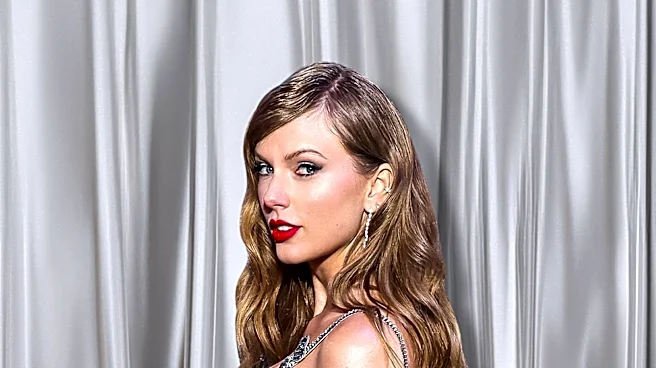
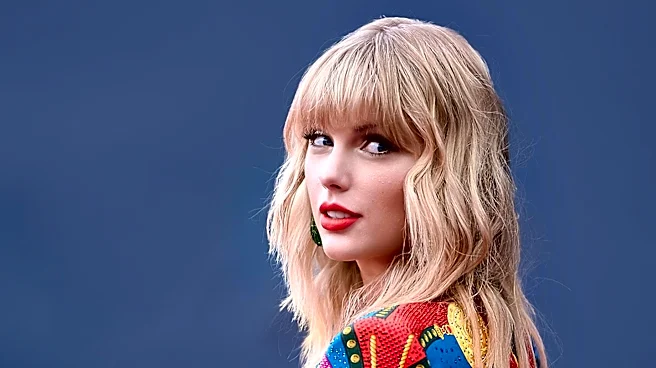
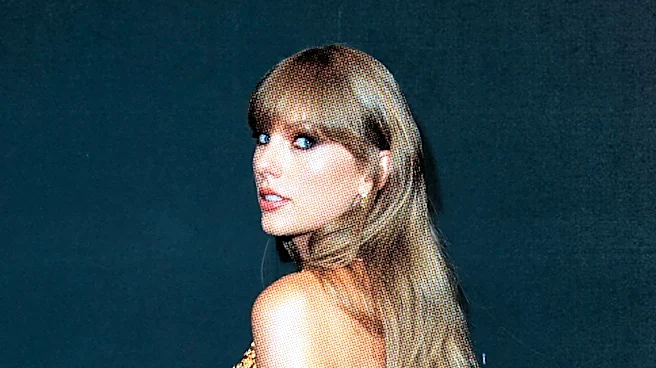
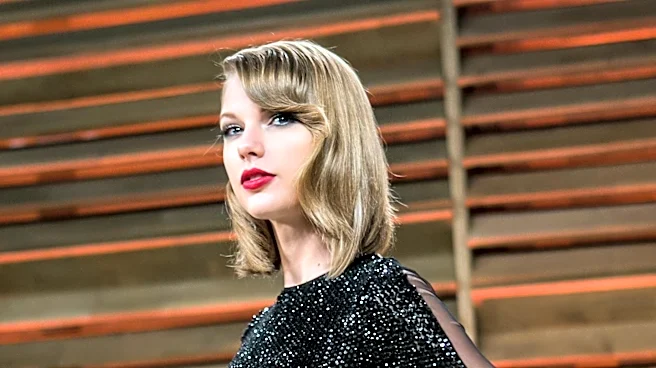
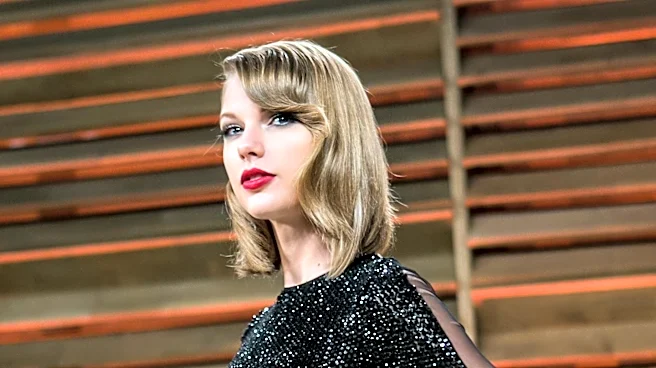
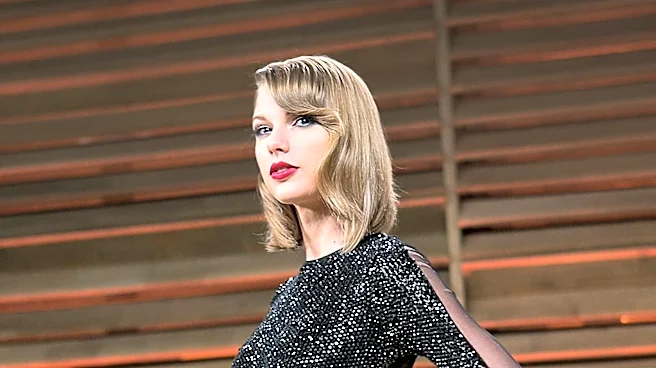
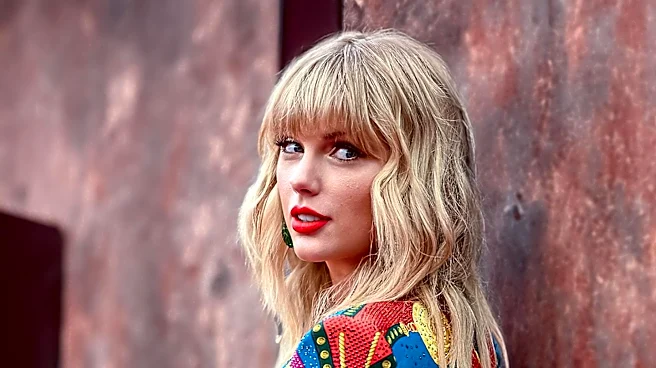
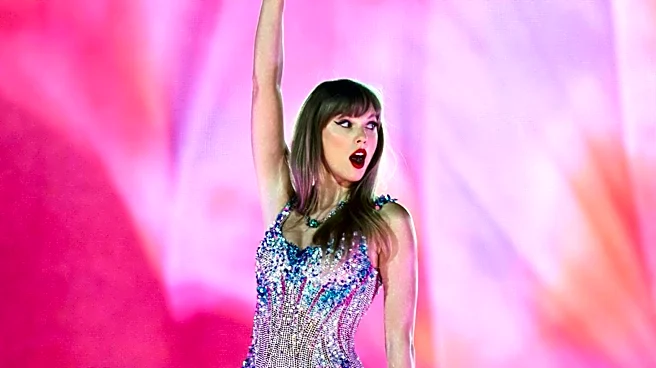
Vanity Fair's recent profile of Taylor Swift, titled "The Mastermind," has drawn significant attention and backlash. The article, written by May Jeong, refers to Swift as "The Star" and critiques various aspects of her life, including her childhood, celebrity
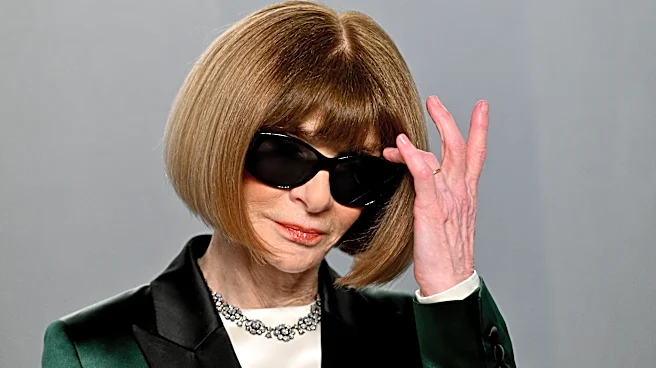
friendships, and feuds. A new report indicates that months before the publication of this critical piece, Condé Nast, the parent company of Vanity Fair, had twice requested exclusive wedding photos from Swift's marriage to Kansas City Chiefs tight end Travis Kelce. Swift reportedly declined these requests. The wedding, which took place on July 3 at Madison Square Garden with 1,000 guests, was officiated by Adam Sandler and featured performances by Stevie Nicks and Paul McCartney. Despite Swift's past appearances on Vogue covers, another Condé Nast publication, and her friendship with Anna Wintour, the company's global chief content officer, the magazine proceeded with the critical profile after the photo denials. Representatives for Swift and Condé Nast have not commented on the report.
Why It's Important?
This development highlights potential tensions between major celebrities and media outlets, particularly concerning control over personal narratives and exclusive content. For the entertainment industry, the incident underscores the power dynamics at play when a celebrity with significant influence, like Taylor Swift, chooses to withhold access from a prominent publication. It suggests that a refusal to grant exclusive content, such as wedding photos, might influence editorial decisions, potentially leading to more critical coverage. This situation could impact how other celebrities manage their relationships with media companies, possibly making them more cautious about granting or denying access, fearing retaliatory 'hit pieces.' For Condé Nast, the report raises questions about journalistic ethics and the potential for perceived bias in their reporting, especially given their previous relationship with Swift through Vogue. The public and media members, like Variety's Chris Willman, who called the article "snark masquerading as reportage," are scrutinizing the motives behind the profile, which could affect the magazine's reputation for objective journalism.
What's Next?
The report is likely to intensify scrutiny on Vanity Fair's editorial practices and its relationship with celebrity subjects. While representatives for Swift and Condé Nast have not commented, the timing of this information will fuel further speculation about the magazine's motivations for publishing the critical profile. Other celebrities and their public relations teams may re-evaluate their engagement strategies with Condé Nast publications, potentially leading to more guarded interactions or a preference for outlets perceived as more neutral. The incident could also prompt a broader discussion within the media industry about the ethical implications of publishing critical pieces following a celebrity's refusal to provide exclusive content. The public's perception of both Taylor Swift and Vanity Fair could be influenced, with fans potentially rallying further in support of Swift and questioning the magazine's credibility. It remains to be seen if this event will lead to any formal statements or changes in policy from either party.
Beyond the Headlines
This situation delves into the complex interplay between celebrity power, media access, and editorial independence. The alleged denial of wedding photos preceding a critical profile raises questions about whether editorial content can be influenced by a celebrity's willingness to provide exclusive material. This dynamic can create a challenging environment for journalists striving for objectivity, as publications might feel pressure to secure exclusive content to maintain readership or face perceived repercussions for not doing so. Ethically, it prompts a discussion on whether a publication's role is to report impartially or if it can be swayed by commercial interests related to celebrity access. Culturally, it reflects the ongoing tension between a celebrity's desire for privacy and the public's demand for intimate details of their lives, often mediated by powerful media entities. The incident could contribute to a broader trend where celebrities increasingly control their narratives through direct channels, bypassing traditional media outlets that they perceive as potentially hostile.