


What's Happening?
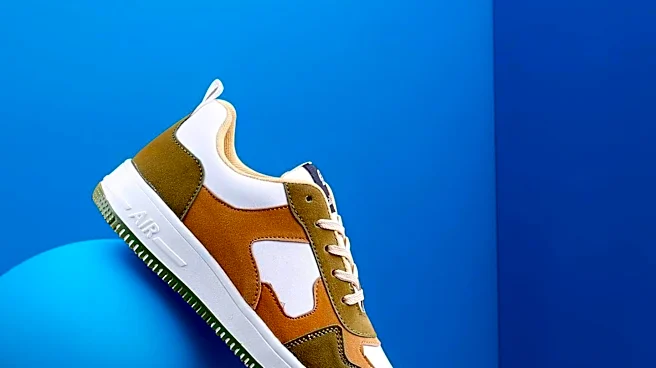
Veja, the French eco-friendly footwear company, is undergoing a significant design evolution, moving beyond its traditional 'normal' and inoffensive shoe styles. The brand, known for models like the Campo and V-90, is now introducing bolder, chunkier
silhouettes and engaging in more collaborations. This shift aims to align Veja with brands perceived as 'cool,' such as New Balance and Hoka. Recent releases include the low-profile, lugged-sole GT, inspired by racing shoes, which has quickly become a top-five best-selling men's shoe on Veja's website. Over the past year, Veja has also launched the running-inspired Salar and Condor 3 Advanced, and the martial-arts-meets-ballet Jitsu. These new designs incorporate fresh takes on typical design language, cleaning up and reconsidering familiar forms, often through transformative collaborations. For instance, the Jitsu features an asymmetrical, wide toebox, and the Salar and Condor 3 Advanced have been elevated through partnerships, such as with Japanese craft collective Sashiko Gals and Tokyo label CFCL. A notable move indicating this new direction is Veja's decision to ditch its 'V' logo in a collaboration with French brand Arpenteur to emphasize the collaborative sneaker's plush leather, resulting in a sleeker, logo-free design.
Why It's Important?
This strategic pivot by Veja is important as it signifies a broader trend in the footwear industry where brands are increasingly seeking to balance sustainability with fashion-forward designs and market appeal. By embracing 'cool' aesthetics and strategic collaborations, Veja aims to expand its market share beyond its established eco-conscious consumer base. This move could influence other sustainable brands to re-evaluate their design strategies to remain competitive and relevant in a rapidly evolving fashion landscape. The success of models like the GT demonstrates that consumers are receptive to Veja's new direction, indicating a potential for increased sales and brand recognition. For the U.S. market, this means a wider variety of stylish, ethically produced footwear options, potentially impacting consumer purchasing habits and encouraging other brands to adopt similar approaches to design and sustainability. The emphasis on collaborations also highlights the growing importance of partnerships in creating unique and desirable products, benefiting both the collaborating brands and consumers seeking exclusive items.
What's Next?
Veja is expected to continue its trajectory of introducing new, bolder designs and engaging in more collaborations. The brand's recent successes with models like the GT suggest that this new strategy will likely be sustained, with further releases that push design boundaries while maintaining its eco-friendly ethos. Consumers can anticipate more innovative silhouettes and unique partnerships that aim to elevate Veja's status in the competitive sneaker market. The brand's willingness to experiment, as seen with the removal of its signature 'V' logo in certain collaborations, indicates a flexible and forward-thinking approach to design and branding. This could lead to a broader appeal among fashion-conscious consumers who prioritize both style and sustainability. The ongoing evolution of Veja's product line will likely be closely watched by competitors and industry analysts as a case study in how established brands can successfully reinvent their image and expand their market reach.
Beyond the Headlines
Veja's evolution reflects a deeper cultural shift where sustainability and ethical production are no longer niche concerns but are increasingly integrated into mainstream fashion. By making its shoes 'cool,' Veja is challenging the perception that eco-friendly products must compromise on style. This could have long-term implications for the fashion industry, encouraging more brands to invest in sustainable practices without sacrificing aesthetic appeal. The brand's success in blending ethical manufacturing with desirable design could set a new standard, pushing the entire industry towards more responsible and innovative production methods. Furthermore, the emphasis on collaborations highlights the power of cross-brand partnerships in driving innovation and reaching new audiences. This approach not only diversifies product offerings but also fosters a sense of community and shared values among brands and consumers, ultimately contributing to a more dynamic and conscious fashion ecosystem.