




What's Happening?
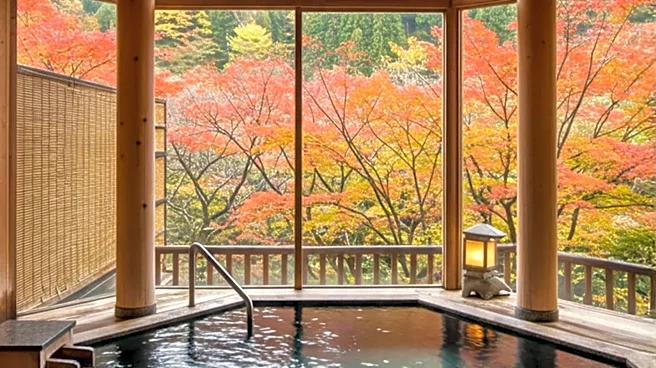
Zaborin, a luxury ryokan located in Hokkaido, Japan, provides a modern take on traditional Japanese resort inns. The property features 15 villas set amidst private forests, offering views of Mt. Yotei. Each room is equipped with two private indoor and
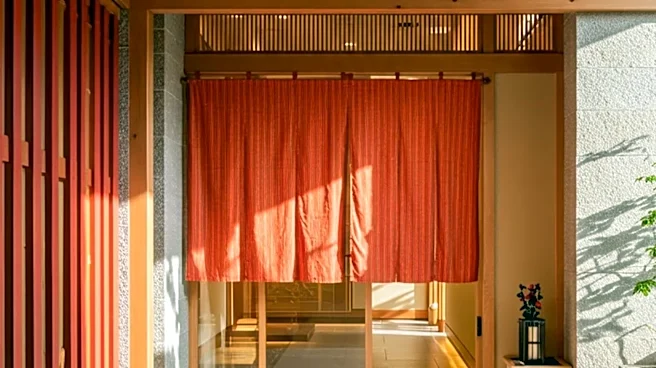
outdoor onsen baths, fed by free-flowing hot volcanic water rich in minerals, which has been recognized among the top 10% in Japan for its quality. Guests can choose between traditional Japanese-style 'washitsu' rooms with tatami mats and futon sleeping arrangements, or Western-style 'yoshitsu' rooms with mattress-topped beds. The ryokan emphasizes luxurious simplicity in its design and offers highly professional and attentive staff, aiming to provide a secluded and restful experience.
Why It's Important?
While located in Japan, the concept of luxury accommodations with private amenities like onsen baths can influence the U.S. hospitality market. As travelers seek unique and exclusive experiences, U.S. luxury hotels and resorts may draw inspiration from such offerings to enhance their own guest experiences. The emphasis on privacy, high-quality natural resources (like mineral-rich water), and exceptional service sets a benchmark for high-end hospitality globally. This trend could lead to increased investment in unique wellness and relaxation amenities within U.S. luxury properties, catering to a discerning clientele looking for more than just standard hotel stays. It also highlights a growing consumer demand for personalized and tranquil retreats.
What's Next?
The success of establishments like Zaborin could encourage U.S. hotel developers and luxury brands to explore similar niche markets, potentially leading to the integration of more private wellness facilities, such as in-room spa services or private hot springs, where geographically feasible. This might also drive innovation in architectural design within the U.S. hospitality sector, focusing on integrating natural surroundings and minimalist luxury. Furthermore, as international travel resumes and evolves, U.S. travelers exposed to such high standards abroad may increasingly expect similar levels of luxury and unique amenities in domestic accommodations, pushing the industry to adapt and innovate.
Beyond the Headlines
The Zaborin ryokan exemplifies a broader shift in luxury travel towards experiential and immersive stays that prioritize tranquility, privacy, and connection with nature. This trend moves beyond mere opulence, focusing on holistic well-being and cultural authenticity. For the U.S., this could mean a re-evaluation of what constitutes 'luxury' in hospitality, moving towards more sustainable, locally-inspired, and experience-rich offerings. It also underscores the importance of exceptional, personalized service as a key differentiator in a competitive market, potentially influencing training standards and guest interaction protocols across the U.S. luxury hotel industry.