




What's Happening?
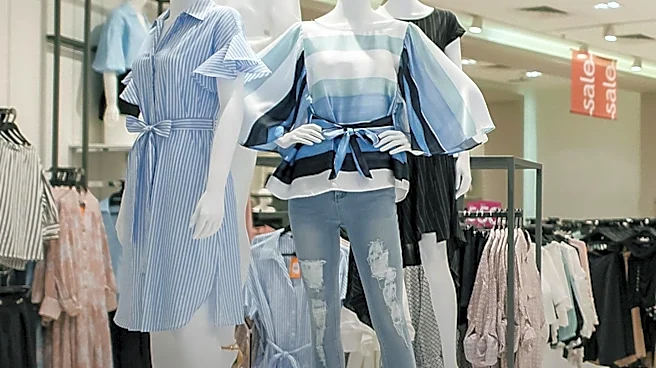
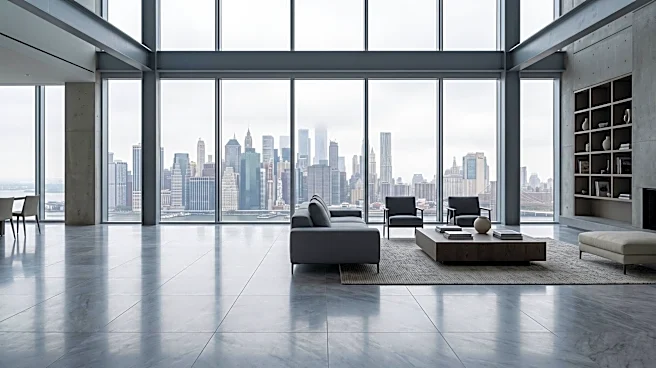
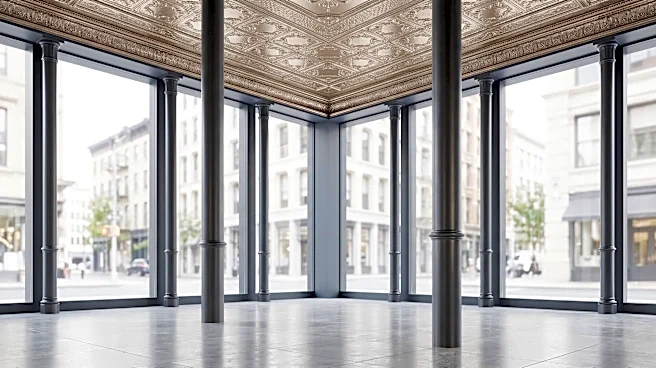
Zara, owned by Inditex, has completed a seven-month refurbishment of its flagship store at 660 Fifth Avenue in New York City. The renovation, executed by the Zara Architecture Studio, aims to blend Manhattan's urban architectural heritage with advanced
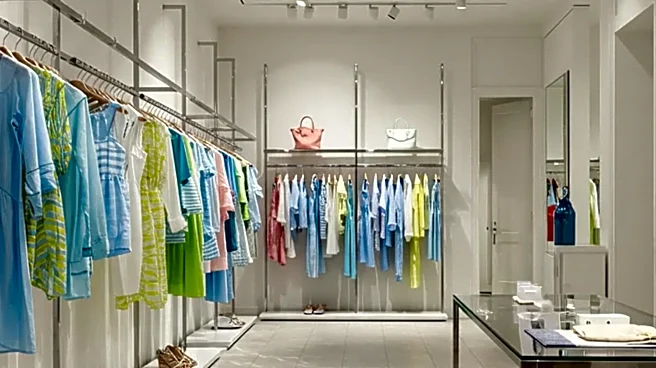
automation to redefine the urban shopping experience. The redesigned space spans three levels, dedicating the ground floor and lower concourse to womenswear, the basement to childrenswear, and the first floor to menswear, including a dedicated Athleticz zone. The store is the first Zara location in the U.S. to implement the brand's automated sorting system for inventory and returns, significantly reducing restocking times. New customer-facing technologies include automated order hubs for self-service pickup and returns, in-store navigation via the Zara mobile app to locate garments and check stock, and rapid fulfillment for app purchases with in-store pickup in under two hours. The flagship also features an intelligent energy footprint with centralized monitoring, LED lighting, and high-efficiency climate controls.
Why It's Important?
This extensive renovation of Zara's Fifth Avenue flagship is a strategic move by Inditex to set a new standard for brick-and-mortar retail in a digital-first economy. By integrating cutting-edge technology with a design that respects local architectural heritage, Zara is addressing the evolving demands of urban consumers who seek both efficiency and a curated shopping experience. The implementation of automated systems and seamless app integration aims to reduce friction in the shopping process, making it more convenient and appealing. This transformation serves as a blueprint for Inditex's broader expansion plans in the U.S., which include over 20 new openings, relocations, and significant renovations. The success of this model could influence how other major retailers approach their physical store presence, emphasizing technology-driven convenience and aesthetically pleasing environments to attract and retain customers in competitive urban markets.
What's Next?
The newly renovated Zara flagship on Fifth Avenue will serve as a model for Inditex's future retail developments across the United States. The company plans more than 20 new openings, relocations, and substantial renovations in the coming year, likely incorporating similar technological advancements and design philosophies. Other retailers will closely observe the performance and customer reception of this high-tech, architecturally integrated store to gauge the effectiveness of such investments in the evolving retail landscape. The store's exclusive '660 Fifth Avenue' capsule collection, featuring specialized apparel and fragrances, will also test the appeal of localized, limited-edition products as a strategy to drive foot traffic and enhance brand exclusivity. The ongoing integration of digital and physical shopping experiences is expected to continue, with further refinements based on customer feedback and technological advancements.
Beyond the Headlines
The overhaul of Zara's Fifth Avenue flagship reflects a deeper shift in consumer expectations and the role of physical retail in the age of e-commerce. By transforming a mass-market destination into a gallery-style space with advanced automation, Zara acknowledges that urban fashion consumers demand thoughtful presentation, architectural respect, and effortless efficiency. This move signals the phasing out of chaotic, generic sales floors in favor of frictionless, technology-supported environments that prioritize customer time and aesthetic standards. Ethically, the focus on an 'Intelligent Energy Footprint' with centralized monitoring and high-efficiency controls highlights a growing corporate responsibility towards sustainability, even within fast fashion. Legally, the integration of mobile app features for in-store navigation and rapid fulfillment could raise questions about data privacy and personalized shopping experiences, as retailers gather more granular data on customer behavior within physical spaces. Culturally, this flagship could influence urban fashion trends by demonstrating how high-low dressing can be supported by an elevated retail environment, bridging the gap between luxury and accessible fashion.