



What's Happening?
A new analysis by iSeeCars, based on over 1.5 million one- to five-year-old vehicles, reveals that used electric vehicles (EVs) are now selling nearly two weeks faster than used gasoline cars in the U.S. The average used EV sells in 41.9 days, compared
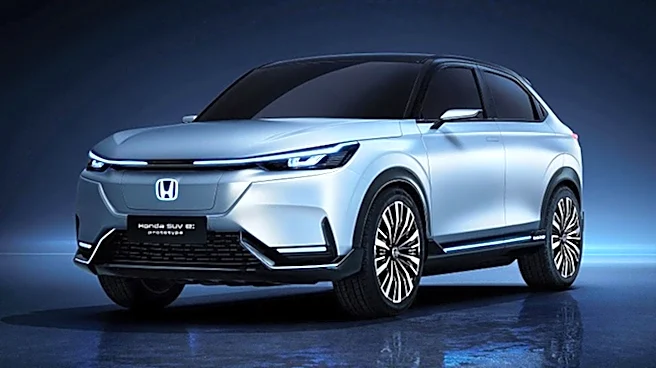
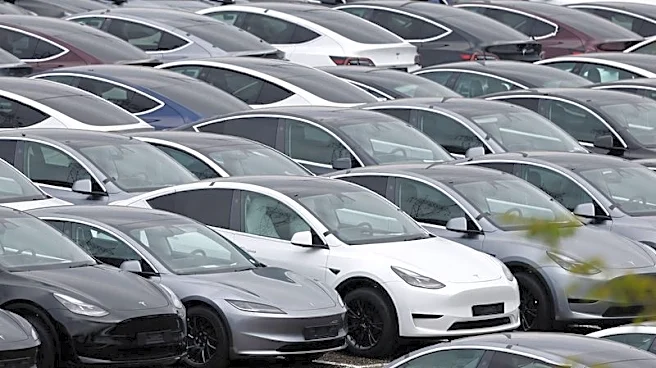
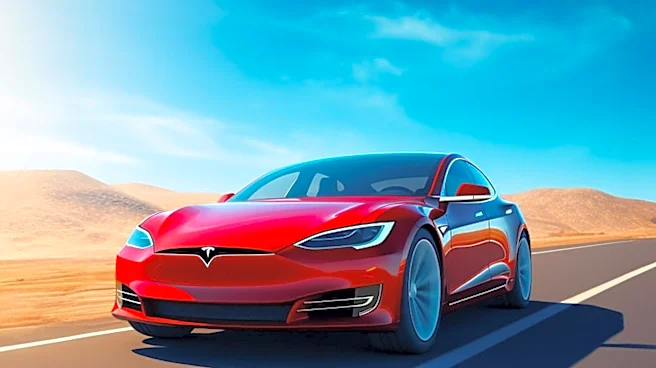
to 54.8 days for gas models. Despite this overall trend, Tesla is not leading in the fastest-selling used EV category. The Audi Q4 Sportback e-tron is the quickest-selling used EV, finding a buyer in 29.8 days, with other brands like Toyota, Lexus, and Honda also outperforming Tesla in sales speed. While used Tesla Model S, Model X, and Model 3 vehicles have seen significant price increases (22.5%, 18.0%, and 15.4% respectively), none of them rank in the top 10 fastest-selling used EVs.
Why It's Important?
This shift in the used car market signifies a growing consumer demand for electric vehicles, driven in part by rising fuel costs, which averaged $4.33 a gallon in September. The faster sales rate for used EVs, coupled with a 9.8% increase in their average price to $32,533 (now exceeding used gas cars by $579), indicates a robust and expanding market for pre-owned electric models. For the automotive industry, this trend suggests that the EV transition is gaining momentum not just in new car sales but also in the secondary market. The fact that non-Tesla brands are leading in sales speed highlights increasing competition and consumer acceptance of a wider range of EV manufacturers. This could encourage more automakers to invest in EV production and infrastructure, further accelerating the shift away from internal combustion engines.
What's Next?
The trend of faster-selling used EVs is likely to continue, especially if gas prices remain high or increase further. Consumers looking for used EVs may face more competition and potentially higher prices for popular models. Automakers will likely respond by increasing their production of new EVs to meet demand, which could eventually lead to a more balanced supply in the used market. The performance of various EV models in the used market will also influence manufacturers' strategies for future vehicle development, with a focus on models that retain value and sell quickly. Regulatory bodies may also consider these market dynamics when formulating policies related to EV adoption and incentives.
Beyond the Headlines
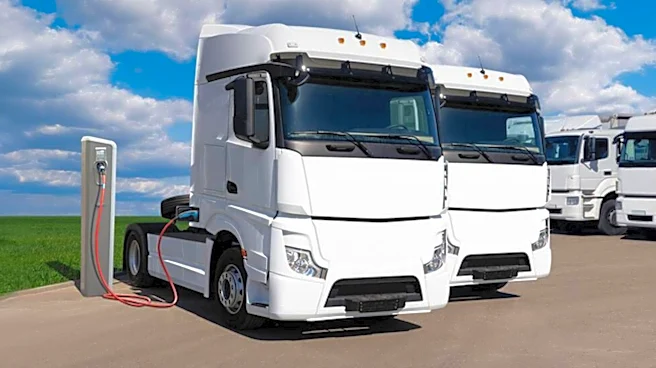
The rapid growth in the used EV market has broader implications for environmental sustainability and economic accessibility. As used EVs become more available and affordable, they offer a more accessible entry point for consumers to adopt electric transportation, contributing to reduced carbon emissions. The strong demand for used EVs also suggests a growing confidence in the longevity and reliability of electric vehicle technology. However, the disparity in sales speed, with compact and midsize crossovers selling faster than large SUVs and pickups, indicates evolving consumer preferences and the need for a diverse range of EV options to cater to different market segments. This trend could also influence the development of charging infrastructure, as a larger fleet of used EVs will require expanded and more accessible charging solutions.