




What's Happening?
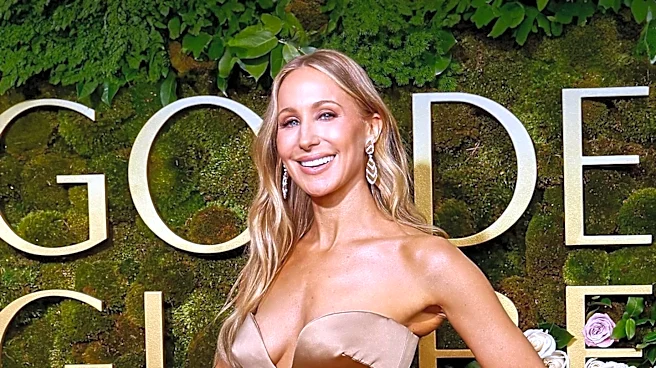
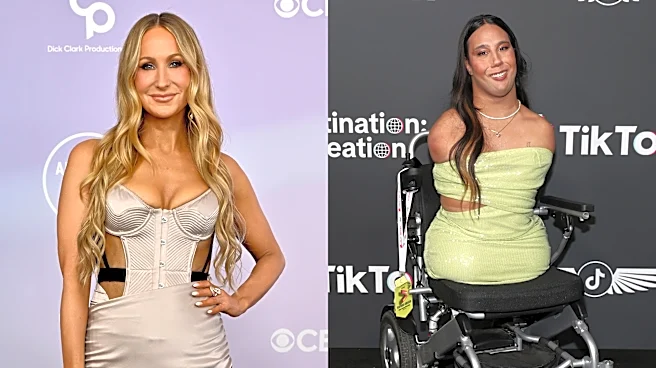
Comedian Nikki Glaser has issued an apology to transgender influencer Briel Adams-Wheatley following backlash over an insensitive joke made during a live stand-up show. The joke, which was not filmed, reportedly targeted Adams-Wheatley's identity as a trans individual
born without limbs. According to a fan's message shared by Adams-Wheatley on Instagram, Glaser's joke included compliments about Adams-Wheatley's talent and beauty but then made a crude remark about her transition and physical condition. Adams-Wheatley publicly called out Glaser, questioning why the comedian was making comments about her private parts. Glaser subsequently sent a direct message to Adams-Wheatley, apologizing and stating that her intent was not to hurt feelings and that she 'HATE[s] anti trans jokes of all kinds.' She also claimed the fan's relay of the joke was not entirely accurate but acknowledged it was a 'dumb joke' and committed to removing it from her act.
Why It's Important?
This incident highlights the ongoing debate surrounding the boundaries of comedy, particularly when it involves marginalized communities and individuals with disabilities. The public's swift reaction and Adams-Wheatley's direct confrontation of Glaser underscore a growing demand for accountability from public figures regarding offensive content. For comedians, it emphasizes the potential for jokes to cause real harm, regardless of intent, and the immediate impact social media can have in amplifying such controversies. The situation also brings to light the complexities of apologies in the digital age, where the sincerity and effectiveness of an apology are often scrutinized by a broad audience. This event could influence how comedians approach sensitive topics in their material and how they engage with public criticism, potentially leading to more cautious or thoughtful content creation to avoid similar backlashes.
What's Next?
Following her apology, Nikki Glaser has stated her intention to remove the joke from her stand-up routine. The public and Adams-Wheatley will likely monitor whether this commitment is upheld. The incident may also prompt further discussions within the comedy community about responsible humor and the impact of jokes on vulnerable groups. For Briel Adams-Wheatley, the public apology and the support she received from her followers could reinforce her platform as an advocate for trans and disabled individuals. The broader conversation around 'cancel culture' and accountability for comedians is expected to continue, with this event serving as another case study in the evolving landscape of public discourse and entertainment.
Beyond the Headlines
This event delves into the ethical considerations of comedy, particularly the power dynamics between a comedian and their audience, and between a public figure and an individual who becomes the subject of a joke. It raises questions about whether a comedian's intent absolves them of the impact of their words, especially when targeting someone's identity or physical condition. The incident also reflects a broader societal shift where marginalized voices are increasingly empowered to challenge offensive narratives and demand respect. The rapid dissemination of information and public opinion through social media platforms played a crucial role in holding Glaser accountable, demonstrating the significant influence of online communities in shaping public discourse and influencing the actions of public figures. This could lead to a re-evaluation of what constitutes acceptable humor in mainstream entertainment.