









What's Happening?
PUMA SE has lost its appeal in a legal dispute concerning alleged trademark infringement involving a shipment of shoes detained at the Odesa customs office in Ukraine. The Southwestern Commercial Court of Appeals upheld a previous ruling by the Odesa Regional
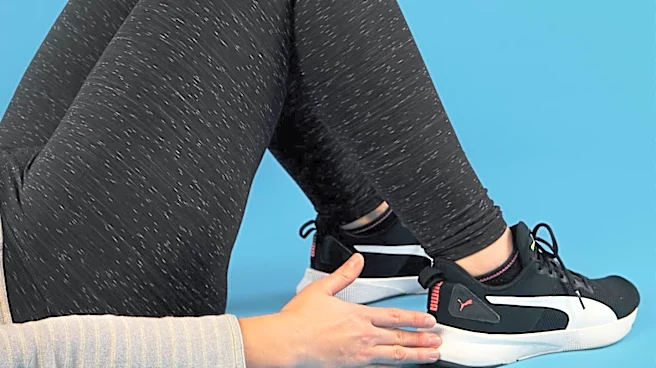
Commercial Court, which denied PUMA's claim against Stilli LLC. The case originated in December 2022 when Odesa Customs suspended the clearance of women's shoes imported from China by Stilli LLC, suspecting that a curved stripe design element infringed upon PUMA's registered trademarks. PUMA subsequently filed a lawsuit seeking to prohibit the use of this design, as well as to seize and destroy the detained shipment. The company argued that the stripe on Stilli's footwear resembled its signature design and could mislead consumers. However, Stilli LLC denied any infringement, asserting significant differences in its product's design. Expert examinations conducted during the proceedings yielded conflicting conclusions regarding the similarity of the marks.
Why It's Important?
This ruling is significant for intellectual property law and brand protection, particularly in international trade. For PUMA, the decision represents a setback in its efforts to protect its distinctive design elements globally, potentially impacting its strategy for combating counterfeit or imitative products in various markets. For Stilli LLC, the victory affirms its right to use its current footwear design and allows the release of its detained shipment, potentially bolstering its market position. The court's emphasis on the overall visual impression for an average consumer and the clear indication of the 'Stilli' brand on the footwear and packaging highlights the complexities of trademark disputes. It underscores that minor design variations and clear branding can be crucial in differentiating products and avoiding consumer confusion, even when design elements bear some resemblance to established trademarks.
What's Next?
Following the appellate court's decision, Stilli LLC will likely proceed with the clearance and distribution of the previously detained shipment of women's shoes. PUMA SE may need to re-evaluate its intellectual property enforcement strategies in Ukraine and potentially other international markets, considering the court's interpretation of design similarity and consumer confusion. The ruling could influence future trademark infringement cases in the region, setting a precedent for how courts assess design elements and brand distinctiveness. Other companies operating in the footwear and apparel industry may also review their product designs and branding to ensure compliance and avoid similar legal challenges, or conversely, to understand the boundaries of design inspiration without infringing on established trademarks. The outcome suggests a higher bar for proving trademark infringement based on decorative elements when clear branding is present.
Beyond the Headlines
The case delves into the nuanced aspects of trademark law, particularly the balance between protecting established brand identity and fostering fair competition and design innovation. The conflicting expert opinions during the trial underscore the subjective nature of assessing visual similarity and potential consumer confusion, often requiring courts to make judgments based on the 'average consumer' standard. This ruling could encourage smaller brands to innovate within design parameters, knowing that distinct branding and subtle design differences can protect them from infringement claims by larger, established companies. Conversely, it might prompt major brands like PUMA to refine their trademark registrations to be more specific about design elements or to pursue more aggressive enforcement strategies in jurisdictions where such interpretations prevail. The decision also highlights the challenges of intellectual property enforcement across different legal systems and cultural contexts, where interpretations of design similarity can vary significantly.