





What's Happening?
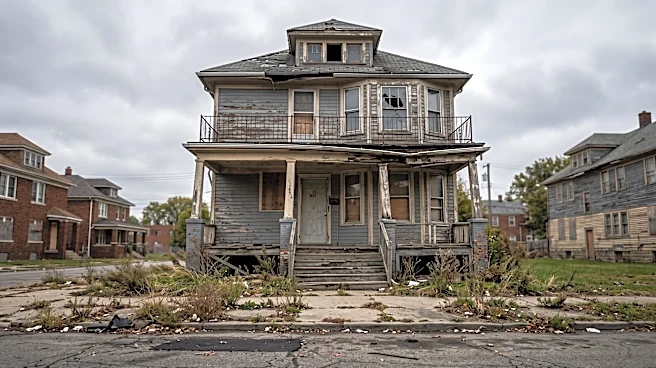
Lerner Enterprises, through companies belonging to Shraga Lerner, is involved in a significant real estate fraud scandal in Baltimore. The scheme, which operated between mid-2023 and early 2024, involved acquiring distressed properties, often vacant or rundown,
for prices ranging from $40,000 to $100,000. These properties were then allegedly sold to entities run by Eluzer Gold at two to five times their original purchase price, following inflated appraisals based on supposed renovations. Benjamin Eidlisz facilitated the fraudulent loans. The lawsuit claims that many homes were flipped within weeks, an insufficient timeframe for full renovations, and that appraisal photographs often depicted superior properties rather than the actual subject properties. Mortgage lenders, Commercial Lender and RCN Capital, originated 59 loans to the group, incurring over $10 million in financial losses when the properties went into foreclosure. The plaintiffs accuse Gold, Eidlisz, and Lerner of fraud and conspiracy under the Racketeer Influenced and Corrupt Organizations Act (RICO).
Why It's Important?
This fraud scheme highlights significant vulnerabilities within the real estate investment lending sector, particularly concerning debt-service-coverage-ratio (DSCR) loans, which rely heavily on property value and cash flow rather than extensive borrower documentation. The alleged involvement of repeat appraisers and title agents in multiple transactions underscores a systemic failure in fraud detection. The financial losses exceeding $10 million for the two mortgage lenders demonstrate the substantial economic impact on financial institutions. Beyond the direct financial damage, the widespread nature of such scams, potentially involving up to 500 homes, severely undermines urban revitalization efforts in cities like Baltimore. The resulting foreclosures contribute to high foreclosure rates, deter legitimate developers, and exacerbate blight in communities that are already struggling, creating a ripple effect that harms civic well-being and economic stability.
What's Next?
The civil lawsuit filed by Commercial Lender and RCN Capital is ongoing, seeking over $12.2 million in monetary damages, including accrued interest and profits from the illegal resales. The legal proceedings will likely involve further investigations into the roles of dozens of other businesses and individuals, including appraisers Christopher Actie and Jason Taylor, various management companies, and title firms Commerce Title and Rextar Title. These entities face charges such as unjust enrichment, professional malpractice, and negligent misrepresentation. The case may also prompt increased scrutiny from regulatory bodies on DSCR loan practices and the oversight of appraisers and title agents in real estate transactions. Lenders are expected to enhance their fraud recognition and vigilance protocols, especially in investor real estate, to identify patterns of suspicious activity involving the same vendors across multiple transactions. The outcome of this lawsuit could set precedents for how similar fraud cases are prosecuted and how real estate investment lending is regulated in the future.
Beyond the Headlines
The Baltimore real estate fraud scandal exposes deeper ethical and systemic issues within the property market. The alleged use of mismatched appraisal photos and rapid property flipping without genuine renovations points to a deliberate exploitation of appraisal processes and a lack of due diligence by various parties. This not only defrauds lenders but also distorts property values, creating artificial bubbles in distressed markets. The involvement of multiple appraisers and title companies suggests a potential network of complicity or severe negligence, raising questions about professional accountability and ethical standards within these industries. The long-term consequences extend to the erosion of public trust in real estate transactions and financial institutions. Furthermore, the proliferation of such schemes in cities with low home values and abundant vacant properties highlights how vulnerable communities can become targets for predatory practices, hindering genuine community development and perpetuating cycles of economic disadvantage. This case underscores the critical need for robust oversight and ethical conduct across all facets of the real estate ecosystem.