

What's Happening?
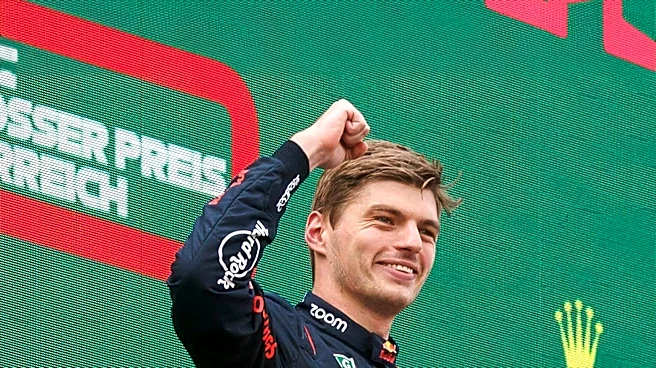
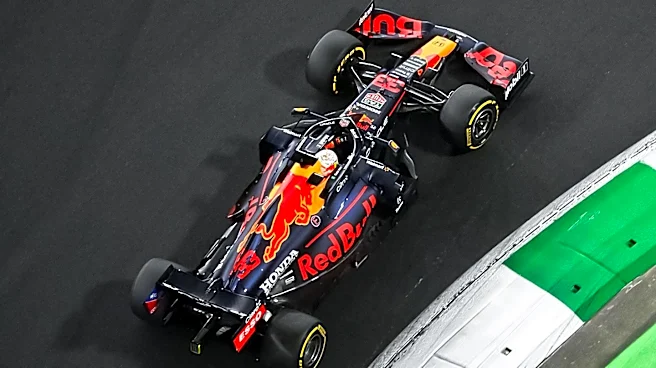
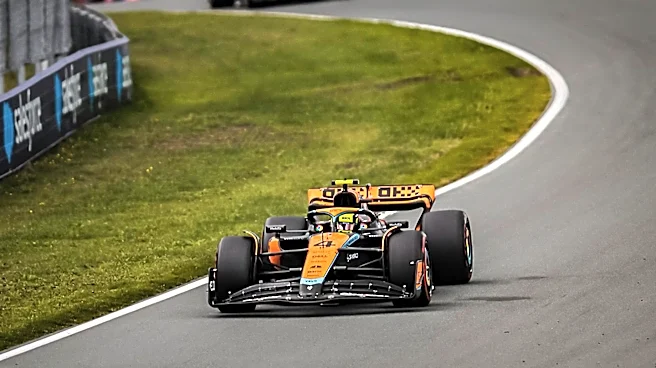
Max Verstappen has consistently delivered extraordinary recovery drives at the Interlagos circuit, a pattern that began ten years ago on November 13, 2016. During the 2016 Brazilian Grand Prix, Verstappen, then 19, started fourth but dropped to 16th due
to strategic gambles and changing weather conditions. Despite a near-spin at over 300km/h, he recovered to finish third, behind Lewis Hamilton and Nico Rosberg. This performance, described by Red Bull boss Christian Horner as one of the best drives he had witnessed, involved scything through the field in near-zero visibility and hunting grip in puddles. This 2016 race set a precedent for subsequent Sāo Paulo Grands Prix, where Verstappen has continued to demonstrate exceptional wet-weather driving and strategic recovery, including wins from P17 and climbs from the pit lane to third, and from P21 to second in recent years.
Why It's Important?
Verstappen's repeated, high-stakes recovery drives at Interlagos underscore his exceptional skill and adaptability, particularly in challenging conditions. These performances not only solidify his reputation as one of Formula 1's premier talents but also highlight the critical role of driver skill in overcoming strategic setbacks and adverse weather. For Red Bull, these recoveries demonstrate the team's ability to support a driver who can maximize unexpected opportunities, even when initial strategies falter. The consistency of these 'masterclass' drives at the same venue over a decade suggests a unique synergy between Verstappen's driving style and the Interlagos track, especially in wet conditions. This pattern provides valuable insights into driver performance under pressure and the dynamic nature of Formula 1 racing, where individual brilliance can significantly alter race outcomes.
What's Next?
As Max Verstappen continues his Formula 1 career, future races at Interlagos will likely be viewed with heightened anticipation, particularly if challenging weather conditions arise. The expectation will be for him to once again demonstrate his renowned recovery capabilities. His consistent performance in adverse conditions could influence Red Bull's strategic decisions in similar race scenarios, potentially encouraging more aggressive or unconventional approaches knowing his ability to recover. Other teams and drivers will undoubtedly study his Interlagos performances to understand how he extracts such significant pace and control in difficult circumstances, potentially leading to adaptations in their own wet-weather strategies and driver training. This ongoing pattern could also contribute to his legacy as a driver uniquely adept at overcoming significant grid penalties or strategic errors.
Beyond the Headlines
Verstappen's recurring Interlagos heroics transcend mere race results, contributing to a broader narrative about driver resilience and the human element in a technologically advanced sport. These drives challenge the perception that modern F1 is solely dominated by car performance, emphasizing that a driver's raw talent, instinct, and ability to perform under extreme pressure remain paramount. The 'laws of physics being redefined' comment by Toto Wolff after the 2016 race encapsulates the almost mythical quality attributed to these performances. This consistent ability to turn seemingly lost races into podium finishes or wins not only entertains but also inspires, showcasing the pinnacle of motorsport skill. It also raises questions about the psychological impact on competitors, who witness a rival consistently defy expectations and conventional racing wisdom.