




What's Happening?
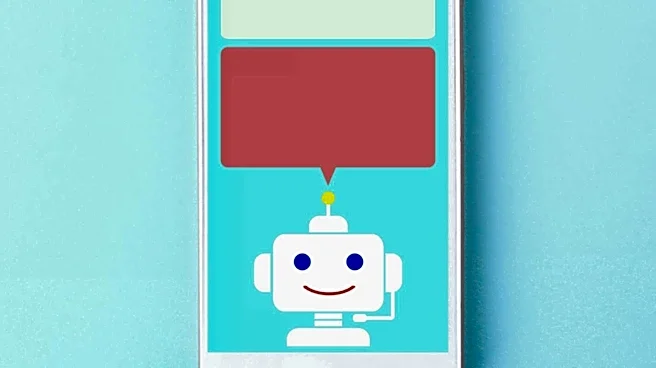
Home Depot has developed an AI-powered shopping assistant named Magic Apron to help do-it-yourself (DIY) customers avoid purchasing incorrect supplies for their projects. The platform, trained on Home Depot's extensive product and project data, acts as an advisor
to shoppers. Rebecca Godecke, president of Home Depot's online division, emphasized that the tool focuses on entire projects rather than single-item selling. For instance, Magic Apron can identify incompatible parts, such as a wrong wax ring for a toilet replacement, preventing customers from making a second trip to the store. The AI assistant initially launched as a chatbot on the company's website, then expanded to its app and product pages in March 2025, offering product answers, review summaries, and how-to guidance. By December 2025, it began building shopping carts for customers, and in August, it rolled out in-store capabilities tailored to each of Home Depot's over 2,000 locations, guiding shoppers to specific inventory and layouts and supporting multiple languages. This initiative aims to replicate the expertise of knowledgeable store associates through technology.
Why It's Important?
The deployment of Magic Apron by Home Depot signifies a significant shift in retail customer service, leveraging artificial intelligence to enhance the DIY shopping experience. This move is crucial for Home Depot as it addresses a common pain point for DIYers: purchasing incorrect or incompatible items, which leads to frustration and additional trips. By providing project-based guidance, the AI bot aims to increase customer satisfaction and efficiency, potentially reducing product returns and improving sales conversion rates. The success of Magic Apron, which fields millions of questions monthly and contributes to more complete shopping carts, demonstrates the growing importance of AI shopping assistants in the retail sector. This trend is also being adopted by other major retailers like Walmart, Amazon, Target, and Lowe's, indicating a broader industry movement towards AI-driven customer support and personalized shopping experiences. For consumers, it means a more streamlined and less error-prone shopping journey, particularly for complex home improvement projects.
What's Next?
The continued evolution of AI shopping assistants like Magic Apron suggests further integration of artificial intelligence into the retail customer journey. Home Depot is likely to expand the capabilities of Magic Apron, potentially incorporating more advanced diagnostic features, personalized project recommendations based on past purchases, and seamless integration with other smart home technologies. As customer adoption grows, these AI tools will become increasingly sophisticated, moving beyond basic Q&A to proactive problem-solving and predictive assistance. Other retailers are expected to further invest in and refine their own AI agents, leading to a competitive landscape where the quality and utility of these digital assistants become a key differentiator. This could also lead to new partnerships between retailers and AI development firms to push the boundaries of what these tools can achieve, ultimately reshaping how consumers interact with retail brands both online and in physical stores.
Beyond the Headlines
The rise of AI shopping assistants like Home Depot's Magic Apron has deeper implications for the retail workforce and consumer behavior. While these tools enhance customer experience and operational efficiency, they also raise questions about the future role of human store associates. The AI is designed to replicate the knowledge of experienced tradespeople, potentially shifting the demand for certain types of in-store expertise. Furthermore, the reliance on AI for project guidance could alter how consumers approach DIY tasks, fostering a greater sense of independence but also potentially reducing direct human interaction and the serendipitous discovery that can occur with human assistance. Ethically, as AI systems become more influential in purchasing decisions, transparency about their algorithms and potential biases will become increasingly important. The long-term impact could be a more automated, data-driven retail environment where personalized AI guidance becomes the norm, fundamentally changing the dynamics between retailers, products, and consumers.