


What's Happening?
U.S. Congressman Brendan Boyle, a Democrat from Philadelphia, has publicly expressed his bewilderment regarding ION Sports' decision to exclude WNBA star Caitlin Clark from promotional materials for an Indiana Fever game. The promotional graphic for a prime-time
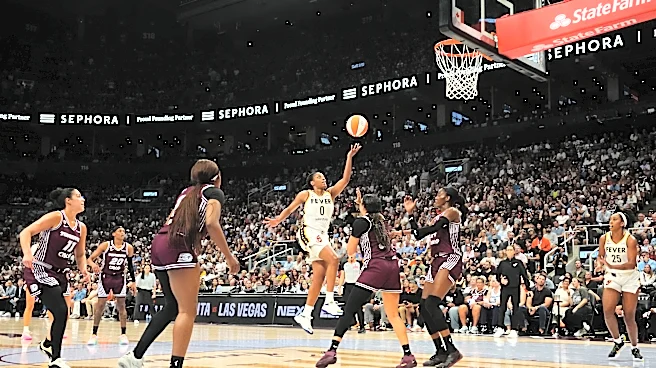
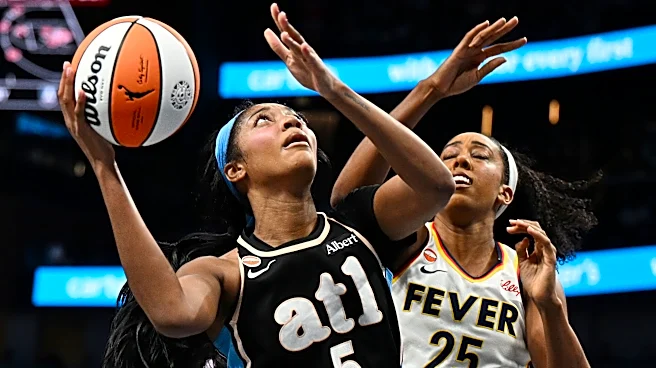
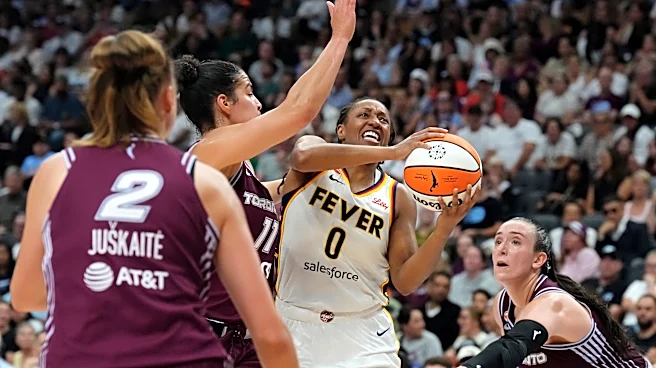
matchup between the Indiana Fever and Dallas Wings featured Lexie Hull and Raven Johnson for the Fever, while the Dallas Wings were represented by their prominent players Paige Bueckers and Arike Ogunbowale. This omission has drawn criticism from various media analysts, fans, and personalities, including former ESPN host Linda Cohn. Cohn highlighted that Clark is a significant draw, with Fever games achieving record-breaking viewership, such as the Fever-Dream game which became ESPN's most-watched WNBA game in history, attracting 2.6 million viewers and peaking at 4 million. Congressman Boyle, while admitting he is not a dedicated WNBA fan, found it 'bizarre' that the league would not market its most popular player, drawing a parallel to how the NBA heavily promoted Michael Jordan.
Why It's Important?
This situation underscores a broader debate within professional sports, particularly women's basketball, about marketing strategies and the maximization of star power. Caitlin Clark has demonstrably brought unprecedented attention and viewership to the WNBA, making her a crucial asset for the league's growth and visibility. The decision by ION Sports to not feature her in promotions, despite her significant impact on ratings and fan engagement, raises questions about the league's approach to leveraging its most marketable players. For U.S. sports broadcasting and marketing, this incident highlights a potential missed opportunity to capitalize on a phenomenon that could further elevate the WNBA's profile and attract new audiences. The involvement of a U.S. Congressman in this discussion also indicates the cultural and public interest significance of Clark's presence in the league, extending beyond traditional sports commentary into broader public discourse.
What's Next?
The ongoing discussion surrounding Caitlin Clark's marketing and promotion is likely to continue, with increased scrutiny on how the WNBA and its broadcast partners choose to highlight their games and players. This incident may prompt further public and media pressure on ION Sports and the WNBA to re-evaluate their promotional strategies to ensure they are effectively leveraging their most popular athletes. Future promotional materials for WNBA games, especially those involving the Indiana Fever, will likely be closely watched for their inclusion or exclusion of Caitlin Clark. The league may face continued calls from fans and commentators to maximize Clark's visibility to sustain and grow the record viewership numbers she has generated. This could lead to adjustments in marketing campaigns to better reflect the players who are driving audience engagement.
Beyond the Headlines
The controversy surrounding Caitlin Clark's promotion touches upon deeper issues within sports marketing and the challenges of managing sudden, immense popularity. While some argue for equitable promotion of all players, the commercial reality of professional sports often dictates a focus on individuals who generate the most interest and revenue. This situation could spark a broader conversation about how women's sports leagues balance promoting individual stars with showcasing team depth and collective talent. It also highlights the potential for disconnect between fan expectations, driven by a player's undeniable impact, and the strategic decisions made by broadcasters and leagues. The comparison to Michael Jordan's marketing in the NBA suggests a historical precedent for leveraging individual star power, raising questions about whether the WNBA is fully embracing a similar strategy for its current breakout star.