




What's Happening?
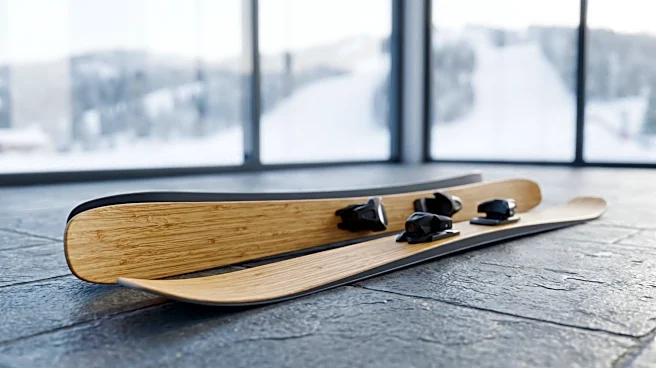
Skiblades, particularly models like the Snowfeet NORDIC 90 cm, are emerging as a viable option for casual ski fitness workouts on flat, groomed paths. While full-length cross-country skis remain superior for long-distance training, racing, or high-speed
skiing due to their glide efficiency, skiblades offer advantages in control, portability, and ease of use. The 90 cm NORDIC model provides a compact fitness option for those seeking an XC-style stride without the bulk of longer skis. For short sessions, family outings, or beginners, 65 cm skiblades are highlighted for their ease of control and compatibility with various winter footwear. The 99 cm skiblades offer a balance of glide and easy handling for casual cruising on groomed trails. The primary trade-off between skiblades and full-length cross-country skis on flat terrain is glide versus control, with skiblades excelling in maneuverability and convenience.
Why It's Important?
This development is important for the U.S. winter sports and fitness industries as it broadens accessibility to ski-related activities. The convenience and user-friendliness of skiblades, which often work with existing winter shoes or snowboard boots, can lower the barrier to entry for new participants who might be intimidated by the specialized equipment and learning curve of traditional cross-country skiing. This could lead to increased participation in winter outdoor activities, particularly in urban parks, golf courses, and local groomed trails, fostering a more active lifestyle during colder months. For retailers, it presents an opportunity to market a more approachable and versatile product, potentially attracting a wider demographic beyond dedicated cross-country skiers. The emphasis on 'easy cardio' and 'winter fun' suggests a shift towards recreational fitness, which could boost sales of related apparel and accessories.
What's Next?
The market for compact ski fitness equipment is likely to expand as more consumers seek convenient and accessible ways to stay active during winter. Manufacturers may introduce new skiblade models with enhanced features, further blurring the lines between traditional cross-country skiing and recreational snow sports. We might see increased adoption of skiblades in community fitness programs and rental services, especially in areas with limited access to extensive cross-country trail networks. As awareness grows, there could be a rise in demand for groomed flat trails suitable for skiblades, prompting local parks and recreation departments to adapt their winter offerings. The continued emphasis on ease of use and portability suggests that future innovations will likely focus on making winter sports even more convenient for the casual user.
Beyond the Headlines
The rise of skiblades reflects a broader trend in the fitness industry towards convenience and versatility. In an increasingly time-constrained society, equipment that minimizes setup time, storage issues, and specialized training requirements holds significant appeal. This shift could influence how outdoor recreation is perceived and accessed, moving away from highly specialized, gear-intensive activities towards more spontaneous and inclusive forms of engagement. Ethically, promoting accessible winter sports can contribute to public health by encouraging physical activity, while environmentally, compact equipment might reduce the carbon footprint associated with transporting larger gear. Culturally, it could foster a more casual and playful approach to winter sports, making them less about competitive performance and more about enjoyment and well-being.