





What's Happening?
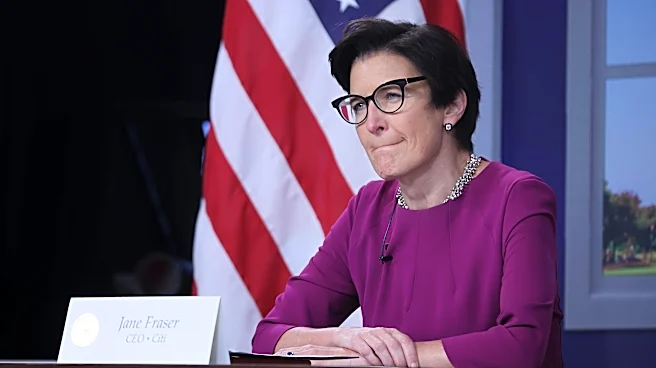
Citigroup's decision to appoint CEO Jane Fraser as Chair of the Board in October 2025 has sparked questions regarding corporate governance and the independence of board oversight. This move combines the roles of chief executive and board chair, a structure
Citigroup had previously moved away from in 2009, when it adopted a governance model requiring an independent board leader. The change occurred despite regulatory enforcement actions against Citi in 2020 for deficiencies in risk management and internal controls. While Citigroup argues that all 18 largest U.S. banking organizations have combined CEO-chair leadership and that Lead Independent Director John Dugan retains significant oversight responsibilities, critics highlight the potential for reduced independent oversight. Dugan chairs the Transformation Oversight Committee and oversees CEO performance, compensation, and succession processes. However, the fundamental concern revolves around whether the board can maintain sufficient independence to challenge management effectively when the CEO also controls the boardroom agenda.
Why It's Important?
This governance shift at Citigroup is important because it directly impacts the accountability and oversight mechanisms within one of the largest U.S. financial institutions. Combining the CEO and Chair roles can blur the lines between management leadership and board oversight, potentially weakening the board's ability to challenge executive decisions, evaluate performance critically, and demand corrective actions. For shareholders, this raises questions about who independently evaluates the CEO when transformation milestones are missed and how the board distinguishes between management progress and assurances. The decision could influence investor confidence, as strong independent governance is often seen as a safeguard against corporate missteps and a driver of long-term value. The situation also sets a precedent for corporate governance practices within the banking sector, potentially influencing how other large financial institutions structure their leadership.
What's Next?
The immediate focus will likely be on how Citigroup's board demonstrates its independence and effectiveness under the new leadership structure. Shareholders and governance advocates will be scrutinizing the board's actions, particularly in areas of risk management, regulatory compliance, and financial performance. Future proxy statements from Citigroup will be closely examined for justifications of this combined role, especially in contrast to previous statements advocating for independent leadership. The effectiveness of John Dugan as Lead Independent Director in providing robust oversight will also be a key point of observation. Should Citigroup face further regulatory challenges or performance issues, the governance structure will undoubtedly come under renewed scrutiny, potentially leading to calls for a re-evaluation of the combined CEO-Chair role from investors and regulatory bodies.
Beyond the Headlines
Beyond the immediate governance implications, this situation at Citigroup touches upon broader themes of corporate power concentration and the evolving standards of board independence in large corporations. The debate over combined CEO-Chair roles often highlights a tension between efficiency in decision-making and the need for robust checks and balances. While some argue that a combined role allows for more unified strategic direction, others contend it can stifle dissent and reduce accountability. This development could reignite discussions among corporate governance experts and institutional investors about the optimal leadership structure for complex financial institutions, especially those under heightened regulatory scrutiny. It also underscores the ongoing challenge for boards to genuinely demonstrate independent oversight, even with designated lead independent directors, when the CEO holds significant influence over the board's agenda and discussions.