




What's Happening?
The 21st General Assembly of the West African Power Pool (WAPP), a specialized institution of the Economic Community of West African States (ECOWAS), is scheduled to take place on November 6-7, 2026, in Conakry, Republic of Guinea. This significant event
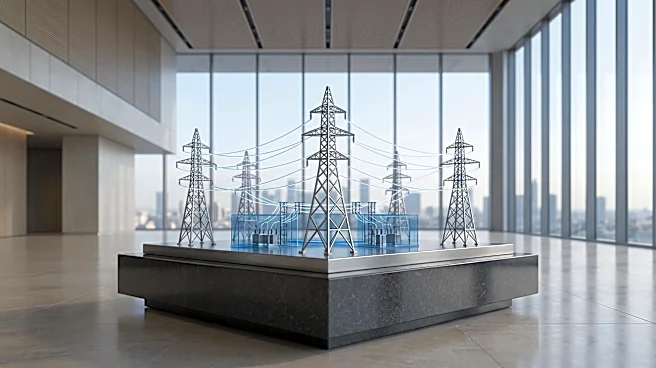
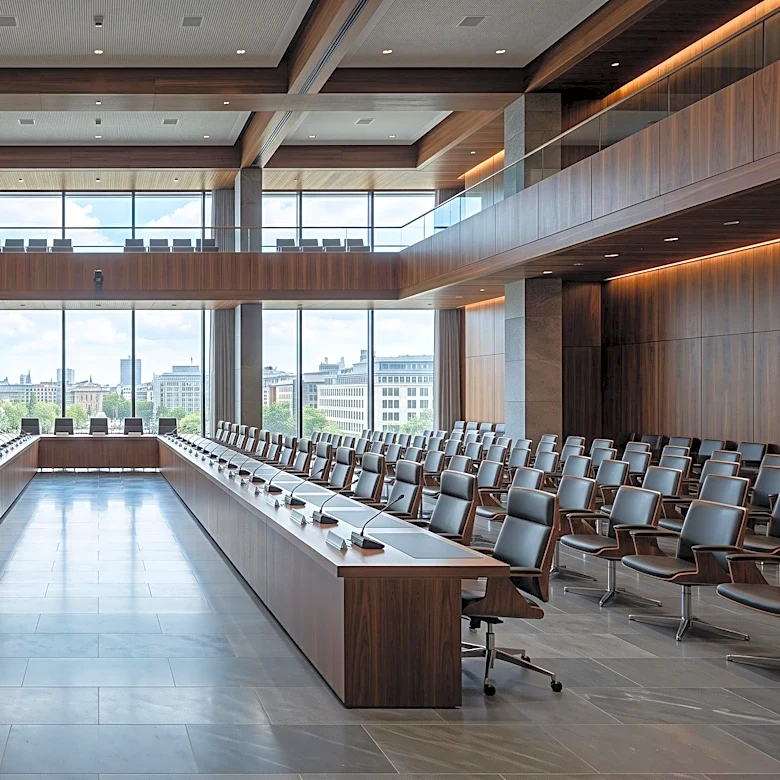
will be hosted by Électricité de Guinée (EDG-SA) at the Radisson Blu Hotel. Preceding the General Assembly, a coordination meeting for WAPP’s Technical and Financial Partners (TFPs) will be held on November 5, 2026. The General Assembly, which serves as WAPP's supreme governing body, will gather Managing Directors and Chief Executive Officers from WAPP’s 60 member utilities. Discussions will center on key challenges in developing and integrating the West African electricity sector, reviewing organizational activities, assessing progress on priority electricity interconnection projects, and establishing the Regional Electricity Market. The theme for this session is “Consolidating the Regional Electricity Market: A Driver of Resilience for West Africa,” emphasizing cross-border electricity trade and energy resource complementarity to enhance supply security and promote reliable, competitively priced electricity.
Why It's Important?
The 21st WAPP General Assembly is critical for advancing energy security and economic development across West Africa. The consolidation of a regional electricity market is vital for ensuring a stable and affordable power supply, which is a fundamental requirement for industrial growth, job creation, and improved living standards. By fostering cross-border electricity trade and integrating diverse energy resources, the region can mitigate the impact of localized power shortages and reduce reliance on expensive, inefficient national grids. Guinea's role as host, with its significant hydropower potential and participation in major interconnection projects like Transco-CLSG, OMVG, and OMVS, highlights the strategic importance of collaborative energy initiatives. A well-integrated power system can attract foreign investment, facilitate regional trade, and enhance the overall economic resilience of ECOWAS member states, contributing to long-term stability and prosperity in the region.
What's Next?
The General Assembly will define strategic priorities for the West African electricity sector in the coming years, building on the review of current activities and progress on interconnection projects. The preceding meeting with Technical and Financial Partners on November 5 will be crucial for identifying financing requirements and strengthening coordination among development partners to accelerate infrastructure delivery. Following the Assembly, WAPP, alongside its Member States and electricity utilities, will continue to implement the defined strategies to advance an integrated, reliable, and sustainable regional power system. This will involve ongoing efforts to complete interconnection projects, harmonize regulatory frameworks, and promote energy efficiency. The commitment to a more integrated and resilient Regional Electricity Market is expected to drive further investments in renewable energy sources and transmission infrastructure, ultimately aiming to provide universal access to electricity and support the region's economic and social development goals.
Beyond the Headlines
The efforts to consolidate a regional electricity market in West Africa extend beyond mere power supply; they represent a significant step towards deeper regional integration and political stability. A shared energy infrastructure can foster interdependence among nations, potentially reducing conflicts and promoting cooperative governance. The emphasis on resilience suggests a proactive approach to climate change and other potential disruptions, ensuring that the region's energy supply remains robust. Furthermore, the development of a competitive electricity market can lead to lower energy costs, benefiting both industries and consumers, and making the region more attractive for investment. However, challenges such as varying national energy policies, infrastructure vulnerabilities, and the need for substantial financial investment will require sustained political will and international cooperation. The success of this initiative could set a precedent for other regions grappling with similar energy and development challenges, demonstrating the power of collective action in addressing complex issues.