


What's Happening?
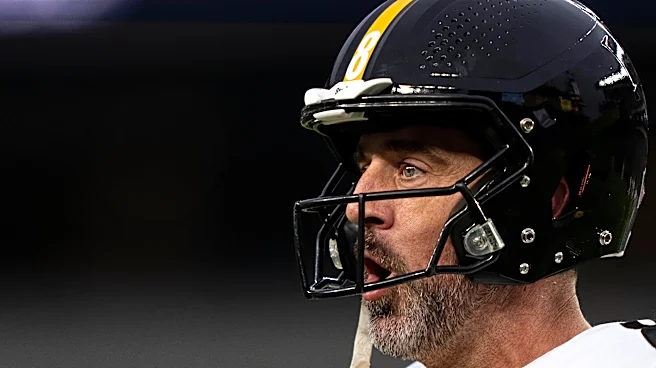
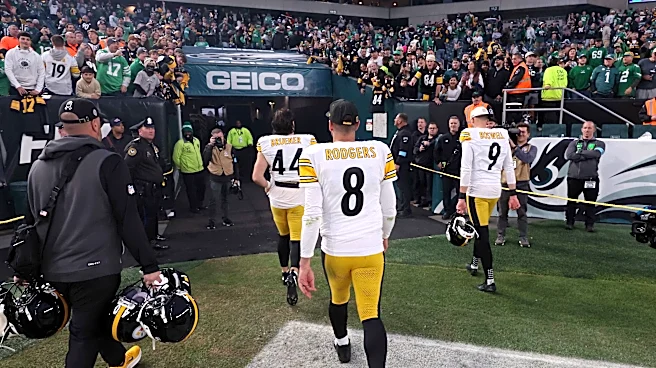
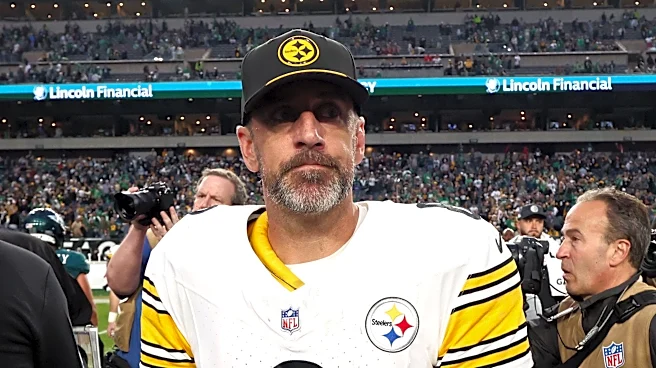
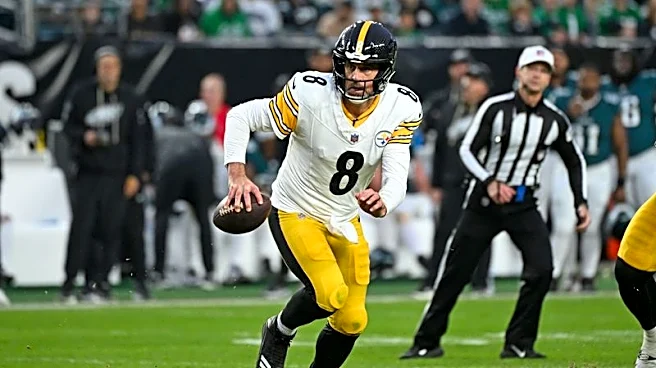
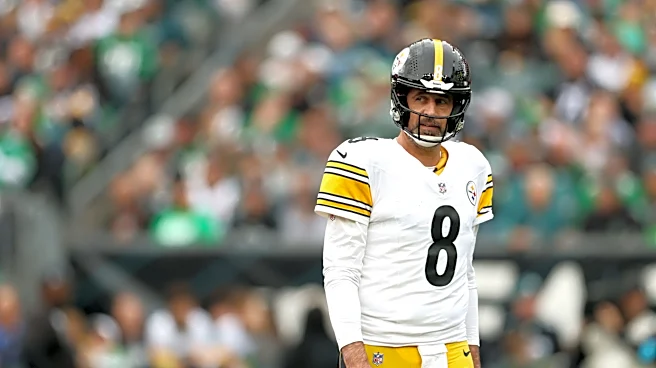
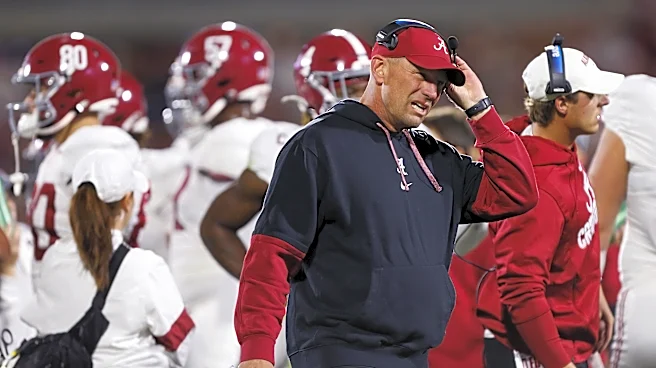
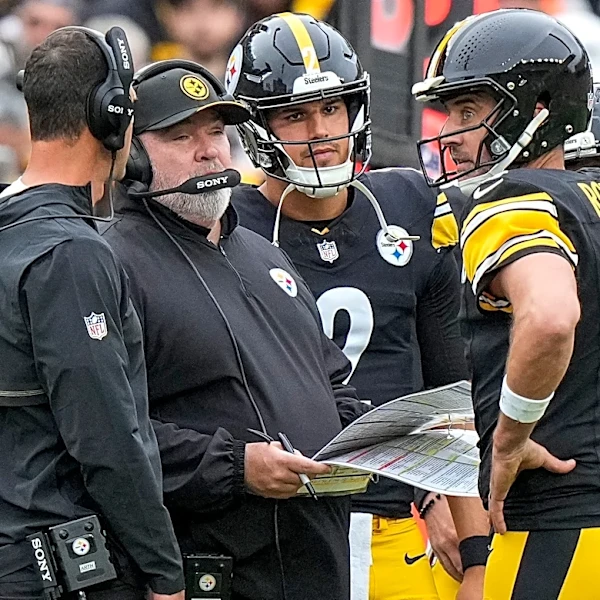
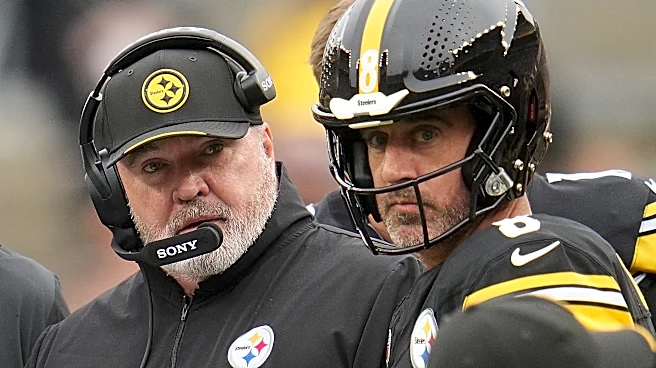
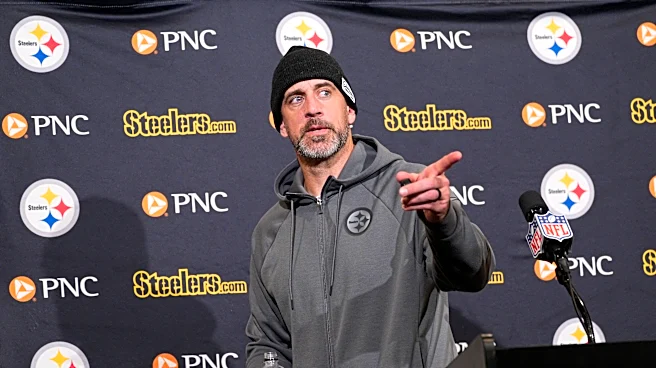
Aaron Rodgers was released by the Pittsburgh Steelers after publicly airing grievances against head coach Mike McCarthy, marking the implosion of their reunion. Rodgers accused McCarthy of repeatedly falling asleep in meetings, missing walkthroughs, and
failing to adequately prepare for games. He claimed he learned of his inactive status for an upcoming game from a teammate, not McCarthy. During an appearance on ESPN's 'The Pat McAfee Show,' Rodgers alleged that similar issues persisted throughout their time together in Green Bay, stating he 'covered for him for a lot of years.' Rodgers also suggested McCarthy harbored resentment over his 2018 firing from the Packers, believing Rodgers was responsible. The breaking point, according to Rodgers, included an incident during a game where McCarthy mistakenly broke the team's huddle by saying, 'One, two, three, Packers.' Rodgers stated he told McCarthy the Steelers would be better off with someone else calling offensive plays and asked to be released if no change was made. McCarthy denied holding a grudge and characterized Rodgers' ultimatum as 'clearly out of his job description.'
Why It's Important?
The public fallout between Aaron Rodgers and Mike McCarthy has significant implications for the NFL, particularly regarding player-coach dynamics and team management. This high-profile dispute highlights the challenges of managing strong personalities and the potential for long-standing tensions to resurface, even after a period of separation and reconciliation. For NFL franchises, the incident underscores the critical importance of clear communication channels between star players and coaching staff, as well as the need for robust conflict resolution mechanisms. The public nature of Rodgers' accusations could influence how other players perceive their relationships with coaches and management, potentially empowering them to voice concerns more openly. Furthermore, the episode raises questions about accountability within professional sports organizations and the impact of internal discord on team performance and public image. The Steelers' decision to release Rodgers, a prominent quarterback, demonstrates a willingness to prioritize team cohesion over individual star power, setting a precedent for how similar situations might be handled in the future.
What's Next?
Following Aaron Rodgers' release, the Pittsburgh Steelers will need to address the immediate void at quarterback, with Mason Rudolph likely stepping into a more prominent role. The team will also face scrutiny regarding its internal culture and how it manages player-coach relationships moving forward. For Mike McCarthy, his coaching tenure with the Steelers will be under intense observation, particularly concerning his leadership style and ability to maintain team unity after such a public dispute. The NFL community will be watching to see how this incident impacts McCarthy's reputation and future coaching prospects. Rodgers, now a free agent, will need to decide his next steps, which could involve seeking another team or potentially considering retirement, given the acrimonious nature of his departure. The long-term effects on both individuals' careers and the Steelers' organizational stability will unfold in the coming months, with potential ripple effects across the league regarding player empowerment and coaching authority.
Beyond the Headlines
The public unraveling of the Rodgers-McCarthy relationship transcends a typical sports dispute, touching upon deeper themes of professional loyalty, perceived betrayal, and the power dynamics inherent in high-stakes environments. Rodgers' claim of 'covering' for McCarthy for years suggests a hidden layer of organizational politics and the pressure on star athletes to maintain a facade of unity. This situation could prompt a broader conversation within professional sports about mental health, the psychological toll of long-term professional relationships, and the ethical responsibilities of both players and coaches to address underlying issues rather than letting them fester. The incident also highlights the pervasive influence of media platforms like 'The Pat McAfee Show' in shaping public narratives and providing direct avenues for athletes to voice their perspectives, bypassing traditional team-controlled communications. This shift in media engagement could fundamentally alter how disputes are managed and perceived in the sports world, emphasizing transparency but also risking increased public drama.