








What's Happening?
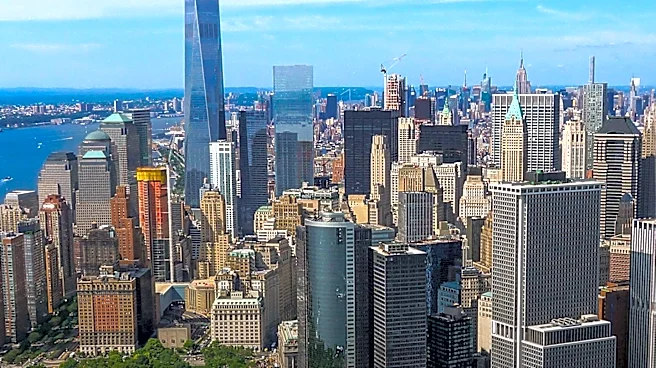
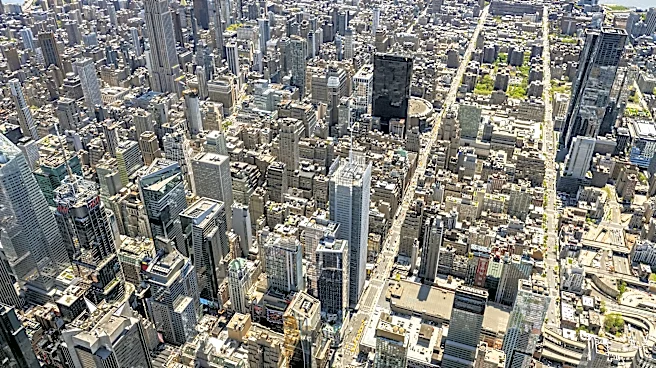
The office vacancy rate in Manhattan has significantly decreased due to the absorption of sublease space by tech and AI firms. According to JLL, sublease inventory in the second quarter of 2026 shrank to below 11 million square feet, less than half of its
late-2022 peak. This decline is driven by the expansion of AI firms, which have signed 21 deals totaling 719,200 square feet, putting the sector on pace to match or exceed last year’s 845,000 square feet. Landlords are increasingly pulling back available sublease space to pursue direct deals at substantially higher rents. Notable deals include AI healthcare platform Tennr, Uber, and Bank of Montreal expanding into former spaces of major companies like Google and WPP.
Why It's Important?
The reduction in sublease space in Manhattan highlights a significant shift in the real estate market, driven by the growth of AI and tech firms. This trend indicates a robust demand for office space in the tech sector, which could lead to increased rental prices and a more competitive market for office space. The absorption of sublease space by AI firms suggests a strong economic impact, potentially leading to increased employment opportunities and economic growth in the region. Additionally, landlords' preference for direct deals at higher rents could reshape leasing strategies and influence future real estate developments.
What's Next?
As AI and tech firms continue to expand, the demand for office space in Manhattan is likely to remain high. This could lead to further increases in rental prices and a continued reduction in available sublease space. Landlords may continue to prioritize direct leasing agreements, potentially leading to a more competitive market for tenants. The ongoing growth of the AI sector could also drive further economic development and job creation in the region, influencing broader economic trends in the real estate market.