






What's Happening?
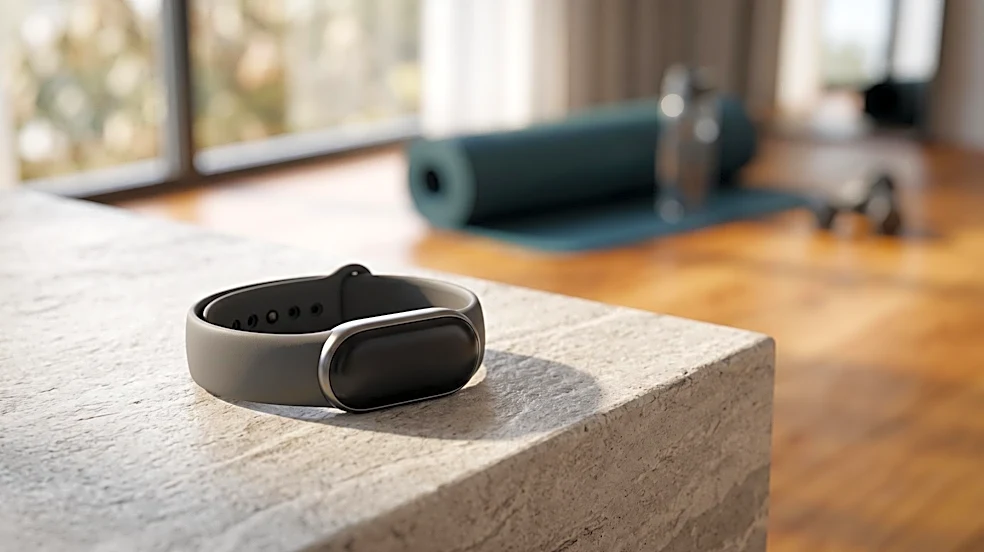
Suunto, a company known for its smartwatches, appears to be developing a new screenless heart rate monitor, codenamed HR264. This development was revealed through a listing found in the UAE's Telecommunications and Digital Government Regulatory Authority
database, with similar listings also appearing in South Korea and Singapore. While specific details such as product name, price, and full feature list remain unknown, certification photos suggest the device is a rechargeable optical band designed for 24/7 recovery tracking, measuring approximately 44mm in height and 30mm in width. This marks Suunto's potential entry into the screenless fitness tracker market, a segment currently seeing growth with devices like the Fitbit Air and Garmin Cirqa. The launch is anticipated to be several months away, and it is speculated that the HR264 might offer recovery tracking without requiring an expensive subscription, a common feature among competitors like Whoop.
Why It's Important?
The potential introduction of Suunto's screenless heart rate monitor could significantly impact the U.S. fitness tracker market by increasing competition and potentially driving innovation. If Suunto offers a device with recovery tracking capabilities without a costly subscription, it could disrupt the business models of existing players like Whoop, which rely on subscription-based services. This could lead to more affordable options for consumers seeking advanced health monitoring features, making such technology accessible to a broader audience. The success of the HR264 would also depend heavily on the quality of its companion app, as the user experience for screenless devices is almost entirely app-dependent. Improved competition in this sector could push all manufacturers to enhance their app functionalities, data accuracy, and overall user experience, benefiting consumers across the U.S. who are increasingly adopting wearable health technology.
What's Next?
The next steps for Suunto involve the official launch of the HR264, which is still estimated to be 'months away.' Leading up to this, more details regarding the device's features, pricing, and exact form factor (whether it's a chest strap, armband, or wrist-worn tracker) are expected to emerge. Suunto will likely focus on refining its smartphone application to ensure a seamless and comprehensive user experience, as this will be crucial for the adoption of a screenless device. Competitors in the fitness tracker market, particularly those with subscription models, will be closely watching Suunto's strategy, especially concerning the potential absence of a mandatory subscription. The market will also observe how the HR264's recovery tracking capabilities compare to established devices and whether its pricing strategy will indeed offer a more cost-effective alternative for consumers.
Beyond the Headlines
Beyond the immediate market implications, Suunto's potential move into screenless, subscription-free recovery tracking could signal a broader shift in the wearable technology industry. There's a growing consumer demand for health monitoring devices that offer advanced insights without recurring costs, challenging the prevalent subscription-based models. This development could encourage other companies to re-evaluate their pricing structures and product offerings, potentially leading to a more consumer-friendly landscape for health and fitness wearables. Furthermore, the focus on 24/7 recovery tracking highlights an increasing emphasis on holistic health management, moving beyond just activity tracking to include crucial aspects like rest and physiological recovery. This trend could foster greater awareness and adoption of proactive health management practices among the U.S. population, integrating advanced health data into daily routines without the barrier of continuous financial commitment.