




What's Happening?
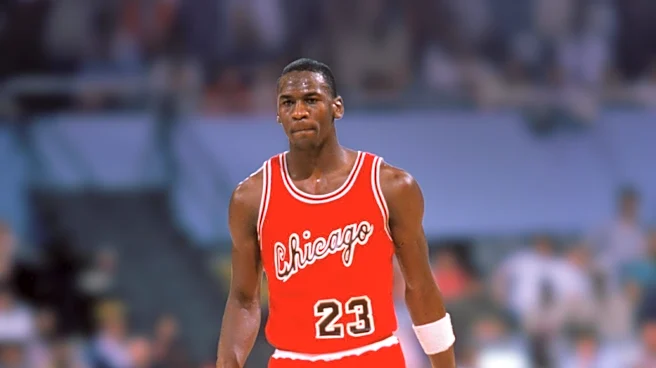
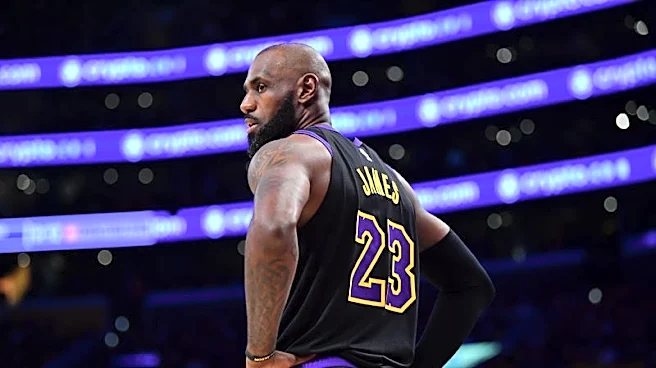
Michael Jordan has addressed the ongoing debate about who is the greatest basketball player of all time (GOAT), a topic that often pits him against other legends like LeBron James and Kobe Bryant. Jordan, a six-time NBA champion, argues that the conversation
is inherently flawed due to the evolution of the game over different generations. He emphasizes that each era has produced its own set of legendary players who have contributed to the sport's development. Jordan specifically mentions Hall of Famers like Oscar Robertson and Jerry West, whom he never played against, as examples of players who laid the groundwork for future stars. He believes that modern players benefit from the advancements in the game and should not be directly compared to their predecessors.
Why It's Important?
Jordan's perspective highlights the challenges in comparing athletes across different eras, a common debate not only in basketball but in many sports. His comments underscore the importance of recognizing the contributions of past players who have shaped the game. This viewpoint could influence how fans and analysts discuss player legacies, potentially shifting the focus from individual accolades to the broader impact on the sport. By acknowledging the achievements of players from all generations, Jordan promotes a more inclusive understanding of basketball history, which could affect how future players are evaluated and celebrated.
What's Next?
While Jordan's comments may not settle the GOAT debate, they could encourage a more nuanced discussion about player legacies. Fans and analysts might begin to place greater emphasis on the historical context of players' achievements. This could lead to a broader appreciation of the sport's evolution and the various factors that contribute to a player's success. Additionally, Jordan's remarks may inspire current and future players to focus on their impact on the game rather than solely on individual accolades.