






What's Happening?
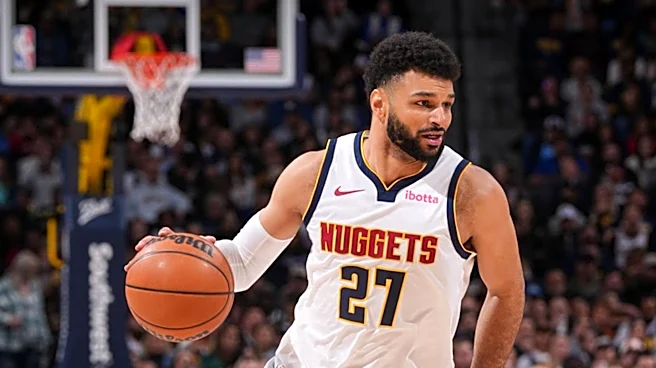
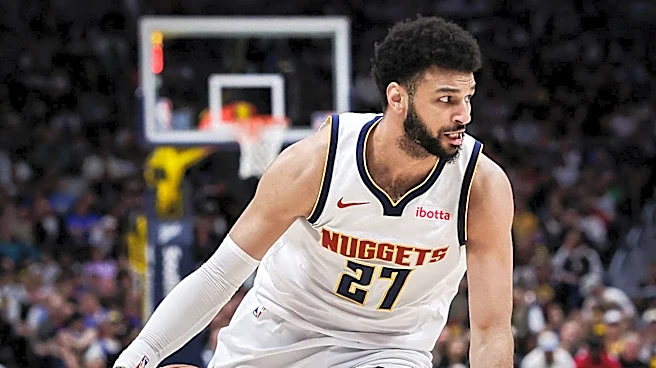
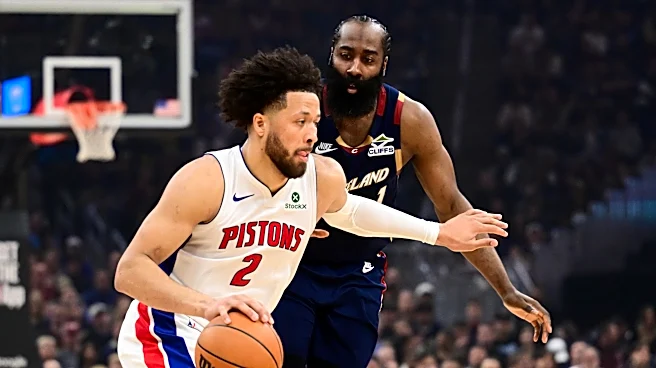
The Detroit Pistons' decision to hold firm on Jalen Duren's contract demands has been validated by the Denver Nuggets' current financial predicament. The Nuggets are facing significant luxury tax penalties after exceeding the second apron, highlighting
the risks of high player salaries. The Pistons are cautious about offering Duren a max contract, as they aim to avoid similar financial constraints. Instead, they are focusing on maximizing returns from more affordable contracts, such as Paul Reed's, to maintain roster flexibility and competitiveness.
Why It's Important?
The Pistons' approach to contract negotiations with Jalen Duren underscores the importance of financial prudence in the NBA. By avoiding excessive salary commitments, the team can maintain flexibility to build a competitive roster without incurring prohibitive luxury tax penalties. The situation with the Nuggets serves as a cautionary tale for other teams, emphasizing the need for strategic financial management. The Pistons' strategy could set a precedent for how teams handle contract negotiations with emerging players.
What's Next?
The Pistons will continue to negotiate with Jalen Duren, seeking a mutually beneficial agreement that aligns with their financial strategy. The team will also focus on developing their roster and maximizing the potential of their current players. As the NBA landscape evolves, the Pistons' approach to contract management will be closely watched by other teams and analysts. The outcome of these negotiations will have implications for the team's competitiveness and financial health in the coming seasons.