






What's Happening?
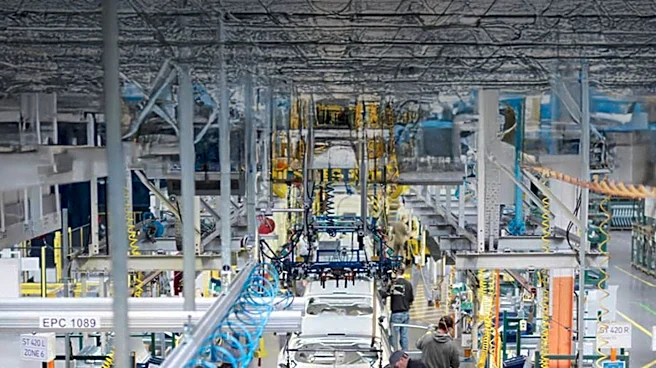
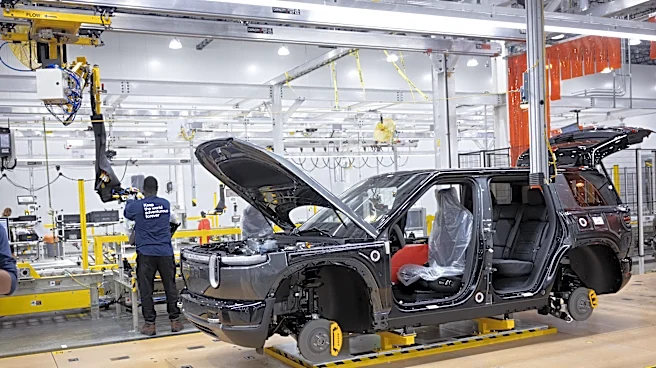
Automotive manufacturers are increasingly integrating advanced manufacturing technologies to enhance sustainability. Companies like BMW are employing AI-driven energy management, real-time waste monitoring, and circular design principles to improve environmental
performance. These technologies enable manufacturers to optimize energy usage, reduce waste, and implement closed-loop recycling systems. For instance, BMW's partnership with SK tes focuses on recycling critical battery materials, while the Car2Car project explores innovative dismantling methods for end-of-life vehicles. These initiatives reflect a shift towards embedding sustainability directly into production operations.
Why It's Important?
The adoption of advanced manufacturing technologies is crucial for the automotive industry's transition towards sustainability. By reducing energy consumption and waste, manufacturers can lower operational costs and carbon footprints. Circular economy principles, such as closed-loop recycling, enhance supply chain resilience and reduce dependence on raw materials. As regulatory pressures and consumer demand for sustainable products increase, these technologies provide a competitive edge by aligning environmental objectives with business performance.
What's Next?
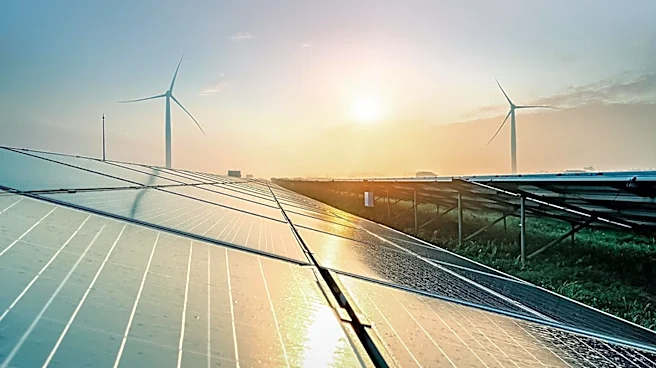
The automotive industry is expected to continue its focus on sustainability through technological innovation. Manufacturers may further integrate digital tools and AI to enhance transparency and efficiency across production networks. The use of renewable energy sources and circular material flows is likely to expand, supporting the industry's decarbonization goals. As sustainability becomes a strategic priority, companies will need to balance technological advancements with regulatory compliance and stakeholder expectations.