


What's Happening?
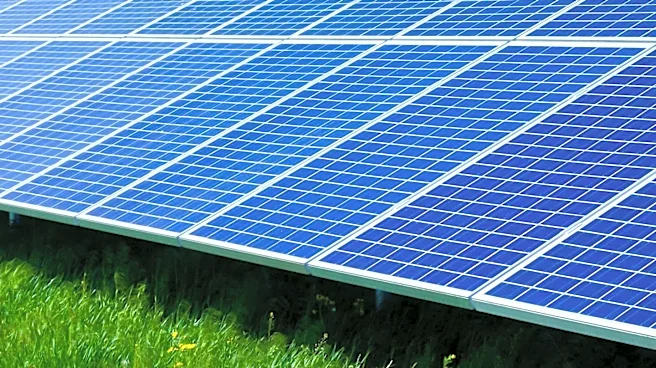
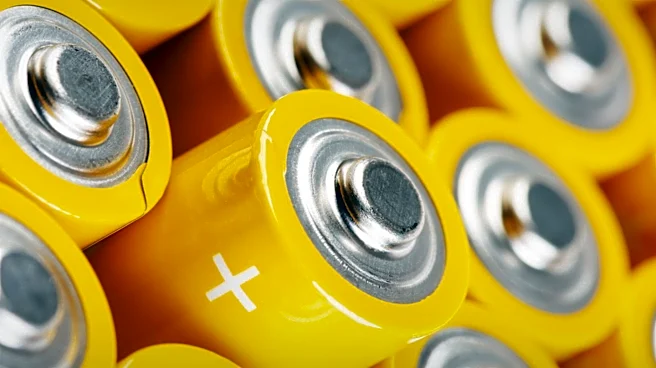
Utilities are increasingly adopting flexible interconnection agreements to manage the integration of renewable energy sources and large loads like data centers. This approach allows grid operators to actively manage resources, such as large-scale batteries,
to maintain grid stability and integrate more capacity. The strategy involves using software-driven automation to monitor network conditions and dynamically adjust resources, optimizing for both reliability and economics. This shift is crucial for balancing the rising demand and variable generation in the modern power grid.
Why It's Important?
The transition to a more flexible grid is essential for accommodating the growing demand for renewable energy and the increasing power needs of data centers. By adopting flexible interconnection agreements, utilities can efficiently integrate more renewable resources without costly infrastructure upgrades. This approach not only enhances grid reliability but also supports the transition to a more sustainable energy system. The ability to dynamically manage resources in real-time is critical for optimizing grid operations and ensuring a stable power supply.
What's Next?
Utilities are expected to continue expanding their use of flexible interconnection agreements and advanced grid management systems. This will involve further investment in software-driven automation and the development of new strategies for integrating distributed energy resources. As the energy landscape evolves, utilities will need to adapt their operational strategies to meet the challenges of increased demand and renewable integration. The ongoing development of distributed energy resource management systems (DERMS) will play a key role in enabling this transition.