




What's Happening?
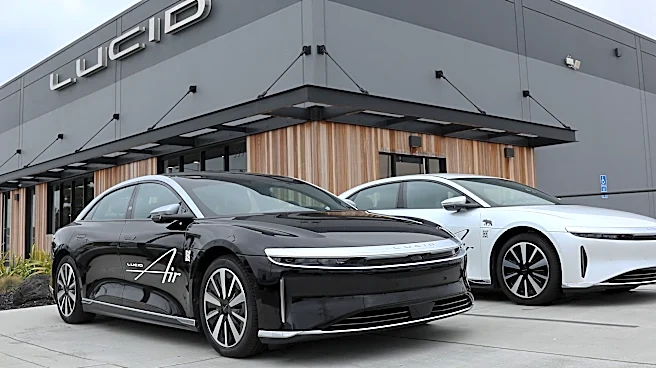
Lucid Group, an electric vehicle (EV) manufacturer, is implementing a hybrid retail strategy in Europe to expand its market reach and address customer concerns regarding service and support. This approach involves partnering with established local retailers
alongside its own Lucid Studio and Service Centers. For instance, Lucid recently named Munsterhuis Autobedrijven as its first retail partner in the Netherlands, which will establish a dedicated Lucid sales location in Hengelo and provide authorized after-sales and service. This complements Lucid's existing facility in Hilversum. This strategy builds upon a similar partnership with Germany's Wackenhut. The company aims to leverage the local relationships and sales experience of these independent partners to make its high-ticket EV purchases more appealing to potential buyers who might be hesitant due to perceived lack of nearby support. This move is seen as a way to expand customer access without the sole burden of building out an extensive retail presence from the ground up.
Why It's Important?
This strategic shift by Lucid Group is significant for its growth trajectory in the competitive EV market. By partnering with local distributors, Lucid can potentially overcome a major hurdle for consumers considering a premium EV: the availability of convenient sales and service. For shareholders, this strategy offers a path to expand customer access and sales volume while sharing the operational costs and responsibilities of building a retail network. This could lead to increased sales efficiency and a stronger market presence in Europe, which is a key region for EV adoption. The ability to offer localized support can build consumer confidence and reduce the perceived risk associated with purchasing from a relatively young EV manufacturer. This approach could also free up Lucid's capital, allowing it to focus on other critical areas like vehicle development and production.
What's Next?
Lucid Group is expected to continue expanding this hybrid retail model across Europe, seeking additional independent partners to complement its existing direct-to-consumer locations. The success of these initial partnerships in the Netherlands and Germany will likely dictate the pace and scale of future expansions. If successful, this strategy could lead to a more rapid penetration of European markets for Lucid, potentially increasing its sales figures and market share. Other EV manufacturers, particularly newer entrants, may observe Lucid's approach and consider similar strategies to overcome distribution and service challenges. The company will need to carefully manage these partnerships to ensure brand consistency and service quality, as sharing economics with retail partners means keeping less from each sale.
Beyond the Headlines
The adoption of a hybrid retail strategy by Lucid Group highlights a broader trend in the automotive industry, particularly within the EV sector, where traditional direct sales models are being re-evaluated. While many EV startups initially favored a direct-to-consumer approach, the complexities of scaling sales and service infrastructure globally are pushing some towards more collaborative models. This strategy could signal a more pragmatic approach to market expansion, acknowledging the value of established local networks and expertise. It also raises questions about the long-term balance between direct sales and dealership models in the evolving automotive landscape. For consumers, it could mean greater accessibility and convenience for EV purchases, potentially accelerating the transition to electric vehicles by addressing practical concerns beyond just the vehicle's performance.