






What's Happening?
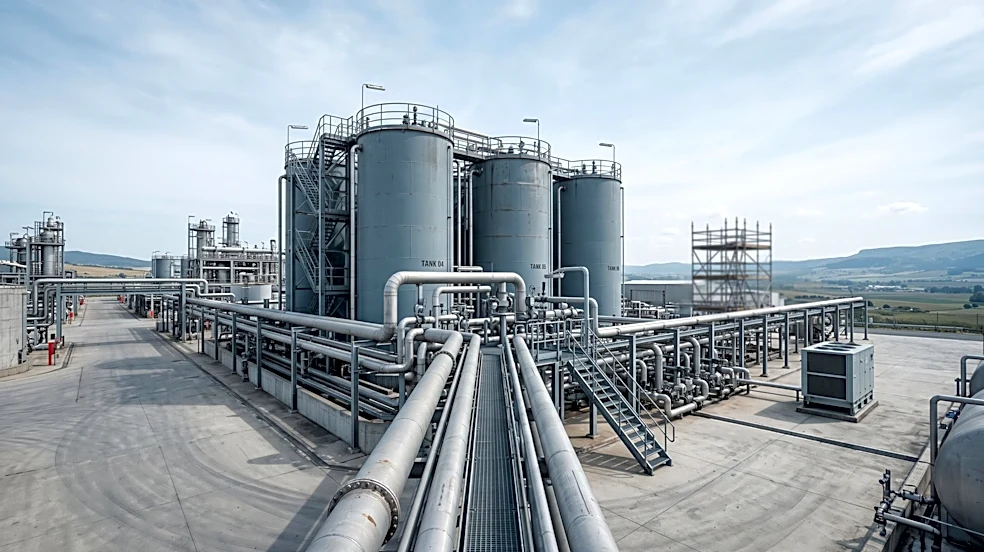
Mosaic, a major fertilizer company, is laying off 199 workers at its South Fort Meade facility in Polk County, Florida, with the phosphate operation expected to be idled by December 8. This decision stems from an acute global shortage of sulfur, a critical
raw material for producing phosphoric acid fertilizer. The shortage has been exacerbated by Middle Eastern conflicts and disruptions in maritime trade through the Strait of Hormuz, causing global sulfur prices to surge from a historical range of $100-$300 per metric ton to over $1,000 per ton. Mosaic's vice president, Ron Yasurek, submitted a Worker Adjustment and Retraining Notification (WARN) letter, indicating that the shutdown is expected to last more than six months. Hourly employees, represented by Local 814C of the International Chemical Workers Union Council, have bumping rights into other company positions.
Why It's Important?
These layoffs at Mosaic's South Fort Meade plant have significant implications for the U.S. fertilizer industry and agricultural sector. The idling of a major phosphate operation due to global supply chain disruptions highlights the vulnerability of domestic production to international geopolitical events and commodity price volatility. Reduced domestic fertilizer output could lead to increased input costs for American farmers, potentially impacting food prices and agricultural competitiveness. Furthermore, the job losses represent a substantial economic blow to Polk County, a region heavily reliant on industrial employment. The situation also underscores the broader federal scrutiny of the fertilizer industry, with ongoing antitrust inquiries into pricing and supply practices, raising questions about market concentration and its effects on farmers.
What's Next?
The South Fort Meade plant is expected to remain idled for over six months, with a small team maintaining the site until market conditions improve. Mosaic plans to evaluate alternative sulfur suppliers to facilitate a restart, but no firm reopening date has been set. The company's ability to secure stable and affordable sulfur supplies will be crucial for the plant's future. The layoffs will likely prompt affected workers to exercise their bumping rights or seek new employment, potentially impacting local labor markets. The broader fertilizer industry will continue to face challenges from global sulfur supply chains and ongoing federal antitrust investigations. The impact on spring input costs for American farmers will be closely monitored, as will the potential for further production cuts or price increases across the sector.
Beyond the Headlines
The Mosaic layoffs reveal deeper systemic issues related to globalized supply chains and their susceptibility to geopolitical instability. The reliance on sulfur as a byproduct of oil and gas refining links the fertilizer industry directly to energy markets and international conflicts, illustrating how seemingly distant events can have profound local economic consequences. This situation also brings to light the delicate balance between environmental regulations, industrial production, and economic stability. The long-term implications could include a re-evaluation of domestic sourcing strategies for critical raw materials, increased investment in alternative fertilizer production methods, or greater government intervention to stabilize essential industries. The event also highlights the ongoing tension between corporate profitability and the economic well-being of local communities and workers.