






What's Happening?
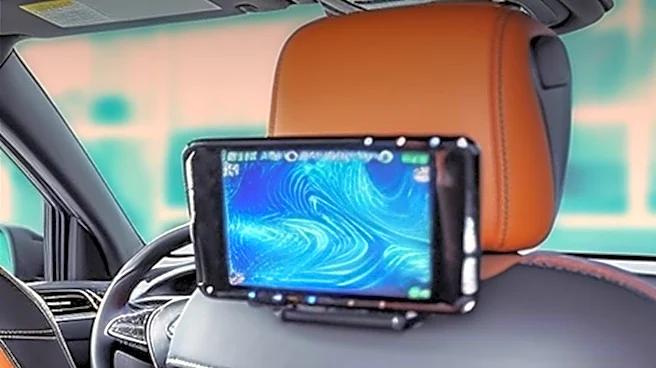
A recent study by JD Power indicates that a substantial portion of passenger screens in vehicles are rarely, if ever, used by owners. The survey, which included 68,084 owners, found that 35% of those with a passenger screen have never activated it. Furthermore,
only 6% of owners reported using the screen every time they drive. The study also highlighted that infotainment systems equipped with passenger screens are a significant source of complaints, generating 21.3 problems per 100 vehicles. In contrast, simpler features such as smart ignition, climate control, and driver preferences received higher satisfaction ratings and fewer reported issues. This data suggests a disconnect between the features manufacturers are implementing and the actual utility and satisfaction experienced by vehicle owners.
Why It's Important?
This report from JD Power carries significant implications for the automotive industry and consumer technology integration. The high rate of non-usage and reported problems with passenger screens suggests that manufacturers may be investing in features that do not meet consumer needs or expectations, leading to wasted resources and potential customer dissatisfaction. This trend could influence future vehicle design and development, prompting carmakers to re-evaluate the necessity and implementation of complex infotainment systems. The findings also align with concerns raised by organizations like Euro NCAP, which has begun awarding points for physical controls over touchscreens due to safety considerations related to driver distraction. This could lead to a shift back towards more tactile controls in vehicles, impacting both user experience and safety standards across the industry.
What's Next?
The findings from JD Power, coupled with regulatory pressures from bodies like Euro NCAP, are likely to prompt automotive manufacturers to reassess their approach to in-car technology. We may see a trend towards simplifying infotainment systems, potentially reducing the number of screens or integrating them more intuitively. Manufacturers might also focus on improving the reliability and user-friendliness of existing systems to reduce the reported problems. The emphasis on physical controls by Euro NCAP could lead to a resurgence of buttons and dials for essential functions, balancing technological advancement with practical usability and safety. This could also influence consumer purchasing decisions, with buyers potentially prioritizing vehicles that offer a more straightforward and less distracting user interface.
Beyond the Headlines
The issue of underutilized and problematic passenger screens in vehicles extends beyond mere convenience; it touches upon broader themes of technological adoption, user interface design, and consumer behavior. The data suggests that simply adding more technology does not automatically equate to a better user experience or increased value. There's a deeper implication regarding the 'feature bloat' in modern products, where companies add numerous functionalities without fully understanding their practical application or potential for user frustration. This situation also highlights the ongoing tension between technological innovation and human-centered design, particularly in safety-critical environments like automobiles. The push for physical controls by regulatory bodies underscores a growing recognition that intuitive, non-distracting interfaces are paramount, potentially influencing design philosophies across various industries that integrate complex digital systems into everyday objects.