





What's Happening?
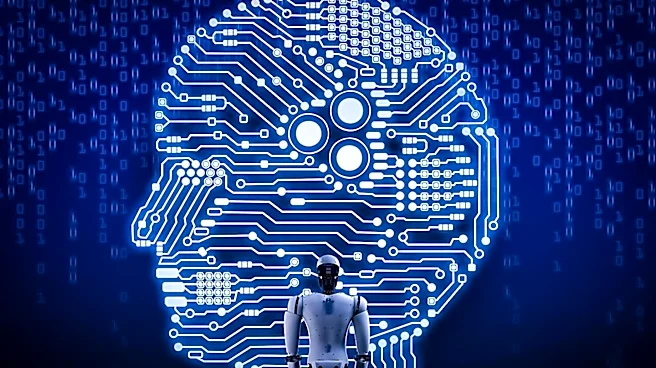
Shares in major technology companies like Oracle, Nvidia, and Apple, which are heavily invested in artificial intelligence (AI), have been under pressure recently. This pressure has extended to their bonds, leading to an increase in the cost of insuring
these companies' debt against default through credit default swaps (CDS). The rising CDS costs reflect investor concerns about the timeline for returns on the substantial investments being made in AI. Despite significant earnings, the high costs associated with AI development have not reassured investors about the sustainability of future returns. The demand for AI-linked CDS has surged, indicating a heightened perception of risk among investors.
Why It's Important?
The increase in CDS costs for AI-focused companies highlights broader market apprehensions about the financial viability of large-scale AI investments. This development could impact the ability of these companies to raise funds in the future, potentially slowing down AI innovation and deployment. Investors are wary of the high costs and uncertain returns, which could lead to more cautious investment strategies. This situation underscores the financial risks associated with rapid technological advancements and the need for clear pathways to profitability. The tech sector's reliance on debt to fund AI projects may face challenges if investor confidence continues to wane.
What's Next?
If investor concerns persist, technology companies may need to adjust their strategies, possibly by scaling back on AI investments or finding alternative funding sources. Companies might also focus on demonstrating clearer paths to profitability to reassure investors. Additionally, the financial markets will likely monitor the CDS market closely for further signs of stress, which could influence broader economic conditions. Stakeholders, including policymakers and industry leaders, may need to address these concerns to maintain momentum in AI development.