
What's Happening?
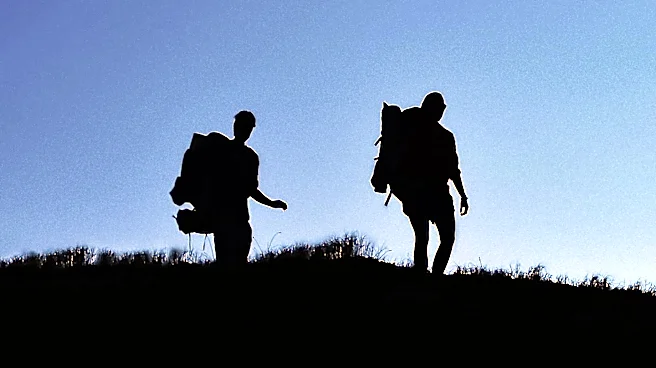
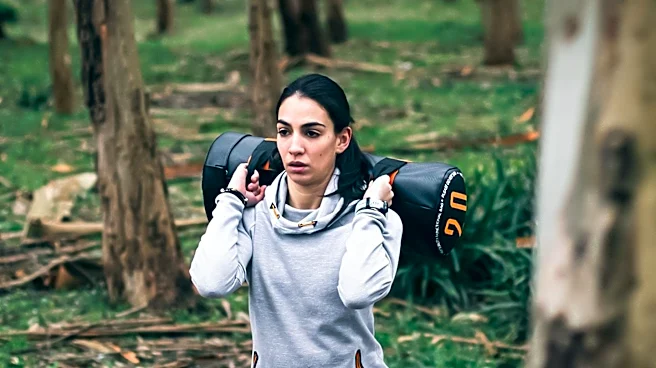
Rucking, defined as walking with a loaded backpack, is gaining traction as an accessible fitness activity. This exercise combines the health benefits of walking, such as reducing the risk of early death, with added intensity without the high impact of running.
The energy expenditure in rucking increases with the load carried, speed, terrain, and incline. It is noted for its ability to build leg power and strength, with studies showing weighted stair climbing improving leg power in older adults and weighted vest training enhancing strength, power, and balance in older women. Rucking has military origins, where soldiers have marched with loads for thousands of years, and has been adopted by civilians as a simple yet demanding way to exercise. It requires minimal equipment, often just a sturdy backpack with household items for weight, and can be done in various environments, including at home on stairs or a treadmill.
Why It's Important?
The rise of rucking as a fitness trend holds significant importance for public health and the fitness industry in the U.S. Its accessibility, requiring no gym membership or specialized skills, makes it an inclusive option for a broad demographic, including those who find high-impact exercises challenging. This could lead to increased physical activity levels across the population, addressing concerns about sedentary lifestyles. For the fitness industry, rucking presents new opportunities for product development, such as specialized backpacks and weights, and for creating community-based events and training programs. Its emphasis on functional strength and endurance, coupled with its low-impact nature, positions rucking as a sustainable long-term fitness solution that can contribute to improved overall health and well-being for many Americans.
What's Next?
As rucking continues to grow in popularity, several developments are anticipated. We can expect to see an increase in rucking-focused groups and events across the U.S., fostering a sense of community among participants. Fitness brands may introduce more specialized rucking gear, including ergonomically designed backpacks and adjustable weights, to cater to the growing demand. There could also be a rise in online resources, training programs, and coaching services dedicated to rucking, offering guidance on proper technique, load progression, and injury prevention. Furthermore, as more research emerges on the specific benefits of rucking, it may become more formally recognized within the broader fitness and wellness landscape, potentially influencing public health recommendations for physical activity.
Beyond the Headlines
Beyond its physical benefits, rucking embodies a deeper connection to resilience and mental fortitude, echoing its military roots. The act of deliberately carrying a heavy load over distance can cultivate mental toughness, discipline, and a sense of accomplishment. In a society often seeking instant gratification, rucking offers a return to a more primal, sustained effort, promoting patience and perseverance. It also encourages engagement with the outdoors, providing a respite from screen-dominated lives and fostering an appreciation for natural environments. This trend reflects a growing desire for authentic, challenging experiences that offer both physical and psychological rewards, contributing to a more holistic approach to personal well-being and a renewed appreciation for simple, yet effective, forms of exercise.