




What's Happening?
Alabama Power has filed with the Alabama Public Service Commission to reduce customer rates by $160 million, effective with January 2027 bills. This reduction means a residential customer using 1,000 kilowatt-hours per month will save over $50 annually
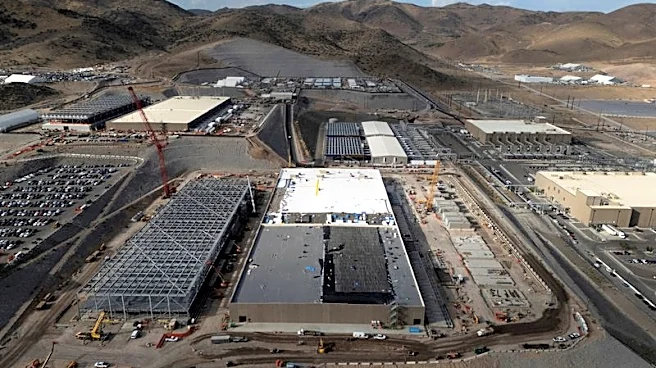
compared to current rates. The savings will vary based on electricity consumption; for instance, a home using 2,000 kilowatt-hours per month could save approximately $106 per year, while one using 750 kilowatt-hours per month would save about $40 annually. This rate decrease comes at a time when national energy costs are generally rising, with household electricity prices increasing by 4.4% over the 12 months ending September 2026, according to the U.S. Bureau of Labor Statistics. The company attributes this reduction primarily to increased revenue anticipated in 2027 from large-load data centers, stating that these centers will cover their full energy costs, thereby lowering the cost for other customers. The rate reduction is a result of the yearly review of Alabama Power’s rates under the Rate Stabilization and Equalization (RSE) mechanism set by the Alabama Public Service Commission, and the new lower rate is projected to remain at or below this level through 2028.
Why It's Important?
This rate reduction by Alabama Power is significant for its 1.6 million customers across the state, offering tangible financial relief amidst a period of rising energy costs nationwide. While other electric and gas utilities across the U.S. requested over $23 billion in rate increases during the first nine months of 2026, Alabama Power has frozen rates and is now implementing a decrease. This move directly impacts household budgets, providing savings that can be reallocated to other expenses or savings. The company's strategy of leveraging growth from large-load data centers to subsidize rates for other customers presents a model for how utility providers can manage costs and benefit their broader customer base. This approach suggests a potential shift in how new industrial growth can be integrated into existing utility frameworks to create broader economic advantages for residential consumers, potentially influencing future rate-setting discussions and utility investment strategies in other regions facing similar energy cost pressures.
What's Next?
Beginning in January 2027, Alabama Power customers will automatically see lower rates reflected on their monthly bills, without needing to take any action. The rate reduction, established under the Rate Stabilization and Equalization (RSE) framework, is designed to remain at or below the new lower level through 2028, providing a period of predictable savings for consumers. The company will continue its yearly review process under RSE, which could lead to further adjustments in the future, though the current reduction is locked in for the next two years. Customers can monitor their electricity usage and estimate upcoming bills through Alabama Power’s 'My Power Usage' tool. The success of this model, where large-load data centers contribute to lowering costs for other customers, may encourage other utilities to explore similar growth-pays-for-growth strategies, potentially influencing future infrastructure development and rate negotiations across the utility sector.
Beyond the Headlines
The decision by Alabama Power to lower rates, driven by increased revenue from large-load data centers, highlights a potentially evolving dynamic in the utility sector. This strategy suggests a future where the energy demands of rapidly expanding industries, such as data centers, can be structured to benefit residential consumers rather than solely increasing overall system costs. It raises questions about how other states and utility providers might adapt similar models to manage energy costs and promote economic development simultaneously. Furthermore, this development underscores the growing importance of data centers as significant energy consumers and their potential role in shaping regional energy economics. The long-term implications could include a re-evaluation of how industrial growth is integrated into utility planning, potentially leading to more equitable cost distribution and innovative financing models for energy infrastructure development across the nation.