





What's Happening?
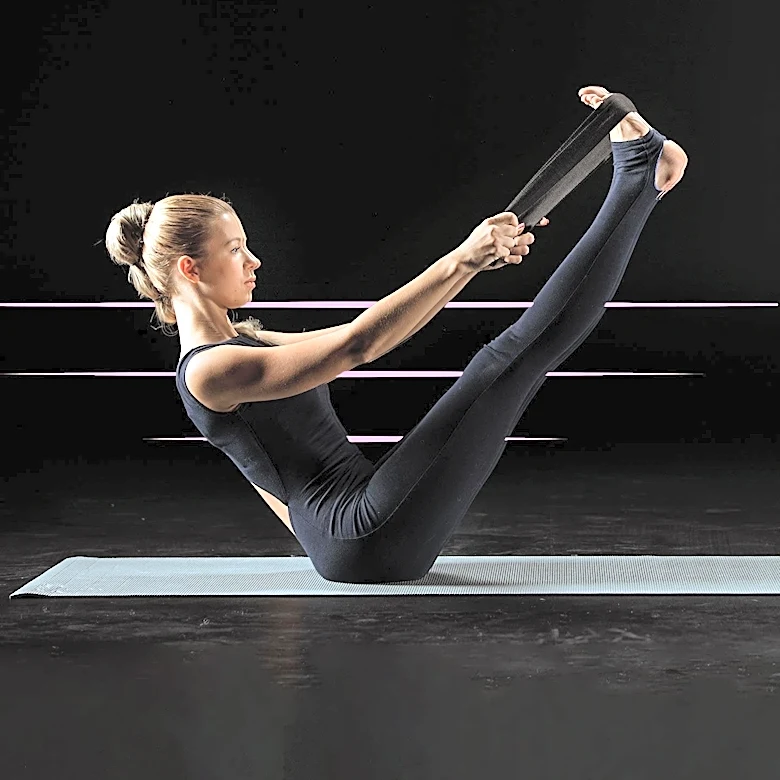
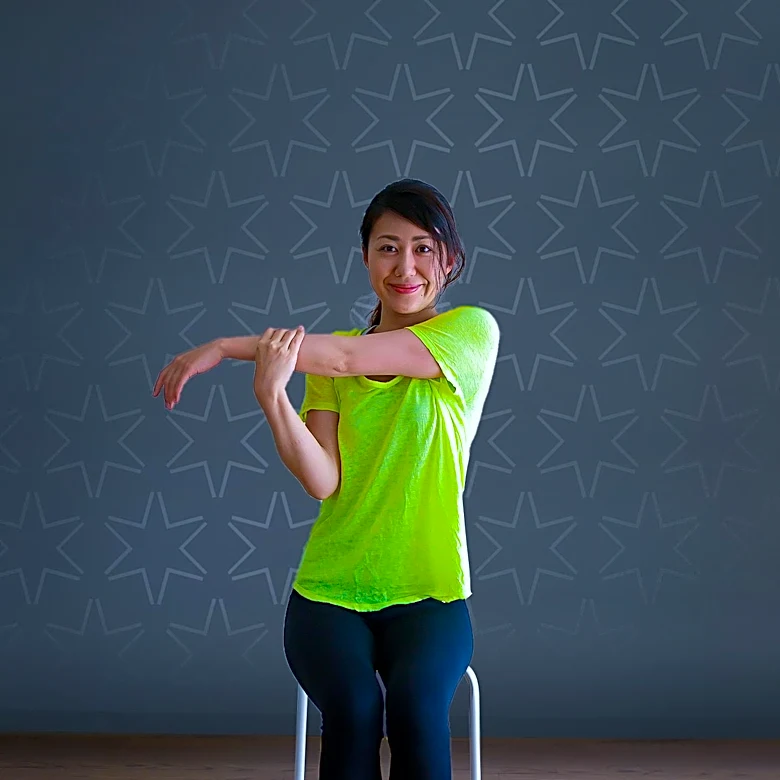
Prenatal workouts are increasingly recognized for their benefits in supporting a healthy pregnancy and aiding postpartum recovery. These workouts typically include low-impact exercises such as walking, swimming, stationary cycling, and prenatal yoga,
which are designed to improve mood, sleep, and circulation. They also help in managing weight gain and preparing the body for labor and delivery. A prenatal personal trainer can tailor these exercises to accommodate the specific needs of each trimester and address pregnancy-related conditions like pelvic pain or diastasis recti. The Centers for Disease Control and Prevention (CDC) recommends at least 150 minutes of moderate-intensity aerobic activity weekly for healthy pregnant and postpartum women. This guidance underscores the importance of consistent fitness during pregnancy.
Why It's Important?
The significance of prenatal workouts lies in their ability to enhance both physical and mental health during pregnancy. Regular exercise can reduce the risk of gestational complications, improve cardiovascular health, and support muscle tone and stamina, which are crucial for labor and delivery. Additionally, these workouts can alleviate common pregnancy discomforts and contribute to faster postpartum recovery. By engaging in safe, guided physical activity, expectant mothers can also experience improved mood and reduced anxiety, which are vital for overall well-being. The role of a certified prenatal personal trainer is crucial in ensuring that exercises are performed safely and effectively, minimizing risks and maximizing benefits.
What's Next?
As awareness of the benefits of prenatal workouts grows, more expectant mothers may seek the guidance of certified prenatal personal trainers. This trend could lead to an increased demand for specialized fitness programs tailored to the needs of pregnant women. Healthcare providers and fitness professionals may collaborate to develop comprehensive prenatal fitness plans that integrate with overall prenatal care. Additionally, ongoing research and education about the safety and efficacy of prenatal workouts could further refine guidelines and recommendations, ensuring that pregnant women receive the best possible support for their health and well-being.