


What's Happening?
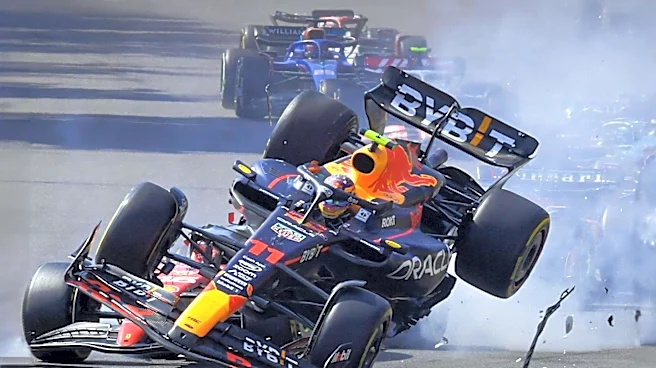
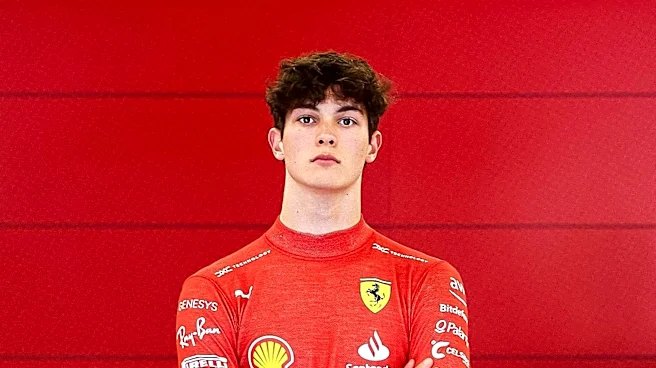
Oliver Bearman, a Formula 1 driver for the Haas F1 Team, has expressed significant dissatisfaction with a 10-second penalty he received during the United States Grand Prix. The penalty was issued following a collision with Pierre Gasly of Alpine on the second lap
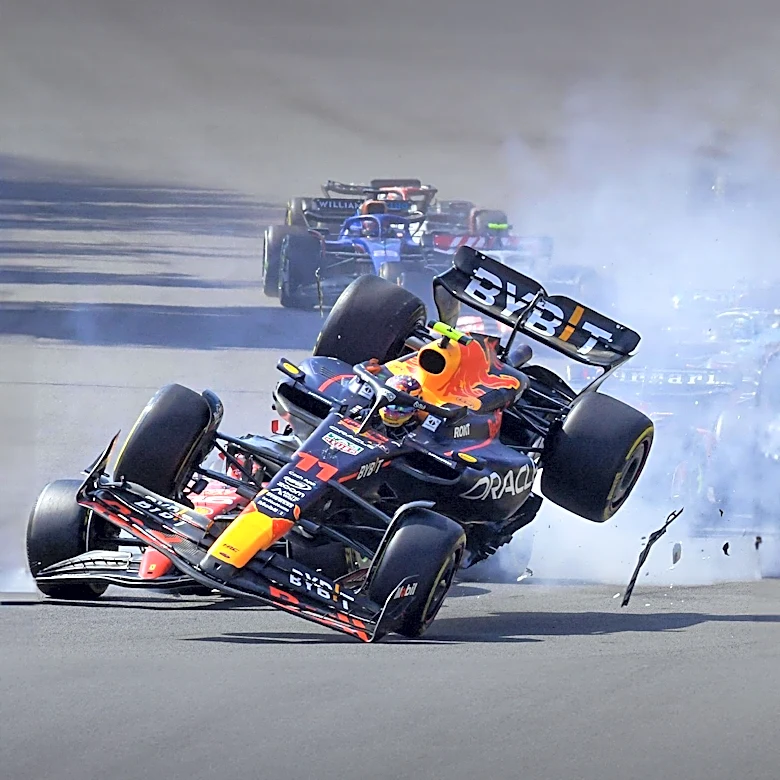
of the Austin race. Bearman, who had gained two positions on the opening lap, attempted an overtake on Gasly in Turn 13. He stated that he felt he had sufficient car alongside to warrant space, but Gasly did not provide it, leading to contact. Bearman claimed he was climbing onto the kerb to avoid the collision but 'couldn't disappear' once committed to the move. He described the 10-second penalty as 'crazy' and 'very excessive,' especially when compared to other incidents in the season that received lesser or no penalties. The contact, though seemingly minor, caused significant floor damage to both cars, ultimately forcing Bearman to retire from the race on lap 24 due to the car's deteriorating condition and safety concerns.
Why It's Important?
This incident highlights ongoing concerns within Formula 1 regarding the consistency and severity of stewarding decisions, particularly in racing incidents. Bearman's strong reaction, calling the penalty 'crazy' and 'very excessive,' reflects a sentiment among some drivers and fans that penalties can be arbitrary or disproportionate. Such inconsistencies can impact race outcomes, driver standings, and team strategies, potentially influencing championship battles. For Haas, Bearman's retirement due to the damage and penalty represents a lost opportunity for points, which are crucial in the constructors' standings, especially in their competition with teams like Audi. The damage sustained by both cars also incurs financial costs for repairs and can affect development timelines. Furthermore, the debate over racing incidents versus avoidable collisions directly influences how drivers approach overtakes and defensive maneuvers, shaping the competitive dynamics of the sport.
What's Next?
Following Bearman's public criticism, the FIA and Formula 1 stewards may face increased scrutiny regarding their penalty system and decision-making process. While immediate changes are unlikely, such vocal discontent from drivers often fuels discussions among teams and governing bodies about refining regulations and ensuring more consistent application. Bearman will likely continue to advocate for what he perceives as fairer judgments in future incidents. For Haas, the focus will be on repairing the damage to Bearman's car and preparing for upcoming races, while also potentially engaging in discussions with the FIA about the incident. The broader conversation about stewarding consistency is expected to persist, with potential implications for how racing incidents are judged in future Grand Prix events, including those held in the U.S.
Beyond the Headlines
The controversy surrounding Bearman's penalty extends beyond the immediate race result, touching upon the philosophical debate within motorsport about the balance between aggressive racing and driver safety. Drivers are constantly pushing limits, and the line between a 'racing incident' and a 'culpable collision' can be subjective. This incident underscores the challenge faced by stewards in making real-time decisions that are fair, consistent, and do not stifle competitive driving. The perception of inconsistent penalties can erode trust in the officiating body and lead to frustration among competitors and fans. It also raises questions about the role of technology and data in aiding stewarding decisions, and whether current methods are sufficient to capture the nuances of high-speed racing interactions. Ultimately, such incidents contribute to the ongoing evolution of Formula 1's sporting regulations and the quest for a universally accepted standard of fair play.