






What's Happening?
The U.S. Environmental Protection Agency's (EPA) upcoming MY2027 emissions regulations are prompting significant changes in the trucking industry, particularly concerning Class 8 truck powertrains. As diesel fuel costs rise, fleet operators are exploring
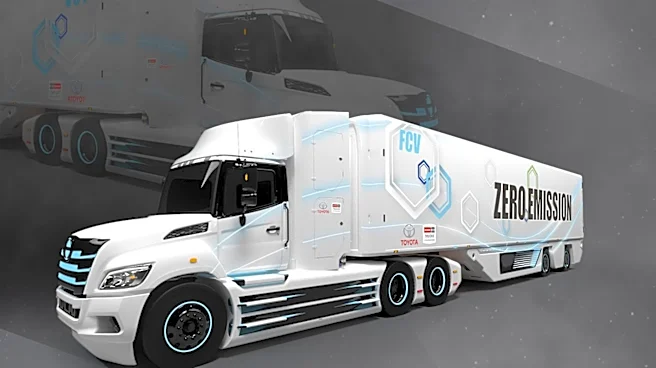
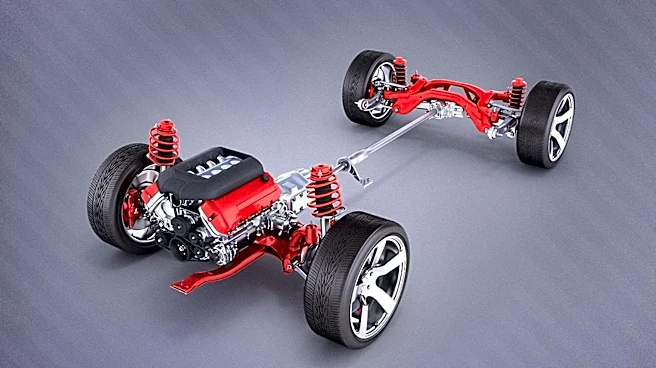
alternative powertrains, including natural gas and electric options, to comply with new emissions standards and manage operational costs. Engine manufacturers are redesigning diesel engines to meet these regulations, focusing on reducing nitrogen oxides (NOx) emissions. Companies like Cummins are developing platforms to achieve ultra-low NOx emissions while maintaining cost-effectiveness for fleet operators.
Why It's Important?
The shift in powertrain technology is crucial for the trucking industry as it seeks to balance regulatory compliance with economic viability. The rising cost of diesel fuel, coupled with stringent emissions standards, is driving innovation and investment in alternative powertrains. This transition could lead to a more sustainable and environmentally friendly trucking industry, reducing the sector's carbon footprint. However, the financial implications for fleet operators are significant, as they must weigh the costs of new technology against potential savings in fuel and maintenance. The industry's response to these challenges will have broader implications for U.S. transportation and logistics sectors.
What's Next?
As the MY2027 regulations approach, fleet operators and manufacturers will continue to explore and invest in alternative powertrains. The development and adoption of new technologies will likely accelerate, with a focus on achieving emissions targets without compromising operational efficiency. Policymakers may also play a role in facilitating this transition through incentives and support for research and development. The trucking industry will need to navigate these changes carefully to ensure a smooth transition that benefits both the environment and the economy.