



What's Happening?
Ford Motor Company has commenced shipping its first lithium iron phosphate (LFP) prismatic battery cells from its BlueOval battery plant in Marshall, Michigan. These cells are destined for the company's Louisville, Kentucky, assembly plant, where they
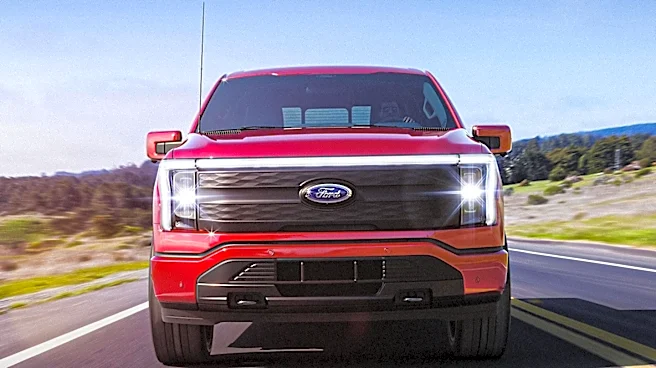
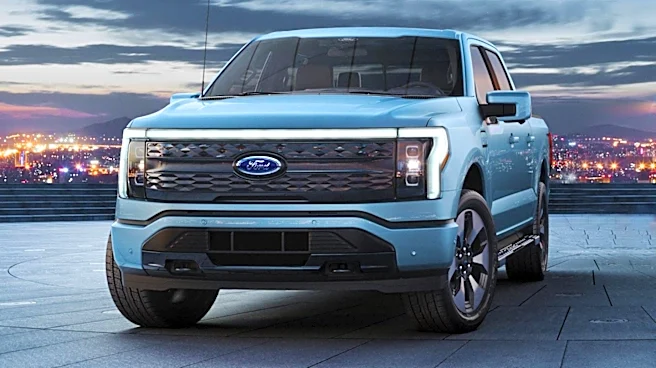
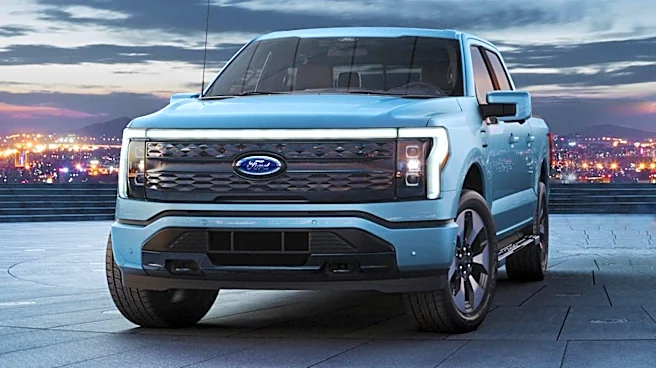
will be integrated into the next-generation Fathom electric pickup. This development marks Ford's official entry into battery manufacturing, as stated by CEO Jim Farley. The approximately $3 billion plant, spanning 2 million square feet, began cell production in October and is now shipping them. Ford reports that its cell assembly line can produce 40 cells per minute, making it one of the fastest LFP prismatic cell assembly lines outside China. The plant has a planned annual capacity of about 20 gigawatt-hours, a reduction from earlier plans due to slower-than-expected EV demand, though output can be increased if needed. The plant is currently in the early stages of certifying its production processes, with plans to ramp up cell output in 2027 ahead of the Fathom pickup's anticipated launch in the fourth quarter of that year. Additionally, Ford intends to bring the plant's battery pack line into operation in 2027.
Why It's Important?
Ford's move into in-house battery production is a strategic effort to significantly reduce the cost of its next-generation electric vehicles. The Fathom electric pickup is reportedly designed to start below $30,000, a price point crucial for attracting traditional combustion-pickup buyers. LFP batteries are key to achieving this target because they do not use nickel or cobalt, which helps control material costs while offering good cycle durability. Furthermore, Ford is utilizing prismatic cells that integrate directly into the chassis, allowing the battery pack to contribute to the body's structural role and further cutting structural costs. The LFP technology employed at the Michigan plant is licensed from CATL, the world's largest battery manufacturer. This partnership is intended to enable Ford to build affordable EVs in the U.S. as quickly as possible, leveraging CATL's expertise to master LFP cell production. This initiative could reshape the competitive landscape of the U.S. EV market by making electric trucks more accessible to a broader consumer base.
What's Next?
Ford plans to steadily ramp up cell output at its Michigan plant throughout 2027, in preparation for the anticipated launch of the Fathom electric pickup in the fourth quarter of that year. Concurrently, the company will bring the plant's battery pack line into operation in 2027, completing the entire battery production chain before the new vehicle hits the market. The design, control systems, and manufacturing expertise gained from this operation will also be applied to prepare for energy storage battery production at Ford Energy's Glendale, Kentucky, site. The success of this battery manufacturing venture will be closely watched as it will influence Ford's ability to meet its cost targets for affordable EVs and potentially impact its market share in the rapidly evolving electric vehicle sector. Future developments will include the certification of production processes and the full integration of these domestically produced batteries into Ford's EV lineup.
Beyond the Headlines
This development signifies a broader trend in the automotive industry towards vertical integration, as manufacturers seek greater control over their supply chains and critical components like batteries. By producing LFP batteries domestically, Ford aims to mitigate risks associated with global supply chain disruptions and geopolitical tensions, while also potentially benefiting from government incentives for U.S.-made components. The licensing agreement with CATL highlights the strategic importance of international technological partnerships in accelerating domestic manufacturing capabilities, even as companies strive for greater self-reliance. This approach could set a precedent for other U.S. automakers looking to quickly scale their EV production and reduce costs. The long-term implications include a potential shift in the global battery manufacturing landscape, with increased production capacity in the U.S., and a more competitive market for electric vehicles, driven by lower production costs and increased affordability for consumers.