





What's Happening?
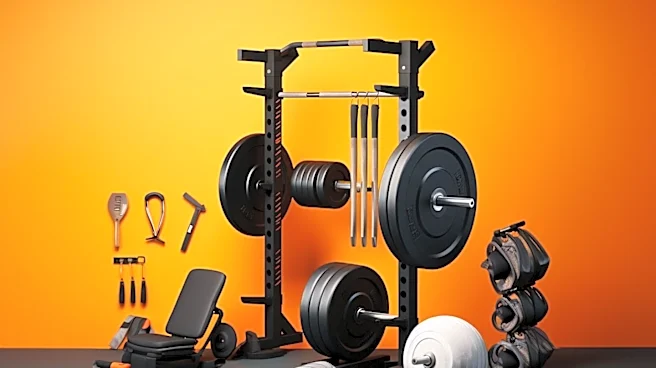
NIKE (NKE) has broadened its Nike Strength Pro Equipment offerings by introducing a customizable Power Rack ecosystem. These new installations have been deployed at several high-profile training centers across the U.S., including the Arthur M. Blank U.S. Soccer
National Training Center, USC's Bloom Football Performance Center, and the Kaiser Permanente Performance Center, which supports the Portland Fire and Portland Thorns. This expansion aims to provide tailored strength and conditioning equipment to elite athletes and teams. The rollout comes as NIKE's stock has experienced a significant decline, with shares down 9.5% over the past month and 39.3% year to date, and a 1-year total shareholder return falling 46.3%. Despite these market challenges, the company continues to focus on product innovation and strategic partnerships within the athletic performance sector. The move is part of NIKE's ongoing efforts to reset its product and wholesale strategies, alongside recent discussions about improving gross margins.
Why It's Important?
This strategic expansion by NIKE into customizable elite training equipment is important for several reasons. For the sports industry, it signifies a deeper integration of high-performance technology and personalized training solutions, potentially setting new standards for athletic development. By equipping top-tier facilities like the Arthur M. Blank U.S. Soccer National Training Center and USC's Bloom Football Performance Center, NIKE reinforces its brand presence among professional and collegiate athletes, which can influence broader consumer trends in athletic gear. For NIKE, this initiative could be a crucial component of its long-term strategy to regain market momentum and improve its financial performance, especially given its recent stock price struggles. Investing in specialized, high-end equipment for elite athletes can enhance the brand's reputation for innovation and quality, potentially attracting more customers to its broader product lines. This move also highlights the growing demand for advanced training tools that cater to the specific needs of athletes, indicating a shift towards more data-driven and customized approaches in sports conditioning.
What's Next?
Moving forward, the market will be watching to see if NIKE's investment in elite training equipment translates into improved financial performance and a reversal of its recent stock decline. The company's ability to leverage these high-profile installations for marketing and brand building will be key. Potential next steps include further expansion of the Nike Strength Pro Equipment line to other sports organizations and collegiate programs, both domestically and internationally. NIKE may also explore integrating these advanced training systems with its digital platforms and wearable technology to offer a more comprehensive athlete experience. The success of this initiative could influence NIKE's future product development and partnership strategies, potentially leading to more collaborations with sports science experts and training facilities. Investors will be looking for signs that these efforts are contributing to gross margin improvement and a refreshed wholesale strategy, as the company aims to address its fading long-term momentum.
Beyond the Headlines
Beyond the immediate financial implications, NIKE's focus on customizable elite training equipment reflects a broader trend in sports towards hyper-personalization and performance optimization. This development could lead to a more sophisticated understanding of athletic training, with data-driven insights informing equipment design and training methodologies. Ethically, it raises questions about equitable access to such advanced training tools, as these high-end systems are primarily available to elite athletes and well-funded institutions. Culturally, it reinforces the idea of sports as a science, where every advantage, no matter how small, is sought after. In the long term, this could drive innovation across the entire sports equipment industry, pushing competitors to develop their own advanced, customizable solutions. It also highlights the increasing convergence of technology, sports science, and consumer products, shaping the future of athletic performance and training.