




What's Happening?
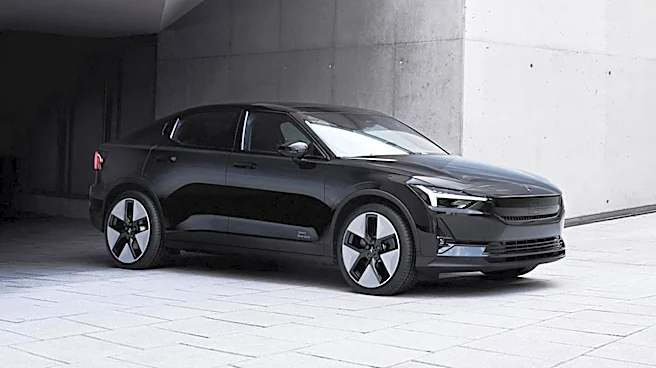
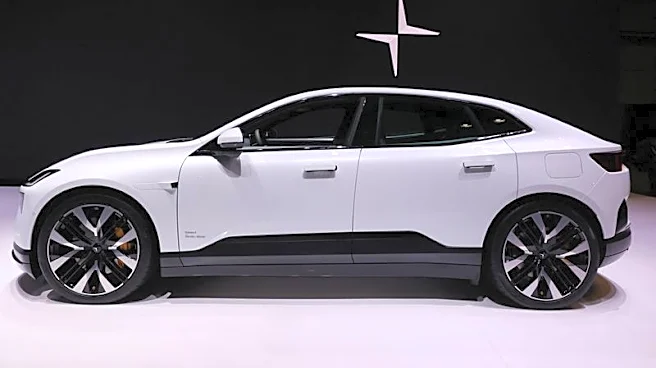
The 2027 Polestar 3, an electric vehicle, has been banned from sale in the United States due to the denial of a Connected Vehicle waiver by the federal government. This decision has left the Geely-owned brand, Polestar, in a challenging position as it had
consolidated global production of the Polestar 3 at Volvo's factory in South Carolina. The ban was reportedly unexpected, and there is speculation that the Polestar 3 could be rebranded as a Volvo product to circumvent the ban. Volvo, which shares ownership with Polestar under Geely, has been granted a waiver to continue selling its vehicles, including the electric EX90, in the U.S. The Polestar 3 shares key components with the EX90, suggesting a potential path for the vehicle to enter the U.S. market under the Volvo brand.
Why It's Important?
The ban on the Polestar 3 highlights the complexities and challenges faced by international automotive brands in navigating U.S. regulatory requirements. The potential rebranding of the Polestar 3 as a Volvo could have significant implications for the U.S. automotive market, particularly in the electric vehicle segment. It underscores the strategic maneuvers companies may employ to maintain market presence and protect investments in manufacturing infrastructure. The outcome of this situation could impact jobs at the South Carolina factory and influence consumer choice in the electric vehicle market. Additionally, it raises questions about the criteria and processes involved in granting waivers for connected vehicles, which could affect other manufacturers in the future.
What's Next?
If the Polestar 3 is rebranded as a Volvo, it could potentially enter the U.S. market by the 2028 model year. This would involve minimal changes to the vehicle, primarily the removal of Polestar branding. However, if this strategy is not pursued, Polestar may need to relocate production out of South Carolina, which could have economic implications for the region. The situation also awaits further clarification from Polestar and the federal agency regarding the reasons behind the waiver denial. Stakeholders, including employees at the manufacturing plant and potential consumers, are likely to closely monitor developments as they unfold.