






What's Happening?
TC Energy Corporation has finalized an agreement with CGL First Nations Limited Partnership (CGL FNLP), an Indigenous-led investment entity representing 12 First Nations along the Coastal GasLink (CGL) corridor. This agreement marks the second Indigenous investment in TC Energy's
interest in the CGL project. Through this transaction, participating Nations have acquired an economic interest in the entity holding TC Energy’s limited partner interest in CGL, expecting long-term predictable financial returns. This initiative is supported by a loan guarantee from the Canada Indigenous Loan Guarantee Program, administered by the Canada Indigenous Loan Guarantee Corporation (CILGC). The investment opportunity was extended to all 20 Indigenous communities with existing CGL agreements, with participation reflecting independent decisions by each Nation.
Why It's Important?
This development is significant for U.S. energy infrastructure companies and investors, as it showcases a model for Indigenous participation in major energy projects that could influence similar ventures across North America. The involvement of Indigenous communities as economic partners, rather than just stakeholders, can enhance project stability, reduce opposition, and foster long-term relationships. For U.S. companies operating or planning projects that cross Indigenous lands, this Canadian precedent highlights the potential benefits of inclusive economic reconciliation and shared ownership. It also demonstrates how government-backed loan guarantee programs can facilitate such partnerships, potentially de-risking investments and promoting social license for large-scale infrastructure development.
What's Next?
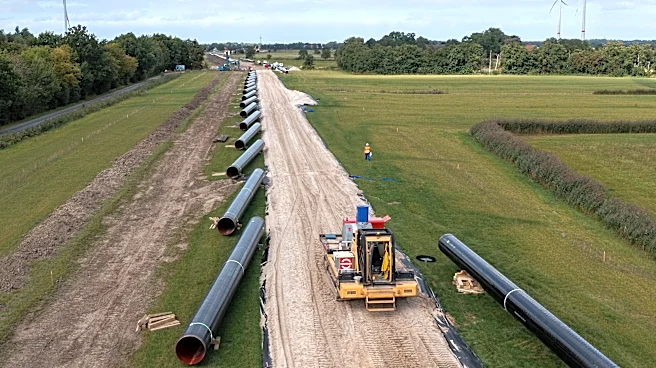
The participating First Nations are expected to benefit from stable, predictable returns, which will support future generations and strengthen their collective prosperity. This transaction builds on years of partnership and aims to create lasting value for communities connected to the CGL project. As the CGL pipeline safely delivers natural gas to LNG Canada for export, and with a planned Phase 2 to nearly double system capacity, the long-term economic benefits for these Indigenous communities are poised to grow. This model could be replicated in other major infrastructure projects, both in Canada and potentially influencing U.S. approaches to Indigenous engagement in energy development.
Beyond the Headlines
This agreement represents a deeper shift towards economic reconciliation and Indigenous self-determination in major infrastructure projects. Beyond financial returns, it signifies a move from consultation to genuine partnership and ownership, empowering Indigenous communities to shape their economic future. The involvement of the Canada Indigenous Loan Guarantee Program highlights a governmental commitment to facilitating Indigenous economic participation, which could inspire similar policy frameworks in the U.S. This approach not only addresses historical injustices but also creates a more resilient and socially acceptable framework for energy development, potentially reducing conflicts and fostering sustainable growth in the long run.