




What's Happening?
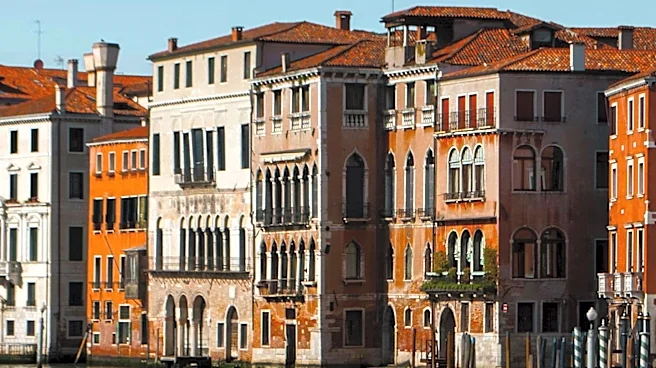
Venice is actively working to preserve its unique cultural identity by revitalizing traditional water professions and encouraging younger generations to learn these ancient skills. This initiative aims to maintain Venice's heritage as a floating city,
focusing on craftsmanship like boat building and lagoon management. The city's water heritage, developed over centuries, is fundamental to its culture, transport system, and tourism appeal. While Venice remains a top European destination, attracting millions annually, this success has also brought challenges, including pressure on its historic center and the decline of some traditional activities. UNESCO recognizes Venice and its Lagoon as a World Heritage property, emphasizing the exceptional relationship between human activity and the natural environment. The preservation efforts are not just about saving monuments but also about safeguarding the city's living culture and ensuring its distinctiveness from other global destinations. Younger Venetians are now finding innovative ways to keep these skills alive, adapting them to modern tourism demands and creating new opportunities for cultural tourism.
Why It's Important?
The preservation of Venice's traditional water professions is crucial for maintaining the city's authenticity and ensuring sustainable tourism. As global travelers increasingly seek authentic experiences beyond typical sightseeing, these traditional skills offer a unique connection to Venice's past and present. This shift in traveler behavior creates new opportunities for cultural tourism, allowing local artisans and heritage workshops to attract visitors looking for meaningful journeys. Protecting these professions also helps maintain employment opportunities for local residents, particularly younger generations, encouraging them to stay connected with their heritage and the lagoon. Economically, when travelers choose authentic experiences, more revenue remains within local communities, supporting boat builders, artisans, guides, and cultural operators. This approach fosters a tourism model that values local knowledge and cultural preservation, contributing to a more sustainable and equitable visitor economy for Venice.
What's Next?
The future of Venice's water professions hinges on continued support for cultural preservation, skills training, and responsible tourism development. Official heritage strategies will focus on maintaining the intricate relationship between the city, its lagoon environment, and its communities. Future tourism development is expected to balance visitor access with local quality of life, environmental protection, and cultural continuity. The growth of experience-based tourism may provide additional opportunities for artisans and heritage workers, integrating their skills into unique visitor offerings. Italian authorities and local institutions, including the Municipality of Venice, will continue to invest in protecting Venice's unique environment and cultural heritage through various management strategies, such as the Venice Access Fee system, aimed at managing visitor flow and preserving the city's cultural value. Travelers are encouraged to support local culture by choosing locally operated experiences, buying authentic artisan products, and respecting local rules.
Beyond the Headlines
Beyond the immediate economic and cultural benefits, the revival of Venice's water professions signifies a deeper commitment to preserving intangible heritage in the face of globalization and mass tourism. It highlights the ethical imperative to protect not just physical structures but also the living traditions and skills that define a community's identity. This initiative could serve as a model for other historic destinations grappling with similar challenges, demonstrating how cultural preservation can be integrated with sustainable economic development. The long-term shift could see Venice evolve into a leading example of how a city can manage high tourism demand while fostering a vibrant local culture, offering visitors a more profound and educational experience. This approach also addresses the broader issue of out-migration of residents from historic centers by creating viable economic opportunities rooted in traditional practices, thus ensuring the continuity of Venice's unique way of life.