


What's Happening?
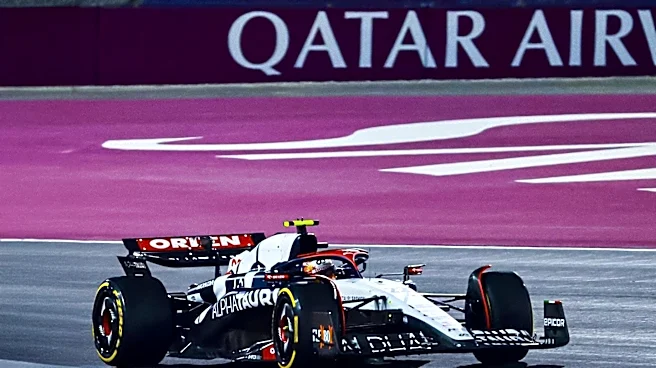
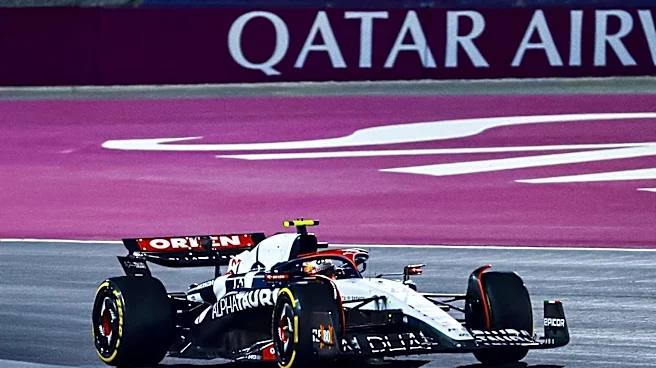
Racing Bulls CEO Peter Bayer has indicated that despite Liam Lawson's strong performance, including a P7 finish from a pit lane start at the Mexico City Grand Prix, his seat for the 2027 Formula One season is not guaranteed. Bayer acknowledged the paddock's
consensus that Lawson has performed well enough to retain his position. However, he emphasized the team's core mission as a 'leading developer of talent' in Formula One, highlighting their history of bringing new drivers into the sport, such as Sebastian Vettel and Max Verstappen. This strategy suggests that even established drivers within the team face continuous competition from emerging talents. Nikola Tsolov, who impressed during his FP1 debut in Mexico, is cited as a potential threat to Lawson's seat, with Bayer praising Tsolov's performance and integration into the team. The final decision rests with team principal Alan Permane.
Why It's Important?
This situation underscores the intense competitive environment within Formula One, particularly for teams like Racing Bulls, which serve as a development ground for the senior Red Bull team. The emphasis on continuously introducing new talent means that even drivers with strong results, like Lawson, must consistently prove their worth against a pipeline of promising young racers. This policy can create a high-pressure atmosphere for drivers, potentially impacting their long-term stability in the sport. For aspiring F1 drivers, it presents both an opportunity to enter the elite racing circuit and a challenge to maintain their position against a constant influx of new talent. The decision-making process also highlights the strategic balance teams must strike between nurturing existing talent and fulfilling their role in driver development for the broader Red Bull racing program.
What's Next?
The decision regarding Liam Lawson's 2027 seat will ultimately be made by Racing Bulls team principal Alan Permane. While Peter Bayer has acknowledged Lawson's strong performance and the general sentiment in the paddock, the team's commitment to developing new talent means that Nikola Tsolov remains a strong contender. Tsolov's impressive FP1 debut has positioned him as a viable option for the team. Lawson himself has stated that there are 'no assurances at the moment,' indicating the uncertainty surrounding his future. The team will continue to evaluate driver performances and development trajectories, with an announcement expected when Permane deems the time is right. This ongoing evaluation will likely involve monitoring the progress of both Lawson and Tsolov in their respective racing series and practice sessions.
Beyond the Headlines
The Racing Bulls' approach to driver selection reflects a broader philosophical tension in professional sports: balancing immediate performance with long-term talent development. While Lawson's on-track results speak for themselves, the team's mandate to cultivate future stars for the Red Bull ecosystem introduces a unique dynamic. This strategy can be seen as a double-edged sword; it provides a clear pathway for young drivers but also creates a highly fluid and potentially insecure environment for those already in a seat. The ethical implications of prioritizing development over consistent performance for a driver who has delivered strong results could be debated. It also raises questions about the psychological toll on drivers who are constantly under pressure to perform not just for their current team, but also to justify their place against a continuous stream of new talent.