
What's Happening?
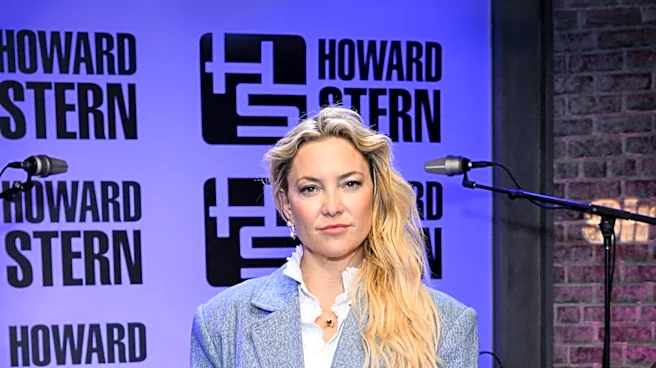
Howard Stern is experiencing significant backlash from his audience following reports of a reduced broadcast schedule and staff layoffs at his SiriusXM show. The changes include airing only one new three-hour
episode per week, a reduction from the previous schedule of multiple live shows weekly. This decision has led to dissatisfaction among subscribers, with some threatening to cancel their subscriptions, arguing that the reduced content does not justify the cost. The backlash is compounded by the recent layoffs of around a dozen employees, including notable contributors like Benjy Bronk and Jon Blitt. Despite the uproar, neither SiriusXM nor Stern has released data on the number of actual cancellations.
Why It's Important?
The controversy surrounding Howard Stern's show highlights the challenges faced by subscription-based media platforms in maintaining customer satisfaction amidst operational changes. For SiriusXM, the potential loss of subscribers could impact revenue and market position, especially if the backlash leads to a significant number of cancellations. For Stern, the situation underscores the delicate balance between personal work-life preferences and audience expectations. The decision to reduce the show's output, while providing Stern with more personal time, risks alienating a loyal fan base accustomed to more frequent content. This scenario serves as a case study in the broader media industry's struggle to adapt to changing consumer demands while managing operational costs.
What's Next?
The reduced schedule is set to begin after Labor Day, following the show's annual summer break. SiriusXM has yet to publicly address the format changes or the cancellation threats. The company and Stern may need to engage with their audience to mitigate dissatisfaction and prevent further subscription losses. Potential strategies could include offering additional content or incentives to retain subscribers. The situation also presents an opportunity for competitors to attract disenchanted SiriusXM customers, potentially reshaping the satellite radio market landscape.