






What's Happening?
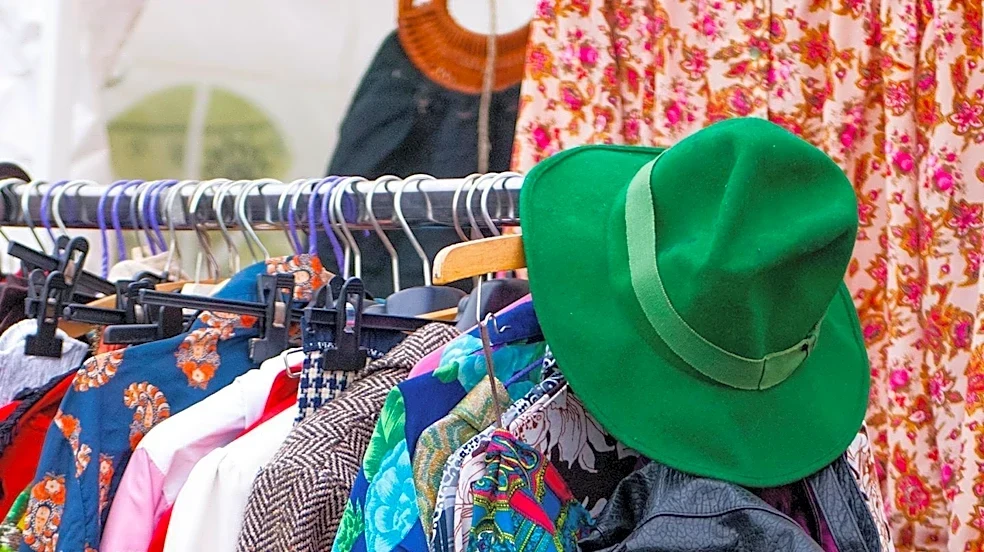
Thrifting and secondhand clothing have seen a significant surge in popularity, particularly among Gen Z, transforming from a stigmatized practice to a status symbol. This shift is largely attributed to the rise of platforms like Depop and Instagram thrift
pages, which facilitate the discovery of unique, one-of-a-kind items. Vintage pieces, such as quilts and cross-stitch designs, are highly sought after by Gen Z for their creative potential and adaptability into modern wearables and home decor. The trend also extends to a resurgence in repair and tailoring, as consumers increasingly opt to mend existing garments rather than purchase new ones. This movement away from fast fashion is driven by several factors, including rising living costs, the poor quality and short lifespan of fast fashion items, and increased awareness of the environmental impact of rapid consumption. Consumers are becoming more conscious of where their discarded clothes end up, with images of textile waste in places like Ghana and Chile circulating on social media, prompting a reevaluation of purchasing habits.
Why It's Important?
This growing preference for thrifting and secondhand items signifies a notable shift in consumer behavior, particularly among a key demographic like Gen Z. For the U.S. retail industry, this trend poses a direct challenge to the traditional fast fashion model, which has long relied on rapid production and low prices. The increased demand for durable, unique, and ethically sourced clothing could lead to a decline in sales for fast fashion retailers and a boost for consignment shops, online resale platforms, and local tailors. Economically, consumers are realizing that the perceived savings of cheap, disposable clothing are often negated by its short lifespan, making more durable, albeit initially pricier, secondhand items a more cost-effective choice in the long run. This also has significant environmental implications, as it encourages a more sustainable consumption cycle by extending the life of garments and reducing textile waste, which has been a major contributor to pollution and landfill accumulation. The emphasis on repair and tailoring also supports local businesses and traditional craftsmanship, fostering a more circular economy within the fashion sector.
What's Next?
The trajectory suggests a continued expansion of the secondhand market, with more consumers, especially younger generations, integrating thrifting into their regular shopping habits. This could lead to further innovation in resale platforms, potentially offering more sophisticated curation, authentication services, and personalized shopping experiences. Fast fashion brands may be compelled to adapt by improving product quality, adopting more sustainable practices, or even integrating resale models into their own operations to remain competitive. There could also be an increased focus on consumer education regarding the environmental and economic benefits of sustainable fashion choices, further solidifying the shift away from disposable clothing. The demand for unique vintage items and the revival of tailoring skills may also lead to new business opportunities for artisans and small businesses specializing in customization and repair. As awareness of the environmental impact of clothing production grows, regulatory bodies might also consider stricter guidelines for textile waste and production transparency, further influencing industry practices.
Beyond the Headlines
Beyond the immediate economic and environmental impacts, this trend reflects a deeper cultural shift towards conscious consumption and individuality. The embrace of secondhand clothing as a 'status symbol' challenges conventional notions of luxury and newness, suggesting that authenticity and uniqueness are becoming more valued than brand-new, mass-produced items. This movement also highlights a growing skepticism towards the marketing narratives of fast fashion, which often promote constant acquisition as a path to self-worth. Instead, consumers are finding empowerment in making deliberate choices that align with their values, such as sustainability and ethical production. The resurgence of repair and tailoring also signifies a return to valuing craftsmanship and longevity, fostering a more mindful relationship with possessions. This could lead to a broader re-evaluation of consumer culture, where the emphasis shifts from quantity to quality, and from fleeting trends to enduring style, ultimately influencing other consumer goods sectors to adopt more sustainable and ethical practices.