







What's Happening?
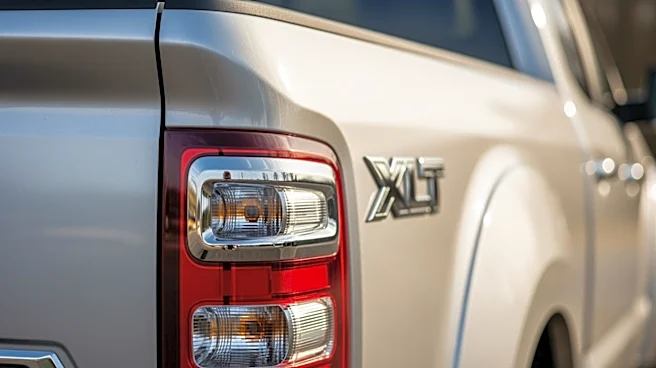
High gasoline prices are influencing consumer behavior in the automotive market, with buyers increasingly moving away from purchasing expensive trucks and SUVs. This trend was highlighted by a General Motors (GM) executive, who noted that the shift is occurring
faster than anticipated. The rising fuel costs are prompting consumers to reconsider their vehicle choices, opting for more fuel-efficient options. This change in consumer preference is impacting the sales strategies of automakers, who are now focusing on promoting vehicles that offer better fuel economy.
Why It's Important?
The shift in consumer preferences due to high gas prices has significant implications for the automotive industry. Automakers may need to adjust their production and marketing strategies to align with the changing demand for more fuel-efficient vehicles. This could lead to increased investment in the development of hybrid and electric vehicles, as well as a reevaluation of the product mix offered by manufacturers. The trend also highlights the broader economic impact of fluctuating fuel prices on consumer behavior and the automotive market, potentially affecting sales volumes and profit margins for companies heavily reliant on truck and SUV sales.
What's Next?
As consumers continue to prioritize fuel efficiency, automakers are likely to accelerate their efforts in developing and promoting alternative fuel vehicles. This may include expanding their electric vehicle (EV) lineups and investing in new technologies to improve fuel economy across their fleets. Additionally, companies may explore strategic partnerships and collaborations to enhance their capabilities in the EV market. The industry will also need to monitor fuel price trends closely to anticipate further shifts in consumer preferences and adjust their strategies accordingly.