








What's Happening?
The integration of artificial intelligence (AI) in business operations has led to a significant reduction in middle management roles, as companies seek to streamline processes and cut costs. In 2025, Amazon laid off 14,000 middle managers, highlighting
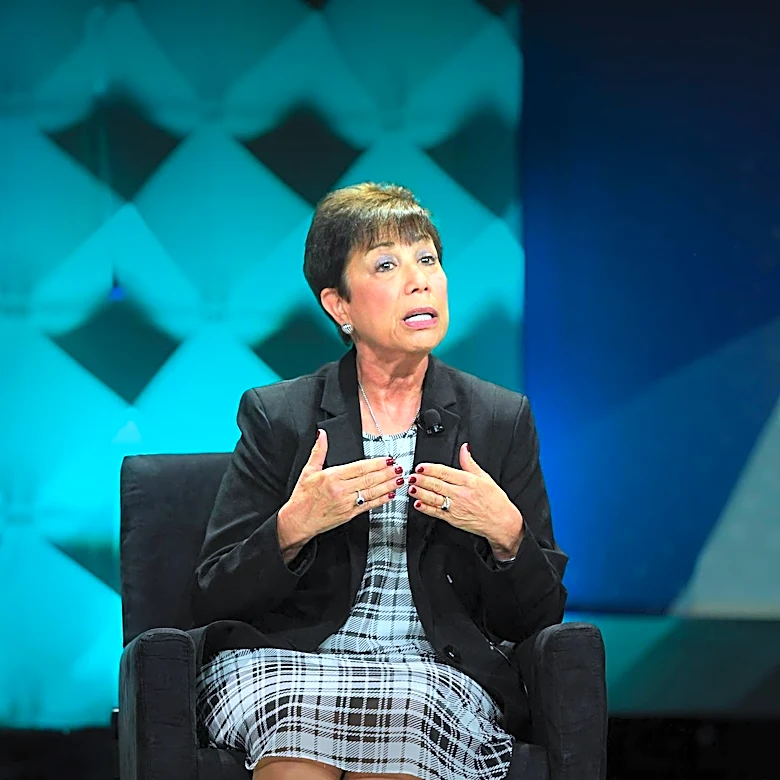
a trend where AI is increasingly used to perform tasks traditionally handled by these managers. Dr. Shannon Franklin, a psychologist specializing in workplace wellbeing, notes that middle managers play a crucial role in interpreting organizational changes and maintaining employee morale. The removal of this layer can lead to a breakdown in communication and trust within the workplace, as employees may become less inclined to share ideas or concerns. Despite the efficiency gains AI offers, there is concern that it may come at the cost of employee engagement and adaptability.
Why It's Important?
The shift towards AI-driven management processes has significant implications for the workforce and organizational dynamics. While companies may benefit from increased efficiency and reduced costs, the loss of middle management could negatively impact employee morale and engagement. Middle managers often serve as a bridge between senior leadership and employees, facilitating communication and addressing concerns before they escalate. Without this intermediary, companies risk creating a work environment where employees feel disconnected and less valued. This could lead to decreased innovation and a less resilient workforce, ultimately affecting a company's long-term success. The trend also raises questions about the future of work and the skills that will be valued in an AI-dominated landscape.
What's Next?
As AI continues to evolve, companies will need to find a balance between leveraging technology and maintaining a healthy workplace culture. There may be a need to redefine the role of middle management, focusing on skills that AI cannot replicate, such as emotional intelligence and conflict resolution. Organizations might also invest in training programs to enhance AI fluency among employees, ensuring they can effectively collaborate with AI tools. The future of middle management will likely involve a hybrid approach, where human skills complement AI capabilities, fostering a more adaptive and innovative work environment.
Beyond the Headlines
The reduction of middle management due to AI adoption also raises ethical considerations about the role of technology in the workplace. Companies must consider the human cost of automation and the potential for increased inequality if certain roles are disproportionately affected. There is also a cultural dimension to consider, as the traditional hierarchical structure of organizations may shift, leading to changes in how authority and responsibility are perceived. As businesses navigate these changes, they will need to address the potential for job displacement and ensure that employees are supported through transitions, both in terms of skills development and mental health resources.